Oil Inside Gulf Crabs May Be Shed | National Geographic
TL;DR
Researchers study how the Gulf oil spill affected blue crab populations to assess long-term impacts.
Transcript
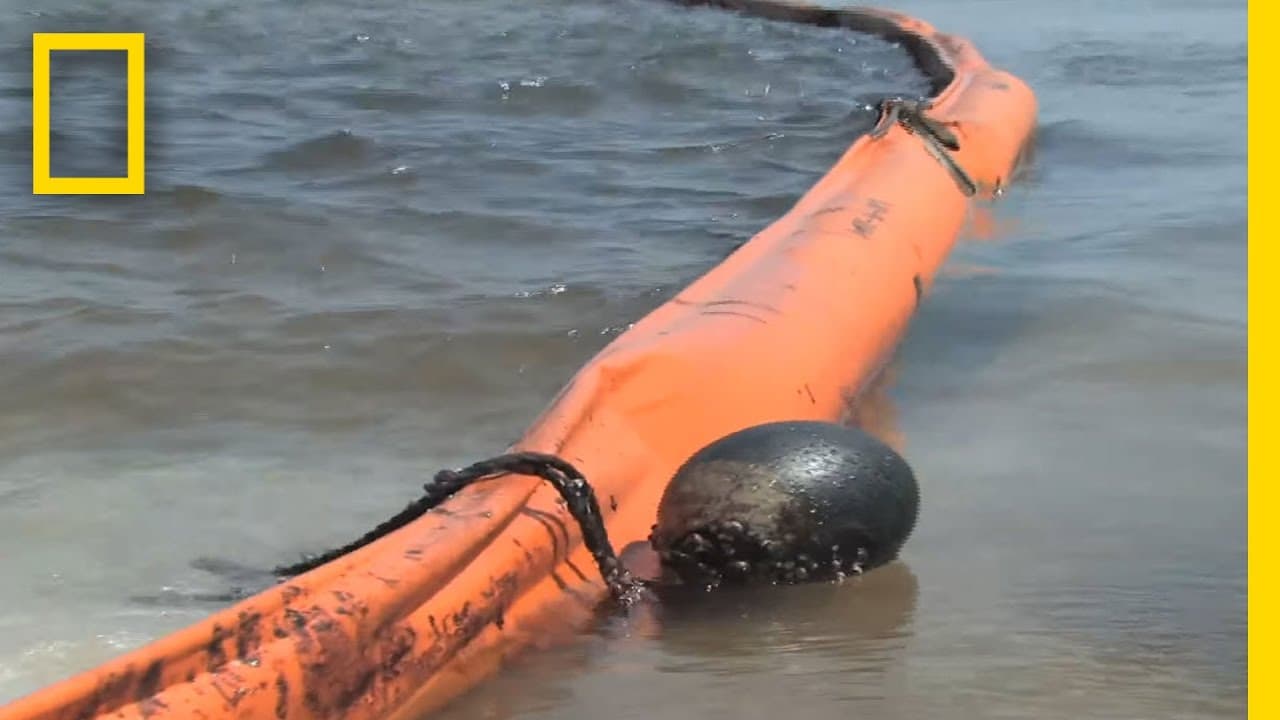
over 87 days the ruptured bp well spewed more than 200 million gallons of oil into the gulf of mexico that's according to government estimates but the true extent may never be known throughout the disaster most resources went to plugging the leak and cleaning up oil and from the start scientists have been gathering data on the spill's effects on an... Read More
Key Insights
- 💙 Blue crabs are vital as keystone species in the Gulf ecosystem, serving as crucial predators and prey.
- 🛢️ Impact assessments after the Gulf oil spill include monitoring larval crabs for oil exposure effects.
- 🧑🔬 Scientists expect long-term effects from the oil spill on Gulf wildlife that may take years to manifest.
- 💙 Blue crab populations are being closely monitored and compared to previous years to determine the spill's impact.
- 💙 Oil exposure during larval stages poses significant risks to blue crabs, affecting development and survival.
- 🦺 Gulf seafood deemed safe for human consumption, but the safety of Gulf animals remains uncertain.
- 💙 Researchers run experiments to observe how oil exposure affects the development of blue crabs.
Install to Summarize YouTube Videos and Get Transcripts
Explore YouTube Video Summarizer or Get YouTube Transcript Extractor
Questions & Answers
Q: How are scientists studying the effects of the Gulf oil spill on blue crabs?
Scientists are collecting blue crabs along Mississippi's coast, analyzing larval crabs for oil exposure, and comparing population trends over years to assess impacts accurately.
Q: Why are blue crabs considered a keystone species in the Gulf ecosystem?
Blue crabs play vital roles as predators controlling populations and as prey for other species, making them crucial for ecosystem balance and health.
Q: What long-term risks do blue crabs face due to the oil spill?
Blue crabs, especially during larval stages, face risks of oil exposure affecting development and survival, as they spawn near oil-impacted areas in the Gulf.
Q: How is the study of blue crabs funded and coordinated?
The study on blue crabs post-Gulf oil spill is funded by the National Science Foundation and coordinated through the University of Southern Mississippi to ensure comprehensive and ongoing research efforts.
Summary & Key Takeaways
-
Scientists monitor blue crab populations in the Gulf to assess the impact of the 200 million-gallon oil spill.
-
Blue crabs are crucial in the Gulf ecosystem as predators and prey, making them a key species.
-
Researchers observe larval crabs for oil exposure effects and monitor population trends post-spill.
Read in Other Languages (beta)
Share This Summary 📚
Summarize YouTube Videos and Get Video Transcripts with 1-Click
Try YouTube Summary with ChatGPT & Claude or YouTube Transcript Generator
Explore More Summaries from National Geographic 📚



Summarize YouTube Videos and Get Video Transcripts with 1-Click
Try YouTube Summary with ChatGPT & Claude or YouTube Transcript Generator