How to Warm Up for Optimal Muscle Growth
TL;DR
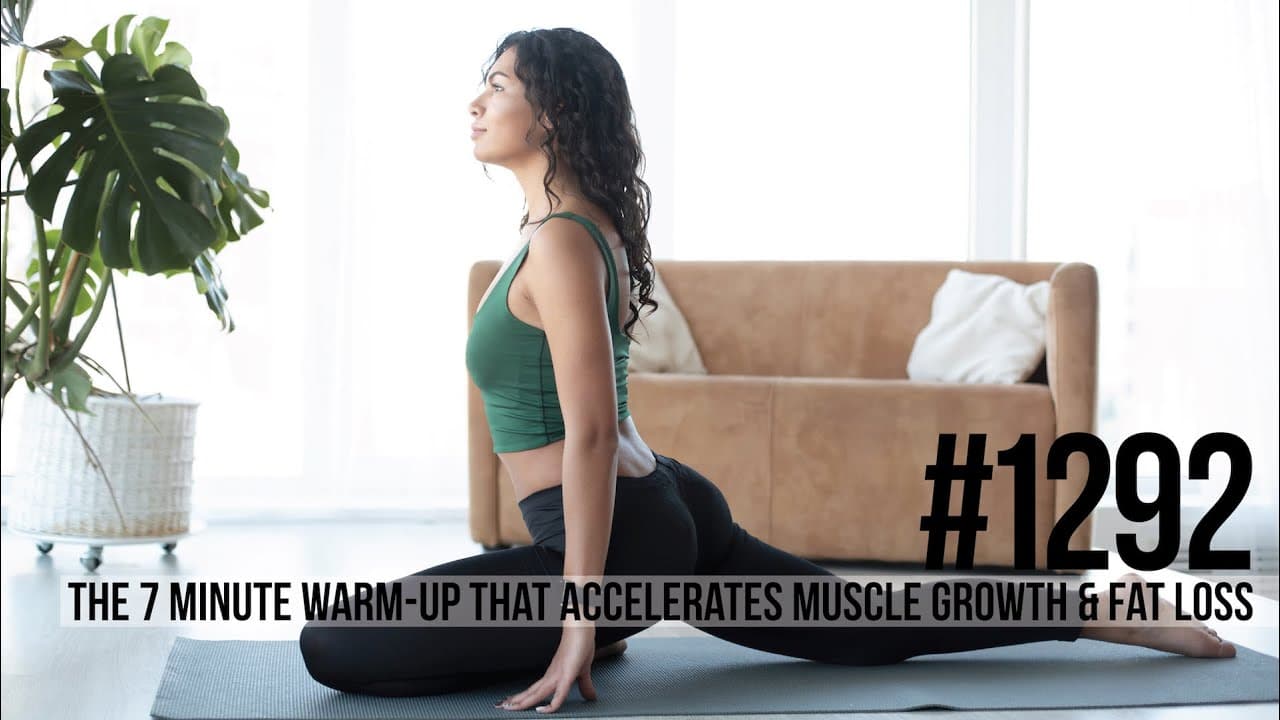
A proper warm-up does more than reduce injury risk; it enhances workout effectiveness by improving muscle growth and fat loss. By applying the right movements, you can activate more muscle fibers and achieve better range of motion. A seven to ten-minute targeted warm-up, or priming session, can significantly boost your workout results.
Transcript
in this episode of mind pump your favorite fitness health and entertainment podcast we talk about a portion of your workout that you're probably neglecting we're talking about the warm-up now a lot of people warm up because they think it reduces risk of injury that's true but that's the minimum that a good proper warm-up can do for you most people ... Read More
Key Insights
- A proper warm-up enhances workout effectiveness beyond just reducing injury risk.
- Priming involves targeted movements that activate specific muscle groups.
- Static stretching before workouts can increase injury risk and decrease performance.
- Priming should be individualized based on self-assessment of movement patterns.
- A seven to ten-minute priming session can improve muscle growth and fat loss.
- Post-workout priming includes static stretching and foam rolling for recovery.
- Correctional exercises can address poor movement patterns and enhance results.
- Priming and post-priming routines are crucial for maximizing workout benefits.
Install to Summarize YouTube Videos and Get Transcripts
Explore YouTube Video Summarizer or Get YouTube Transcript Extractor
Questions & Answers
Q: How to properly warm up for a workout?
A proper warm-up, or priming session, involves performing targeted movements that activate specific muscle groups based on individual needs. It should last seven to ten minutes and aim to improve range of motion and muscle fiber activation, enhancing workout effectiveness.
Q: What are the benefits of a proper warm-up?
A proper warm-up reduces injury risk, enhances workout effectiveness, improves muscle growth, and accelerates fat loss. It achieves this by activating more muscle fibers, improving range of motion, and ensuring better control over movements during exercise.
Q: Why is static stretching before a workout not recommended?
Static stretching before a workout can send the wrong signal to the central nervous system, leading to increased injury risk and decreased performance. It relaxes muscles too much, reducing stability and strength needed for explosive movements.
Q: What is the difference between priming and warming up?
Priming is a targeted, individualized warm-up that activates specific muscle groups to enhance workout effectiveness. Traditional warming up often involves static stretching or general exercises like treadmill walking, which may not address individual movement pattern issues.
Q: How can I individualize my warm-up?
Individualizing your warm-up involves self-assessment to identify movement pattern issues. Once identified, select specific movements that activate and correct these areas. This ensures your warm-up is tailored to your body’s needs, optimizing workout results.
Q: What should a post-workout routine include?
A post-workout routine should include static stretching and foam rolling to aid recovery and promote relaxation of the central nervous system. This helps in reducing muscle tightness, enhancing recovery, and preparing the body for the next workout.
Q: How often should I perform correctional exercises?
Correctional exercises should be performed regularly, ideally daily, especially if you have significant movement pattern issues. Incorporating them into your routine can expedite improvements and enhance overall workout effectiveness by addressing specific weaknesses.
Q: What is the importance of priming before a workout?
Priming before a workout is crucial as it activates specific muscle groups, enhances range of motion, and improves muscle fiber recruitment. This leads to better performance, increased muscle growth, and accelerated fat loss, making your workout more effective.
Summary & Key Takeaways
-
Proper warm-ups, or priming, do more than prevent injuries; they enhance workout effectiveness by improving muscle growth and fat loss through targeted movements. A seven to ten-minute session can activate more muscle fibers and improve range of motion.
-
Static stretching before workouts can be detrimental, increasing injury risk and decreasing performance. Priming should be individualized, based on self-assessment, to address specific movement pattern issues.
-
Post-workout routines, including static stretching and foam rolling, aid recovery and improve results. Correctional exercises can further address poor movement patterns, enhancing workout benefits.
Read in Other Languages (beta)
Share This Summary 📚
Summarize YouTube Videos and Get Video Transcripts with 1-Click
Try YouTube Summary with ChatGPT & Claude or YouTube Transcript Generator
Explore More Summaries from Mind Pump Show 📚



Summarize YouTube Videos and Get Video Transcripts with 1-Click
Try YouTube Summary with ChatGPT & Claude or YouTube Transcript Generator