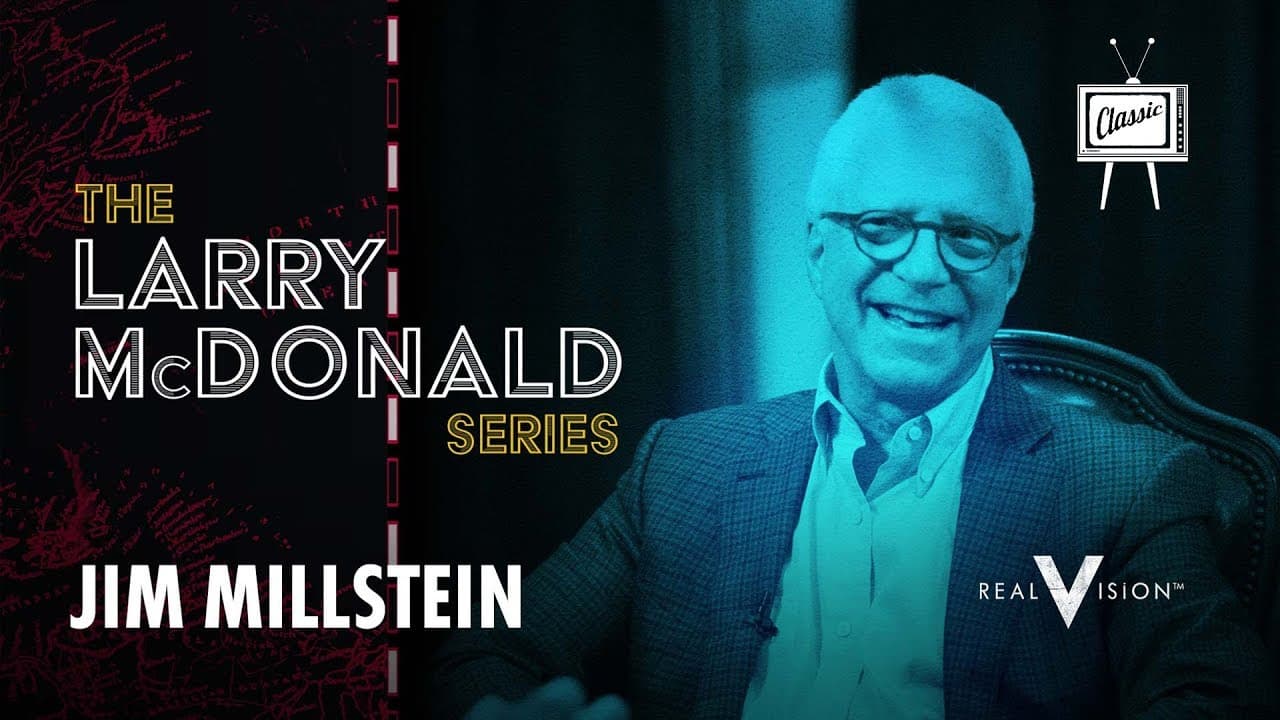
The Man Who Saved AIG (w/ Jim Millstein)
TL;DR
Jim Millstein emphasizes the importance of cash flow and criticizes the focus on adjusted EBITDA and net income. He discusses the complexity of Fannie and Freddie's role in the mortgage market and the challenges of ending their conservatorship. He also addresses the potential impact of expanding the credit box and the concerns surrounding growing government debt.
Transcript
JIM MILLSTEIN: The most important thing is cash flow. Forget about adjusted EBITDA, forget about the net income. Look at the cash flow statement. Of the 535 members of the Senate and the House, if you asked each of them, what is Fannie and Freddie, maybe 100 of them could answer that question. Donald Trump said when he was running for president ... Read More
Key Insights
- 🧑⚕️ Cash flow is the most critical aspect to consider for assessing financial health, while adjusted EBITDA and net income are less important.
- ❤️🩹 The complexity of Fannie and Freddie's role in the mortgage market has posed challenges in ending their conservatorship.
- 🍱 Expanding the credit box may not be feasible under the current leadership at the Federal Housing Finance Agency.
- 🥺 The growing government debt and deficit pose concerns for the economy and may lead to inflation or higher interest rates in the future.
Install to Summarize YouTube Videos and Get Transcripts
Explore YouTube Video Summarizer or Get YouTube Transcript Extractor
Questions & Answers
Q: What are Jim Millstein's views on the importance of cash flow?
Jim Millstein believes that cash flow is the most crucial factor to consider, emphasizing its significance over adjusted EBITDA and net income as measures of financial health. He suggests that companies should focus on generating cash rather than relying on financial engineering to maintain their balance sheets.
Q: How does Jim Millstein characterize the role of Fannie and Freddie in the mortgage market?
Millstein describes Fannie and Freddie's role as supporting the primary mortgage market by guaranteeing mortgage-backed securities and providing liquidity to the mortgage market. He acknowledges the complexity of their operations, which involve pooling and guaranteeing loans to facilitate investment in mortgages.
Q: What challenges are associated with ending the conservatorship of Fannie and Freddie?
Jim Millstein explains that ending the conservatorship of Fannie and Freddie is complex due to the ideological differences between Republicans and Democrats regarding the government's role in the mortgage market. Additionally, the lack of awareness among lawmakers about Fannie and Freddie complicates efforts to address their future.
Q: What concerns does Jim Millstein raise about expanding the credit box?
Millstein doubts that expanding the credit box, which allows lower-credit borrowers, would be supported by the current executive director of the Federal Housing Finance Agency, Mark Calabria. Millstein suggests that shrinking Fannie and Freddie may align better with Calabria's views, making it challenging to raise equity from third-party investors.
Summary & Key Takeaways
-
Jim Millstein emphasizes the significance of cash flow over adjusted EBITDA and net income as a measure of financial health.
-
He highlights the complexity of Fannie and Freddie's role in the mortgage market and the challenges of ending their conservatorship.
-
Millstein discusses the potential impact of expanding the credit box and the concerns associated with growing government debt.
Read in Other Languages (beta)
Share This Summary 📚
Summarize YouTube Videos and Get Video Transcripts with 1-Click
Try YouTube Summary with ChatGPT & Claude or YouTube Transcript Generator
Explore More Summaries from Real Vision 📚


Summarize YouTube Videos and Get Video Transcripts with 1-Click
Try YouTube Summary with ChatGPT & Claude or YouTube Transcript Generator