Before We Had the Right to Vote, We Had the Right to Protest | Wesley Lowery | Big Think
TL;DR
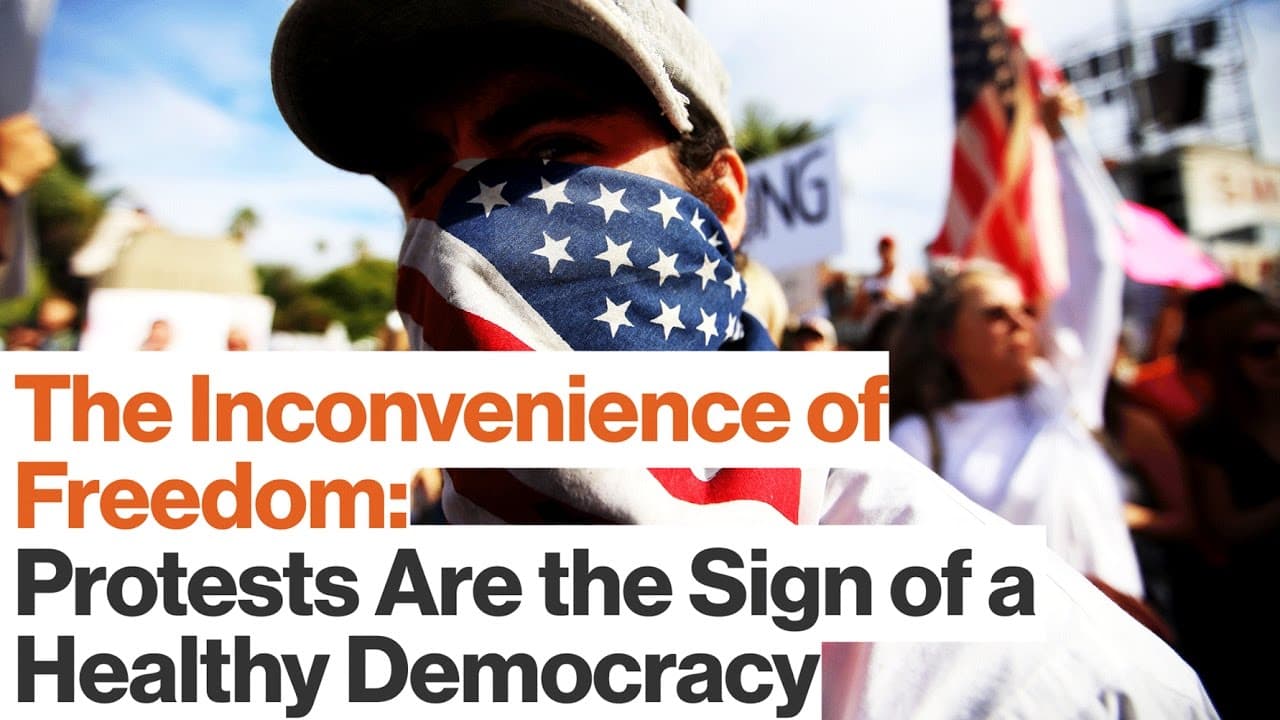
Protests are crucial for democracy, amplifying voices and creating change through community activism.
Transcript
You know I think that what’s interesting is that at times of tumult in the United States of America, the 50s and 60s, now. You see candidacies often to the center, right. But sometimes of either part who come out on this kind of law and order platform, this idea that we need to regain control of what’s happening or things will become chaos, right. ... Read More
Key Insights
- 😒 Candidates often use promises of law and order to appeal to those fearful of unrest.
- 🛟 Protests serve as a means of community activism and amplifying voices when traditional avenues fail.
- 🗯️ The First Amendment enshrines the right to protest, symbolizing the power of collective voices in democracy.
- 🥺 Successful protests can lead to policy changes and shifts in public discourse.
- 💱 The role of protest in democracy is to amplify voices and create pressure for change.
- 🥺 Community activism and organization can stem from protests, leading to long-term impact.
- ✊ Protests serve to challenge systems of power and provide a platform for those who feel unheard.
Install to Summarize YouTube Videos and Get Transcripts
Explore YouTube Video Summarizer or Get YouTube Transcript Extractor
Questions & Answers
Q: Why do candidates often promise law and order during times of unrest?
Candidates often promise law and order to capitalize on fears of chaos and unrest, appealing to those uncomfortable with protests and seeking a return to perceived stability.
Q: How does protest serve democracy beyond just raising voices?
Protests serve to amplify messages and create community activism, driving long-term change by putting pressure on the government and fostering collective action.
Q: Why is protest seen as a foundational right in democracy?
Protest is enshrined in the First Amendment as a means of petitioning the government when traditional avenues fail, symbolizing the power of collective voices to effect change.
Q: How do protests impact local and national politics?
Protests can pressure officials to take action, with successful protests leading to policy changes and a shift in public discourse on critical issues.
Summary & Key Takeaways
-
Many times of turmoil in history have seen candidates promising law and order, capitalizing on fear of unrest.
-
Protests serve to amplify voices when traditional democratic avenues fail, creating community activism and pressure for change.
-
The right to protest is foundational in democracy, serving as a means of petitioning the government.
Read in Other Languages (beta)
Share This Summary 📚
Summarize YouTube Videos and Get Video Transcripts with 1-Click
Try YouTube Summary with ChatGPT & Claude or YouTube Transcript Generator
Explore More Summaries from Big Think 📚






Summarize YouTube Videos and Get Video Transcripts with 1-Click
Try YouTube Summary with ChatGPT & Claude or YouTube Transcript Generator