Holy Cats! Jerusalem's Strays and Their Unsung Guardian | National Geographic

TL;DR
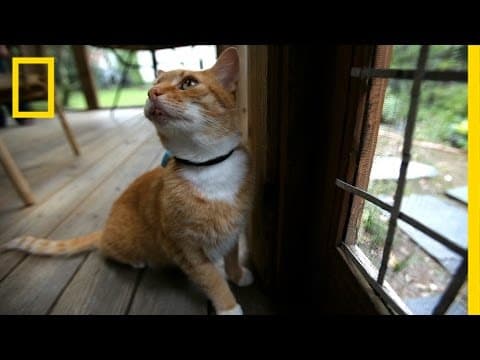
A dedicated individual cares for stray cats in Jerusalem, emphasizing the need for spaying and neutering.
Transcript
it's so sad to see kitten suffering and dying in the streets that I cannot stand it it will affect my mental health I can't pass by kitten on the street and not rescue it because I know it's going to have a horrible life until it dies holyland cats that walked in the footsteps at the kings and prophets of Israel it's a bit of a surprise for everyon... Read More
Key Insights
- 😺 Stray cat populations exist in Jerusalem and other Mediterranean regions due to favorable weather conditions.
- 😺 Spaying and neutering are essential to prevent overpopulation and health issues among stray cats.
- 👥 Different cultural and religious groups in Jerusalem have varying levels of involvement in animal welfare.
- 😨 Compassionate individuals play a vital role in caring for and feeding stray cats, emphasizing the need for community efforts.
- 🎓 Creating awareness and education about the importance of animal welfare can lead to positive changes in managing stray cat populations.
- 🪡 Religious teachings, such as those of Rabbi Samson Raphael Hirsch, advocate for rescuing and supporting animals in need.
- 😨 Cultural attitudes towards animals impact how individuals interact with and care for stray cats in Jerusalem.
Install to Summarize YouTube Videos and Get Transcripts
Explore YouTube Video Summarizer or Get YouTube Transcript Extractor
Questions & Answers
Q: How does the individual attract stray cats for feeding?
The individual uses a specific sound to call the cats for food, teaching them to associate the sound with mealtime and establishing recognition.
Q: How do different groups in Jerusalem view stray cats?
Non-religious Western Jews are more active in animal welfare, while some religious groups have less experience and fear animals, leading to less involvement.
Q: Why is spaying and neutering crucial for managing the stray cat population?
Without spaying and neutering, stray cats continue to reproduce, leading to overpopulation, health issues, starvation, and death from lack of resources.
Q: How does cultural background impact attitudes towards animal welfare?
Cultural beliefs and experiences shape perceptions of animal welfare, influencing the level of involvement in caring for stray animals like cats.
Summary & Key Takeaways
-
A compassionate person in Jerusalem feeds and cares for numerous stray cats daily.
-
The individual emphasizes the importance of spaying and neutering to manage the stray cat population.
-
Cultural and religious attitudes towards animal welfare in Jerusalem vary, with some groups more involved than others.
Read in Other Languages (beta)
Share This Summary 📚
Summarize YouTube Videos and Get Video Transcripts with 1-Click
Try YouTube Summary with ChatGPT & Claude or YouTube Transcript Generator
Explore More Summaries from National Geographic 📚



Summarize YouTube Videos and Get Video Transcripts with 1-Click
Try YouTube Summary with ChatGPT & Claude or YouTube Transcript Generator