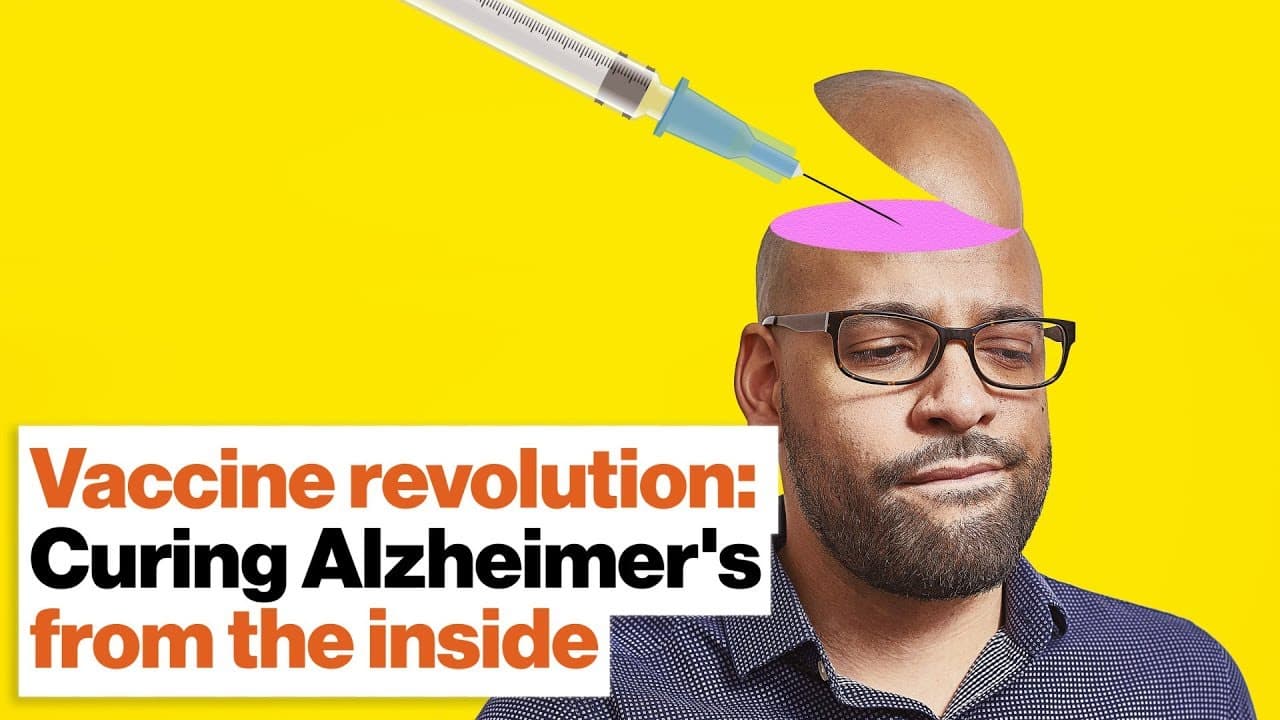
Vaccine revolution: Curing Alzheimer's from the inside | Lou Reese | Big Think
TL;DR
Innovative vaccines target internal chronic illnesses, like Alzheimer's, promising longevity and quality of life improvements.
Transcript
humanity has always been propelled by a dramatic innovation you know in in the 20s and 30s we knew that we would run out of food by the 70s we invented a nitrogen phosphorus potassium based fertilizer and that created the Green Revolution that now can feed everybody on the planet these are always solutions that create like that are driven by an unb... Read More
Key Insights
- 😋 The Green Revolution's impact on food security mirrors the potential for innovative vaccine solutions in healthcare.
- 🉐 Chronic illnesses like Alzheimer's and drug-related deaths challenge longevity gains, spurring vaccine development.
- 🤞 Vaccines have historically improved quality of life and longevity, offering hope for addressing chronic illnesses.
- 🎯 Targeting internal threats like chronic illnesses with vaccines requires overcoming autoimmune challenges.
- ❓ Collaboration and diverse expertise are essential in tackling major healthcare challenges effectively.
- 🛟 Innovative vaccine technologies offer promising solutions for addressing chronic illnesses and improving quality of life.
- 👨🎨 Addressing the opioid epidemic with non-opioid pain alternatives highlights the importance of safer treatment options.
Install to Summarize YouTube Videos and Get Transcripts
Explore YouTube Video Summarizer or Get YouTube Transcript Extractor
Questions & Answers
Q: How have past innovations like the Green Revolution influenced current vaccine research?
The Green Revolution's success in feeding the world highlighted the impact of human ingenuity in solving global challenges. This historical perspective motivates scientists to use innovative solutions for chronic illnesses like Alzheimer's.
Q: What challenges do vaccines face when targeting internal threats like chronic illnesses?
Vaccines traditionally combat external threats like viruses, but targeting internal, self-generated proteins poses challenges. The body's self-tolerance mechanisms can lead to autoimmune reactions, requiring careful development to avoid adverse effects.
Q: How does the development of non-opioid pain alternatives impact healthcare?
Amid the opioid epidemic, non-opioid pain alternatives offer safer treatment options. By reducing reliance on opioids, these innovations address pain management while minimizing the risks of addiction and overdose.
Q: Why is collaboration and a diverse ecosystem crucial in tackling major healthcare challenges?
The complexity of healthcare issues, like chronic illness, demands a collaborative approach involving various stakeholders. A diverse ecosystem of companies, researchers, and healthcare providers facilitates comprehensive solutions and accelerates progress.
Summary & Key Takeaways
-
Humanity's history of innovation led to solutions like the Green Revolution, now targeted at chronic illnesses.
-
Alzheimer's and drug overdoses/suicides reduce longevity, sparking vaccine research for these internal threats.
-
Vaccines have historically extended human life; new vaccine tech targets chronic illnesses for a brighter future.
Read in Other Languages (beta)
Share This Summary 📚
Summarize YouTube Videos and Get Video Transcripts with 1-Click
Try YouTube Summary with ChatGPT & Claude or YouTube Transcript Generator
Explore More Summaries from Big Think 📚





Summarize YouTube Videos and Get Video Transcripts with 1-Click
Try YouTube Summary with ChatGPT & Claude or YouTube Transcript Generator