Why Advocate for a One-State Solution in Israel?
TL;DR
A one-state solution is proposed as a more viable and just resolution to the Israeli-Palestinian conflict than the two-state solution. The two-state approach is seen as impractical and unjust, reflecting power imbalances rather than true equality. A shift towards a democratic regime from the river to the sea is suggested to ensure equality and transitional justice.
Transcript
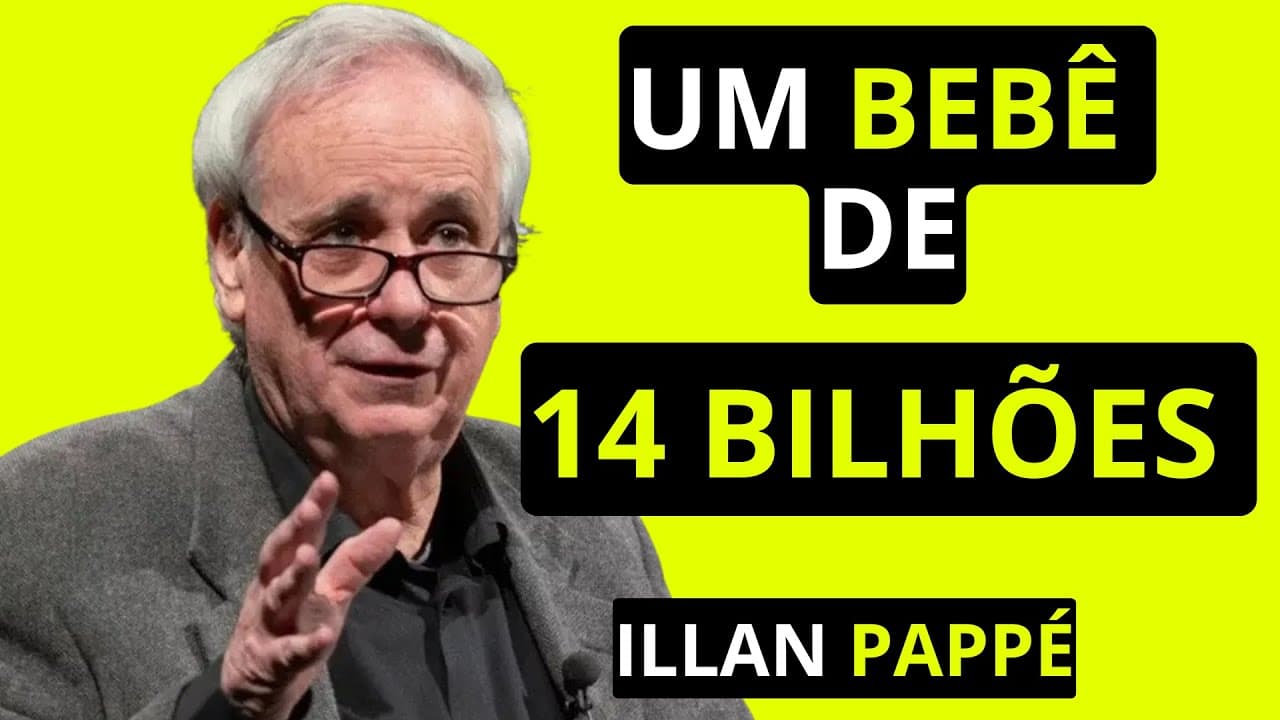
In your view, what would a just and lasting resolution to the Israeli Palestinian conflict look like? Why do you advocate a one-state solution? Yes. I think that the two-state solution is not working for two reasons. First of all, now in 2025, it's impractical. We have 800,000 Jewish settle Jewish settlers in uh the West Bank and they don't live in... Read More
Key Insights
- The two-state solution is impractical due to extensive Jewish settlements in the West Bank.
- A two-state solution only addresses part of historical Palestine and part of the Palestinian people.
- The current power balance favors a solution that does not equate to a real state for Palestinians.
- Justice and equality for Palestinians require a democratic state from the river to the sea.
- Regime change is deemed more feasible than creating new states, with historical precedents supporting this view.
- External pressure, such as sanctions and boycotts, is necessary to halt what is described as genocide.
- The economic crisis in Israel and changing global perspectives could influence future political dynamics.
- The BDS movement is supported as a means to apply international pressure on Israel.
Install to Summarize YouTube Videos and Get Transcripts
Explore YouTube Video Summarizer or Get YouTube Transcript Extractor
Questions & Answers
Q: Why is a two-state solution considered impractical?
A two-state solution is seen as impractical because of the extensive Jewish settlements in the West Bank, which make up 60% of the territory. This leaves insufficient land for a viable Palestinian state. Additionally, the solution does not address the needs of all Palestinians or reflect historical Palestine's full scope, making it a paper solution rather than a real state.
Q: What is the proposed alternative to the two-state solution?
The alternative proposed is a one-state solution with a democratic regime extending from the river to the sea. This approach aims to ensure equality and justice for all inhabitants, including Palestinians. It is seen as more practical and just, focusing on regime change rather than creating new states, drawing on historical examples like South Africa.
Q: How does the current situation reflect a one-state reality?
The current situation in Israel and Palestine reflects a one-state reality because the territory functions as a single state with a non-democratic regime. This regime does not provide equality for Palestinians, and the existing power dynamics and settlements make the two-state solution unfeasible. The focus is on changing this regime to ensure justice and equality.
Q: What role does international pressure play in resolving the conflict?
International pressure is critical in resolving the conflict, particularly through sanctions and boycotts. The BDS movement is cited as a means to apply this pressure. The video argues that Europe, in particular, has the power to influence change by altering its special relationship with Israel, even if the United States is unwilling to do so.
Q: How is the Israeli economic crisis influencing the conflict?
The Israeli economic crisis is deepening, making the country increasingly dependent on American financial support, which has grown significantly. This economic vulnerability could influence political dynamics, as even right-wing American factions are hesitant to continue such high levels of financial aid. This situation could lead to shifts in how the conflict is addressed.
Q: What is the stance on Israel's right to exist as a Jewish state?
The video challenges the notion of a state's right to exist, focusing instead on the legitimacy of regimes. It argues that Israel's current regime, characterized as non-democratic and colonialist, should change. A Jewish state, in this context, should not oppress or expel Palestinians but rather integrate them as equals, differing from current policies.
Q: How do historical precedents support regime change?
Historical precedents support regime change as a viable path, with examples like post-apartheid South Africa illustrating how regimes can transition to more democratic systems. The video suggests that regime change is more feasible than creating new states, as it has occurred throughout history and can be influenced by international and internal pressures.
Q: What is the significance of the BDS movement in this context?
The BDS movement is significant as it represents a strategy to exert international pressure on Israel to change its policies and regime. By advocating for boycott, divestment, and sanctions, the movement aims to halt what is described as genocide and push for a just resolution. The video emphasizes the potential impact of such external pressure, particularly from Europe.
Summary & Key Takeaways
-
A one-state solution is proposed as the best path forward, as the two-state solution is seen as impractical and unjust. The current situation on the ground reflects a one-state reality with a non-democratic regime. The solution lies in regime change rather than state creation, drawing parallels with historical examples like South Africa.
-
External pressure, particularly from Europe, is highlighted as crucial in addressing the conflict. The BDS movement is supported as a means to exert this pressure. The discussion emphasizes the role of international communities in narrowing the gap between public support for Palestinians and governmental actions.
-
The video discusses the legitimacy of state existence, focusing on regime types rather than state rights. It critiques Israel's current regime as non-democratic and colonialist, arguing for a shift to a regime that ensures equality and justice for all inhabitants, including Palestinian refugees.
Read in Other Languages (beta)
Share This Summary 📚
Summarize YouTube Videos and Get Video Transcripts with 1-Click
Try YouTube Summary with ChatGPT & Claude or YouTube Transcript Generator
Explore More Summaries from Opera Mundi 📚





Summarize YouTube Videos and Get Video Transcripts with 1-Click
Try YouTube Summary with ChatGPT & Claude or YouTube Transcript Generator