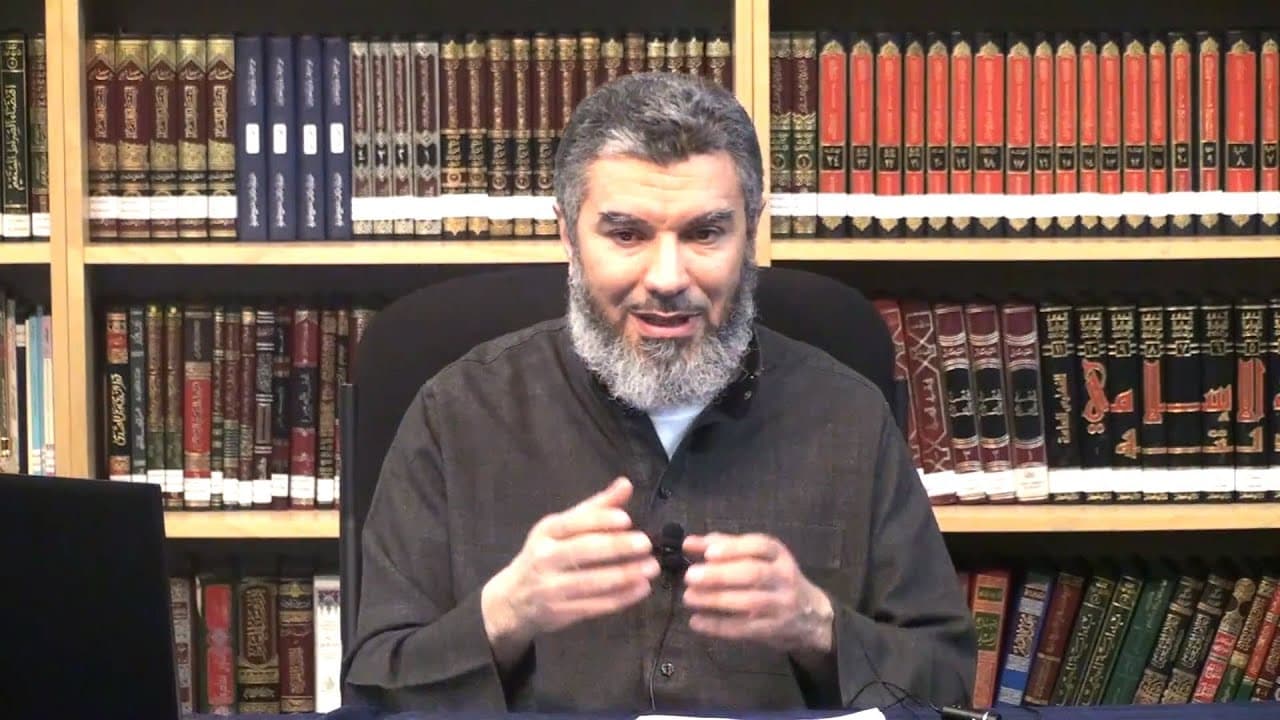
Islamic Finance - Part 4 - Fiqh of Business Transactions Contracts of Sale - Hacene Chebbani
TL;DR
Islam views wealth as sacred, forbids theft and unjust transactions, requires clear contracts, and respects intangible assets.
Transcript
so uh we continue inshallah with our program F of business transaction and tonight we will talk about we'll focus on the contract of sale and we will try to understand the general you know uh formula of uh a philosophy of contract making contracts in Islam so basically uh Islam considers the wealth or the Mel of someone the property of someone as s... Read More
Key Insights
- 👨💼 Islam forbids theft, usurpation, and unjust means of acquiring wealth to uphold the sanctity of property and ethical business conduct.
- 👨💼 Contracts in Islam require clear offers, acceptances, and specified conditions to ensure validity and ethical business transactions.
- ©️ Intangible assets like copyrights and patents are respected in Sharia for their financial value and intellectual property rights.
- ♿ Modern methods of contract-making are permissible in Islam if they uphold transparency, immediate access, and mutual consent.
Install to Summarize YouTube Videos and Get Transcripts
Explore YouTube Video Summarizer or Get YouTube Transcript Extractor
Questions & Answers
Q: What is the philosophy behind Islam's prohibition on theft?
In Islam, wealth is viewed as sacred, and stealing is not just a crime against an individual but a violation of the sanctity of one's property and honor. This prohibition ensures fairness and respect for others' possessions.
Q: How are contracts in Islam structured to ensure validity?
Contracts in Islam require clear offers, acceptance, subject matters, and conditions to be valid. These elements ensure transparency, mutual consent, and ethical conduct in business transactions.
Q: What are the ethical considerations when dealing with intangible assets in Islam?
Intangible assets like copyrights, trademarks, and patents are respected in Sharia for their financial value and intellectual property rights. The ownership and inheritance of these assets are upheld as per Islamic principles.
Q: How does Islam view contracts made through modern means like the internet or phone?
Islamic scholars have approved modern methods of contract-making, ensuring immediate access, clarity, and mutual consent in transactions conducted through online platforms.
Summary & Key Takeaways
-
Islam values wealth as sacred, prohibits theft and unjust means of acquiring wealth.
-
Contracts in Islam need clear offers and acceptances, ethical subject matters, and specified conditions.
-
Intangible assets like copyrights and patents are respected in Sharia, with clear ownership and material value.
Read in Other Languages (beta)
Share This Summary 📚
Summarize YouTube Videos and Get Video Transcripts with 1-Click
Try YouTube Summary with ChatGPT & Claude or YouTube Transcript Generator
Explore More Summaries from Digital Mimbar 📚


Summarize YouTube Videos and Get Video Transcripts with 1-Click
Try YouTube Summary with ChatGPT & Claude or YouTube Transcript Generator