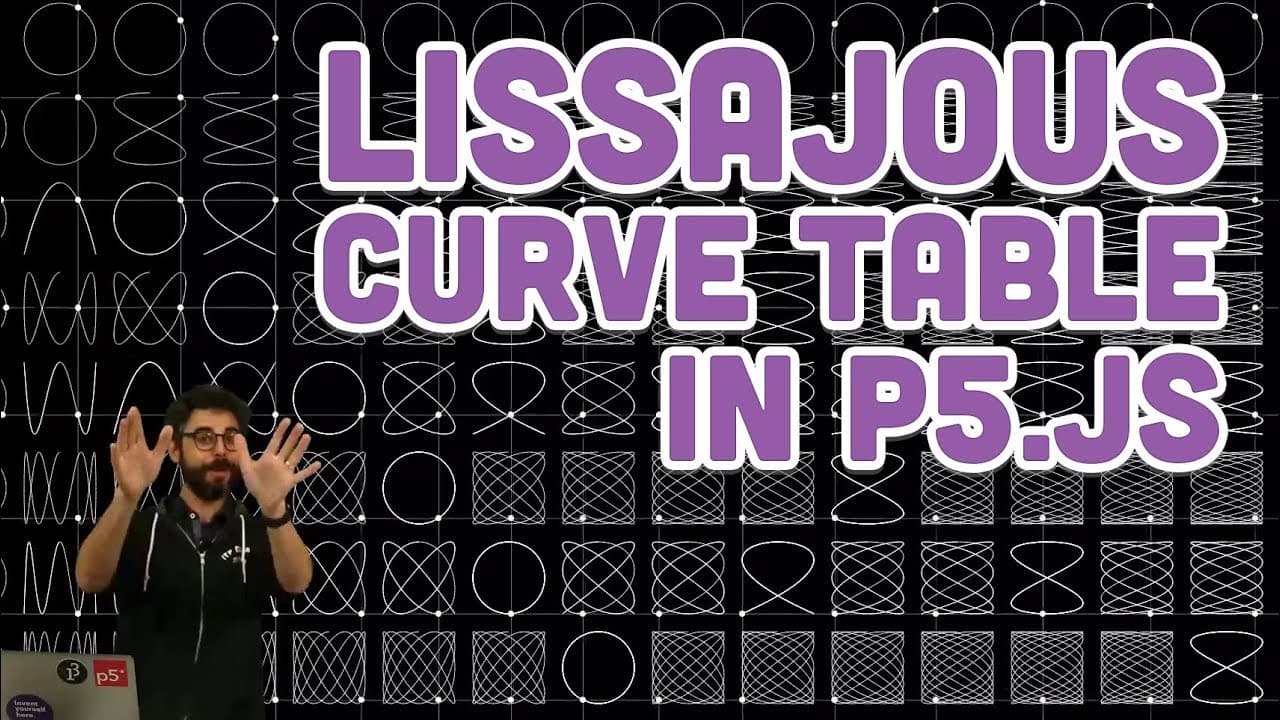
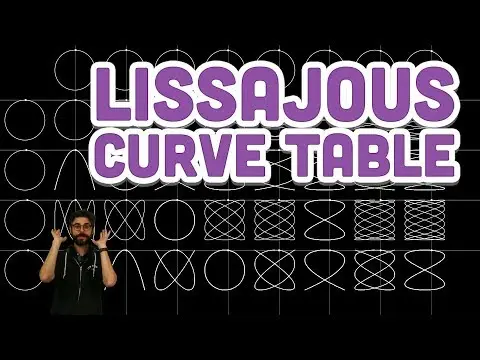
Coding Challenge #116 Continued: Lissajous Curve Table in p5.js
TL;DR
Converting Processing code to JavaScript in real-time for browser-based usage.
Transcript
- Hello, this is a quick follow-up video from my Lissa Jous Coding Challenge which you can see running here in a 400 X 400 window in processing. What I'm going to do in this video is take all this code, copy in the P5 just web editor, and convert it all to JavaScript. Can I do that in just like 5 minutes, and get it running in canvas and the browse... Read More
Key Insights
- 👨💻 Manual code conversion can be a meticulous but effective approach to retain functionality across different programming languages.
- 🛃 Utilizing custom functions can streamline the process of adapting data structures and types between languages.
- 🤙 Attention to detail, such as adjusting syntax and method calls, is crucial for a successful code conversion from Processing to JavaScript.
- 👨💻 Real-time demonstrations provide valuable insights into the challenges and solutions encountered during the coding process.
- 🤗 Browser compatibility opens up opportunities for sharing and utilizing code across a wider audience.
- 👨💻 The presenter's interactive and engaging approach showcases the practical application of code conversion techniques.
- 👨💻 Experimenting with different methods and tools can enhance the efficiency and accuracy of converting code between languages.
Install to Summarize YouTube Videos and Get Transcripts
Explore YouTube Video Summarizer or Get YouTube Transcript Extractor
Questions & Answers
Q: What tools does the presenter use to convert the code from Processing to JavaScript?
The presenter employs a manual approach, copying and pasting code while adjusting syntax and functions to align with JavaScript conventions.
Q: How does the presenter handle differences in data types and structures between Processing and JavaScript?
To address data type variations, the presenter introduces custom functions like "Make 2D array" and adapts array handling methods within the converted JavaScript code.
Q: What challenges does the presenter encounter during the code conversion process?
Challenges include debugging errors such as undefined functions, syntax discrepancies, and adapting object-oriented aspects from Processing to JavaScript constructors.
Q: What final results does the presenter achieve after successfully converting the code to JavaScript?
The presenter successfully generates a browser-compatible version of the original Processing code, demonstrating a functional Lissa Jous pattern in JavaScript with improved performance and visual clarity.
Summary & Key Takeaways
-
The video showcases the process of converting Processing code to JavaScript for browser compatibility.
-
The presenter meticulously translates the code step-by-step, addressing syntax variations between the two languages.
-
The demonstration culminates in a functional JavaScript version of the original Processing code for interactive use in browsers.
Read in Other Languages (beta)
Share This Summary 📚
Summarize YouTube Videos and Get Video Transcripts with 1-Click
Try YouTube Summary with ChatGPT & Claude or YouTube Transcript Generator
Explore More Summaries from The Coding Train 📚

Summarize YouTube Videos and Get Video Transcripts with 1-Click
Try YouTube Summary with ChatGPT & Claude or YouTube Transcript Generator