Can Algorithms Think? | Richard Karp and Lex Fridman
TL;DR
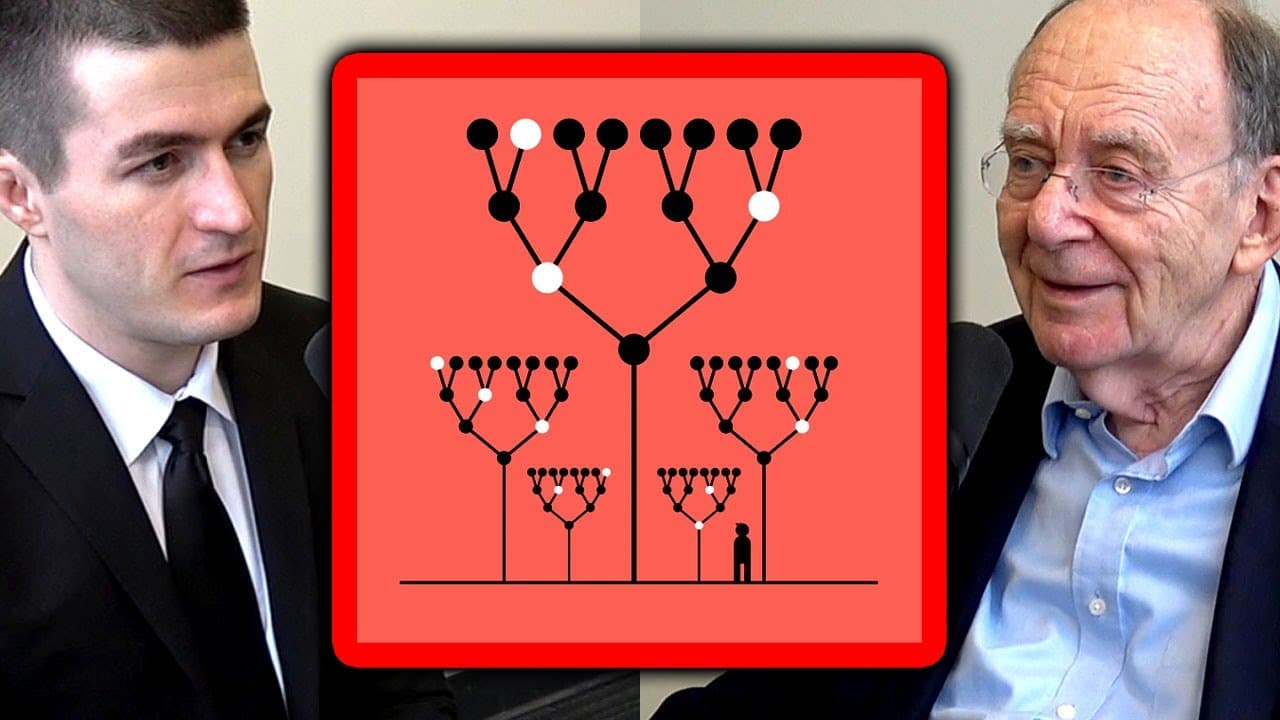
It is difficult to determine the true intelligence of algorithms, and current achievements in AI are limited compared to the complex cognitive abilities and emotions exhibited by humans.
Transcript
i didn't feel that the turing test was really the right way to calibrate how intelligent an algorithm could be but to linger on that do you think it's pos because you've come up with some incredible tests later on tests on algorithms right yeah that are uh like strong reliable robust across a bunch of different classes of algorithms but returning t... Read More
Key Insights
- 💨 The Turing test may not be the most effective way to measure algorithm intelligence.
- 📏 Achievements in AI are limited to specific tasks and rules compared to the complex processes of human intelligence.
- 🍂 Current AI capabilities fall short in areas like comprehension, emotions, intuition, and physical attributes needed for exploring the environment.
Install to Summarize YouTube Videos and Get Transcripts
Explore YouTube Video Summarizer or Get YouTube Transcript Extractor
Questions & Answers
Q: Is it possible to create algorithms that exhibit the same level of intelligence as human beings?
It is an open question, but the current achievements in AI operate within limited rules and specific tasks, unlike the complex capabilities of human intelligence.
Q: Can human intelligence be reduced to an algorithm or set of algorithms?
While the human brain may be considered a network of interconnected switches, building a simulation based solely on that premise is not feasible. Acquiring the necessary information about brain operation remains a significant challenge.
Q: Do current AI achievements surpass the comprehension abilities of a six-month-old child?
No, there is no computer program in existence that surpasses a six-month-old child's comprehension of the world, highlighting the limitations of current AI achievements.
Q: Can the complexity of human intelligence and emotions be reduced to algorithms?
Achieving human-level intelligence through algorithms alone is doubtful. While the brain operates based on interconnected switches, simulating this structure alone is not a feasible approach.
Summary & Key Takeaways
-
The Turing test may not be the best way to measure algorithm intelligence, and it is challenging to create a test as robust as computational complexity work.
-
Achievements in AI have been limited to specific tasks and ground rules, unlike the dynamic and multifaceted processes of human intelligence.
-
Current AI achievements do not come close to human capabilities, such as comprehension, emotions, intuition, and physical attributes required for exploring the environment.
Read in Other Languages (beta)
Share This Summary 📚
Summarize YouTube Videos and Get Video Transcripts with 1-Click
Try YouTube Summary with ChatGPT & Claude or YouTube Transcript Generator
Explore More Summaries from Lex Clips 📚


Summarize YouTube Videos and Get Video Transcripts with 1-Click
Try YouTube Summary with ChatGPT & Claude or YouTube Transcript Generator