Why Are Most ICOs Considered Scams?
TL;DR
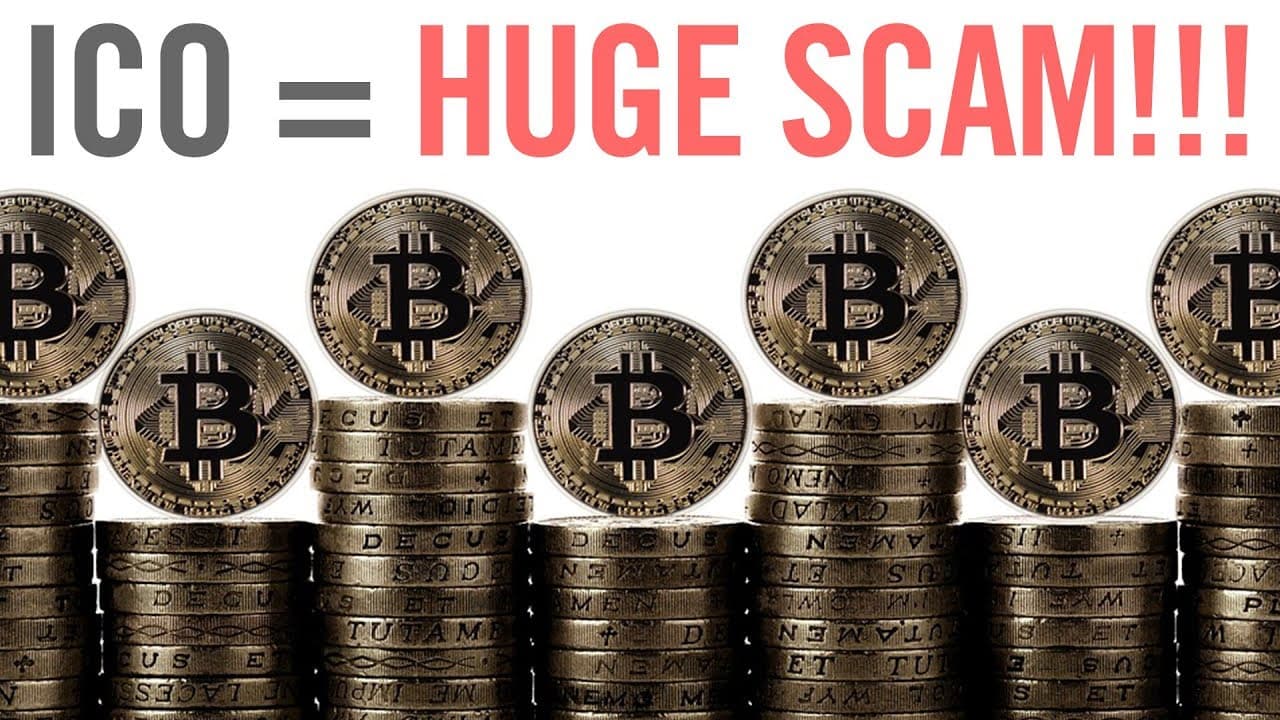
Most ICOs are labeled scams due to their lack of regulation, minimal barriers to entry, and absence of accountability. Unlike IPOs, ICOs don't require a track record, allowing anyone to launch one and potentially engage in manipulative practices like pump and dump schemes. Investors often buy into ICOs hoping for quick gains like Bitcoin, but many offerings exploit hype without real value.
Transcript
so I haven't gotten enough hate comments lately and that made me decide to make another video talking about a Bitcoin and cryptocurrency related topics so if you guys are looking for a video to drop some thumbs downs on due to the fact that I'm talking about cryptocurrency with an unfavorable opinion then you are going to be happy with this video b... Read More
Key Insights
- 🦄 Many highly regarded individuals, including Jordan Belfort and Jimmy Wales, have criticized ICOs as scams.
- 😃 The elevated interest in cryptocurrencies and blockchain technology has led to a rush to invest in ICOs in the hopes of finding the next big success.
- 🫥 The author draws similarities between the ICO market and the dot-com bubble, with investments driven primarily by hype and speculation.
- 😘 Lack of regulation and accountability, low barriers to entry, and the absence of a track record make ICOs attractive to scammers.
- 🦄 Buying into ICOs based on the success of Bitcoin and Ethereum is not a guarantee of future success.
- 🥟 The ICO market is prone to pump and dump schemes, where companies manipulate prices for personal gain.
- 🦄 Some companies exploit the hype around blockchain technology by launching ICOs without a genuine connection or benefit.
Install to Summarize YouTube Videos and Get Transcripts
Explore YouTube Video Summarizer or Get YouTube Transcript Extractor
Questions & Answers
Q: Why do many people believe that ICOs are scams?
Many people view ICOs as scams due to the lack of regulation, low barriers to entry, absence of track record requirements, minimal accountability, potential for pump and dump schemes, and opportunistic exploitation of the cryptocurrency hype.
Q: Are all ICOs scams?
Not all ICOs are scams, but the author believes that most of them are. There are legitimate ICOs, but the lack of regulation and accountability in the industry makes it difficult to distinguish between genuine projects and scams.
Q: What are the risks associated with investing in ICOs?
Investing in ICOs comes with numerous risks, including the potential for losing all of your invested money due to scams or the failure of the project, volatility in cryptocurrency prices, lack of regulatory protection, and the prevalence of pump and dump schemes.
Q: How are ICOs different from traditional methods of raising capital?
ICOs offer a more accessible and less regulated way for companies to raise capital compared to IPOs or venture capital. Minimal barriers to entry, the absence of a track record requirement, and the use of a white paper instead of detailed financials all contribute to this difference.
Summary & Key Takeaways
-
ICOs (Initial Coin Offerings) are similar to IPOs (Initial Public Offerings) but instead of offering shares, they offer tokens based on perception and speculation.
-
$2.3 billion has been raised in 2017 through ICOs, driven by elevated interest in cryptocurrency and the hope of finding the next Bitcoin or Ethereum.
-
The author believes that the cryptocurrency market is currently in a bubble similar to the dot-com bubble, with investments based solely on hype and speculation.
Read in Other Languages (beta)
Share This Summary 📚
Summarize YouTube Videos and Get Video Transcripts with 1-Click
Try YouTube Summary with ChatGPT & Claude or YouTube Transcript Generator
Explore More Summaries from Ryan Scribner 📚





Summarize YouTube Videos and Get Video Transcripts with 1-Click
Try YouTube Summary with ChatGPT & Claude or YouTube Transcript Generator