What Caused the Greek Debt Crisis and Its Consequences?
TL;DR
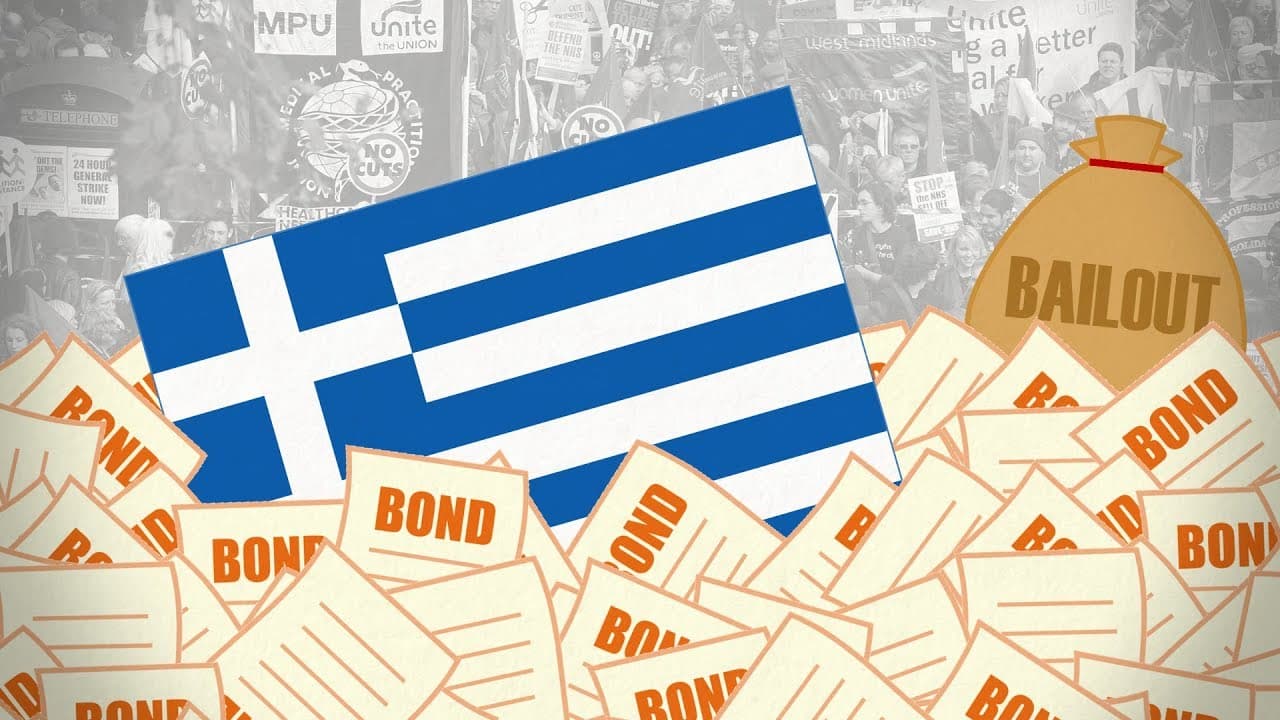
The Greek debt crisis was triggered by the country's adoption of the euro, which masked its fiscal mismanagement, leading to excessive debt. The 2008 global recession revealed these vulnerabilities, forcing Greece into multiple bailouts with harsh austerity measures, further straining its economy and leading to widespread social unrest. Despite lifting itself out of the bailout programs, Greece continues to struggle with high debt levels and economic challenges.
Transcript
this video is sponsored by Skillshare goto sk LSH / the plain bagel to get a free two month premium trial in the world of finance we are often quick to forget the tragedies of the past yet valuable lessons are to be had by exploring their causes and effects after all in world of ever-changing rules products and services history is the one constant ... Read More
Key Insights
- 😷 Greece's decision to adopt the euro masked its debt load but ultimately led to a severe financial crisis.
- 🌐 The 2008 global recession exposed Greece's vulnerabilities and resulted in a sharp decline in GDP.
- 🇬🇷 The troika provided multiple bailouts to Greece, but the imposed austerity measures exacerbated the economic decline and caused social unrest.
- 🍉 The Greek financial crisis highlights the importance of fiscal responsibility and the long-term consequences of mismanagement.
- 😀 Despite finishing its bailout program, Greece still faces significant economic challenges and high levels of debt.
- 💀 The crisis serves as a case study for the dangers of relying too heavily on external assistance and failing to address fundamental economic issues.
- 😀 Greece's experience demonstrates the impact of financial crises on the everyday lives of the population, with many people facing poverty and economic hardship.
Install to Summarize YouTube Videos and Get Transcripts
Explore YouTube Video Summarizer or Get YouTube Transcript Extractor
Questions & Answers
Q: What was the main reason behind Greece's decision to adopt the euro?
Greece wanted access to better financing and the economic benefits that come with adopting a shared currency.
Q: Who came to Greece's rescue during the financial crisis?
The troika, which consists of two EU entities and the International Monetary Fund, provided bailouts to prevent Greece from defaulting.
Q: What were the consequences of the austerity measures imposed on Greece?
The austerity measures, including tax reforms, layoffs, and wage cuts, caused political and social unrest, and the country experienced a significant economic downturn.
Q: Has Greece fully recovered from the financial crisis?
Greece has finished its bailout program, but it still maintains a high debt to GDP ratio and a significant portion of its population continues to live in poverty.
Summary & Key Takeaways
-
In 1999, Greece faced a dilemma of either cutting back spending or missing out on adopting the euro, so they turned to a deal with Goldman Sachs to mask their debt load.
-
Greece enjoyed some economic benefits after adopting the euro, but the 2008 global recession hit the country hard, exposing their vulnerabilities.
-
Multiple bailouts were provided by the troika, but the austerity measures imposed in return put further pressure on Greece's economy and led to political and social unrest.
Read in Other Languages (beta)
Share This Summary 📚
Summarize YouTube Videos and Get Video Transcripts with 1-Click
Try YouTube Summary with ChatGPT & Claude or YouTube Transcript Generator
Explore More Summaries from The Plain Bagel 📚





Summarize YouTube Videos and Get Video Transcripts with 1-Click
Try YouTube Summary with ChatGPT & Claude or YouTube Transcript Generator