How to find meaning in everyday sounds | Sebastian Sequoiah-Grayson | TEDxUNSW Salon
TL;DR
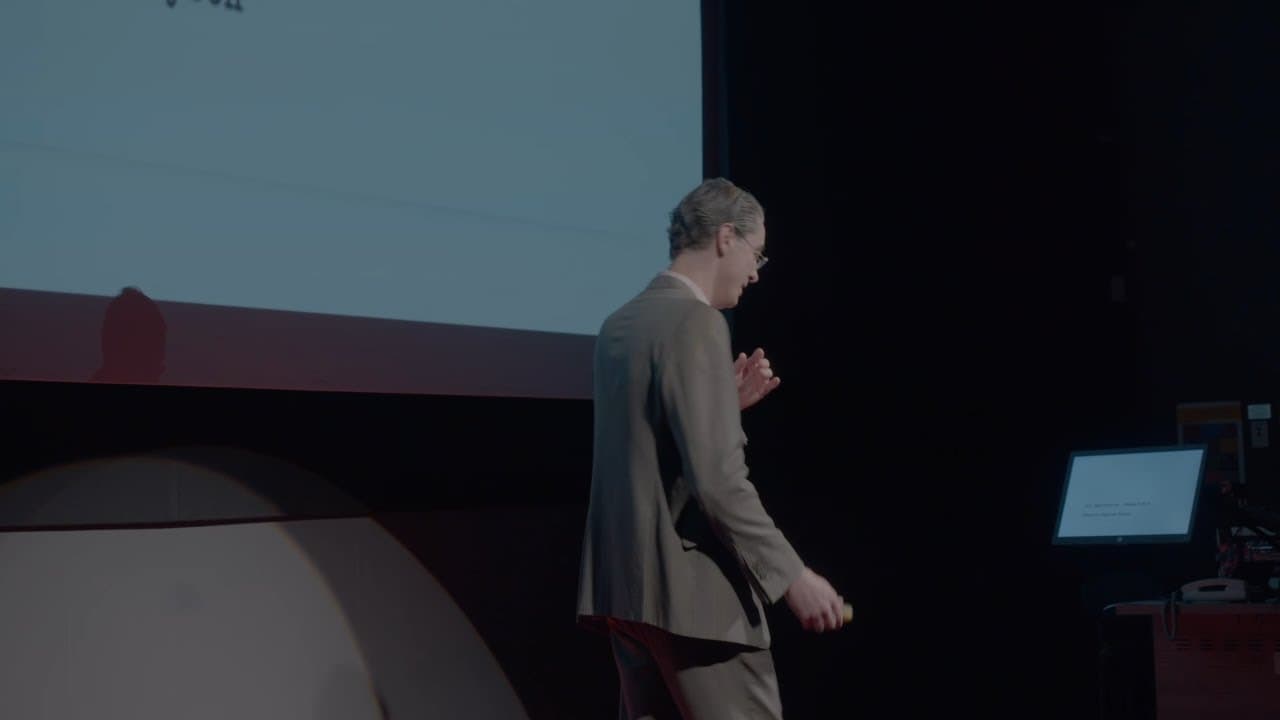
The speaker reflects on music's roots, emphasizing sound's relationship to everyday life and urban environments.
Transcript
hello everyone how are you doing it's absolutely fantastic to be here how great is music I will never forget the time I first heard sound for itself it was all the way back in 1986 I am I am 1986 old and I was 10 then turning 11 goodness I remember the' 70s there was a lot of nylon it wasn't good and the band that the time that were absolutely huge... Read More
Key Insights
- 🎼 Personal experiences with music can shape lifelong interests and career paths.
- 👂 There is a deep interconnection between music, movement, and everyday sounds, significantly influencing modern genres.
- 🤑 Urban environments provide rich soundscapes that can enhance musical creativity and expression.
- 👻 Traditional music notation can be expanded through graphic notation, allowing for innovative improvisation.
- 👂 Engaging with sounds, rather than solely with visuals, can deepen one’s understanding of their environment and foster creativity.
- 👔 Folk music emerged not just from formal settings but from practical, everyday rhythms tied to labor and transportation.
- 🎼 The evolution of music often reflects the technological and societal changes occurring in the surrounding culture.
Install to Summarize YouTube Videos and Get Transcripts
Explore YouTube Video Summarizer or Get YouTube Transcript Extractor
Questions & Answers
Q: How did the speaker's early exposure to music influence their career?
The speaker's early passion for music began at age ten after hearing a 14-minute song by Dire Straits. This pivotal moment led them to request an electric guitar for Christmas, igniting a lifelong journey of musical exploration and expression, despite a prolonged break during their studies.
Q: What does the speaker attribute the evolution of rock and roll to?
The speaker connects rock and roll's distinctive sound to traveling musicians who played along with the rhythmic noises of freight trains in railway boxcars. The rhythms of these journeys influenced the style and structure of early rock and roll music, intertwining it with the essence of movement and transport.
Q: How did the speaker’s approach to music change with modern environments?
Transitioning from acoustic folk traditions, the speaker began to incorporate urban sounds into their music, using field recordings of construction sites in Sydney. This blend of modernity and environmental soundscapes highlights the evolution of musical practices that reflect contemporary life.
Q: What is graphic notation, and how does the speaker utilize it?
Graphic notation is a visual representation of sound that diverges from traditional music notation. The speaker uses it to interpret sound recordings creatively, allowing musicians to improvise based on visual cues rather than conventional sheet music, fostering a unique collaborative performance style.
Q: Why does the speaker emphasize listening to urban sounds?
The speaker believes urban environments hold rich auditory experiences that often go unnoticed. By encouraging people to actively listen rather than merely observe, they highlight a deeper appreciation for the sounds that shape our surroundings and contribute to the fabric of daily life.
Q: Who is Alan Lomax, and what significance does he have in music history?
Alan Lomax was an influential musicologist known for field recordings that preserved various folk traditions. The speaker credits Lomax with documenting rich musical heritages, particularly those from the American South, emphasizing the importance of these archives in understanding music's historical context.
Summary & Key Takeaways
-
The speaker shares personal anecdotes about discovering music and its transformative power, leading them to want to play guitar at a young age.
-
They explore the historical connection between folk music, machinery, and everyday rhythms, emphasizing the influence of trains and construction on modern sounds.
-
The speaker encourages listeners to engage with the world through sound rather than sight, promoting an appreciation for urban auditory experiences.
Read in Other Languages (beta)
Share This Summary 📚
Summarize YouTube Videos and Get Video Transcripts with 1-Click
Try YouTube Summary with ChatGPT & Claude or YouTube Transcript Generator
Explore More Summaries from TEDx Talks 📚

Summarize YouTube Videos and Get Video Transcripts with 1-Click
Try YouTube Summary with ChatGPT & Claude or YouTube Transcript Generator