What Jobs Will Machines Replace and Which Will Remain?
TL;DR
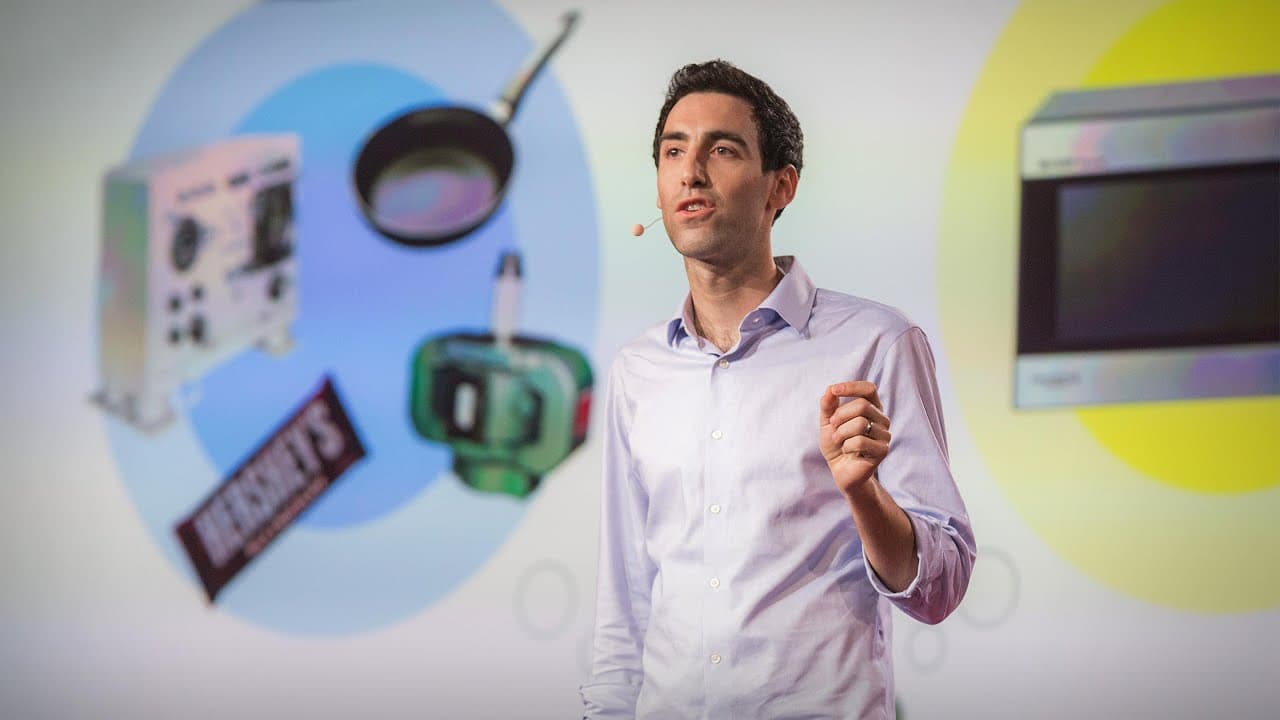
Nearly half of all jobs are at high risk of automation due to advancements in machine learning, which excels at frequent, high-volume tasks. However, jobs requiring creativity and problem-solving, like marketing and strategy development, will remain in demand as humans outpace machines in tackling novel situations.
Transcript
So this is my niece. Her name is Yahli. She is nine months old. Her mum is a doctor, and her dad is a lawyer. By the time Yahli goes to college, the jobs her parents do are going to look dramatically different. In 2013, researchers at Oxford University did a study on the future of work. They concluded that almost one in every two jobs have a high r... Read More
Key Insights
- 🤖 Almost half of all jobs have a high risk of being automated by machines, according to a study by Oxford University in 2013.
- 🔬 Machine learning, the most powerful branch of artificial intelligence, is responsible for the disruption in job automation.
- 💼 Machine learning has evolved from simple tasks to complex ones, such as grading high-school essays and diagnosing diseases.
- 📚 Machines can outperform humans in frequent, high-volume tasks, but they struggle with novel situations.
- ⚖️ Accountants and lawyers will still be needed, but machines will reduce their ranks and make these jobs harder to come by.
- 📝 Humans will be needed for tasks like creating attention-grabbing marketing campaigns and developing business strategies.
- 💡 Cross-pollination of knowledge and the ability to tackle novel situations gives humans an advantage over machines.
- 🌍 The future of work depends on the reducibility of jobs to frequent, high-volume tasks and the involvement in tackling novel situations.
Install to Summarize YouTube Videos and Get Transcripts
Explore YouTube Video Summarizer or Get YouTube Transcript Extractor
Questions & Answers
Q: What is the future of work according to the video content?
According to the video content, the future of work suggests that almost half of the jobs have a high risk of being automated by machines. Machine learning, which is a branch of artificial intelligence, is responsible for this disruption.
Q: What breakthroughs have been made in machine learning?
Machine learning has made significant breakthroughs over the past few years. For example, algorithms developed through machine learning were able to grade high-school essays as accurately as human teachers and diagnose eye diseases as well as human ophthalmologists.
Q: What tasks can machines outperform humans on?
Machines can outperform humans on frequent, high-volume tasks that involve large volumes of data. For instance, machines can read and evaluate millions of essays or diagnose millions of eyes within minutes, while humans would take significantly longer.
Q: What tasks can humans perform better than machines?
Humans excel in tackling novel situations. Unlike machines, humans have the ability to connect seemingly unrelated concepts and threads to solve problems they have never encountered before. Creativity, cross-pollination of ideas, and the ability to stand out in marketing campaigns are examples of tasks where humans outperform machines.
Summary & Key Takeaways
-
Researchers at Oxford University concluded that almost half of all jobs have a high risk of being automated by machines, particularly due to advancements in machine learning.
-
Machine learning has made significant progress and is now capable of performing complex tasks, such as grading essays and diagnosing diseases, more accurately than humans.
-
While machines excel at frequent, high-volume tasks, humans still have the advantage in tackling novel situations, being able to connect disparate threads and solve problems they haven't encountered before.
Read in Other Languages (beta)
Share This Summary 📚
Summarize YouTube Videos and Get Video Transcripts with 1-Click
Try YouTube Summary with ChatGPT & Claude or YouTube Transcript Generator
Explore More Summaries from TED 📚

Summarize YouTube Videos and Get Video Transcripts with 1-Click
Try YouTube Summary with ChatGPT & Claude or YouTube Transcript Generator