¿Cuáles fueron las causas y consecuencias de la Revolución Industrial?
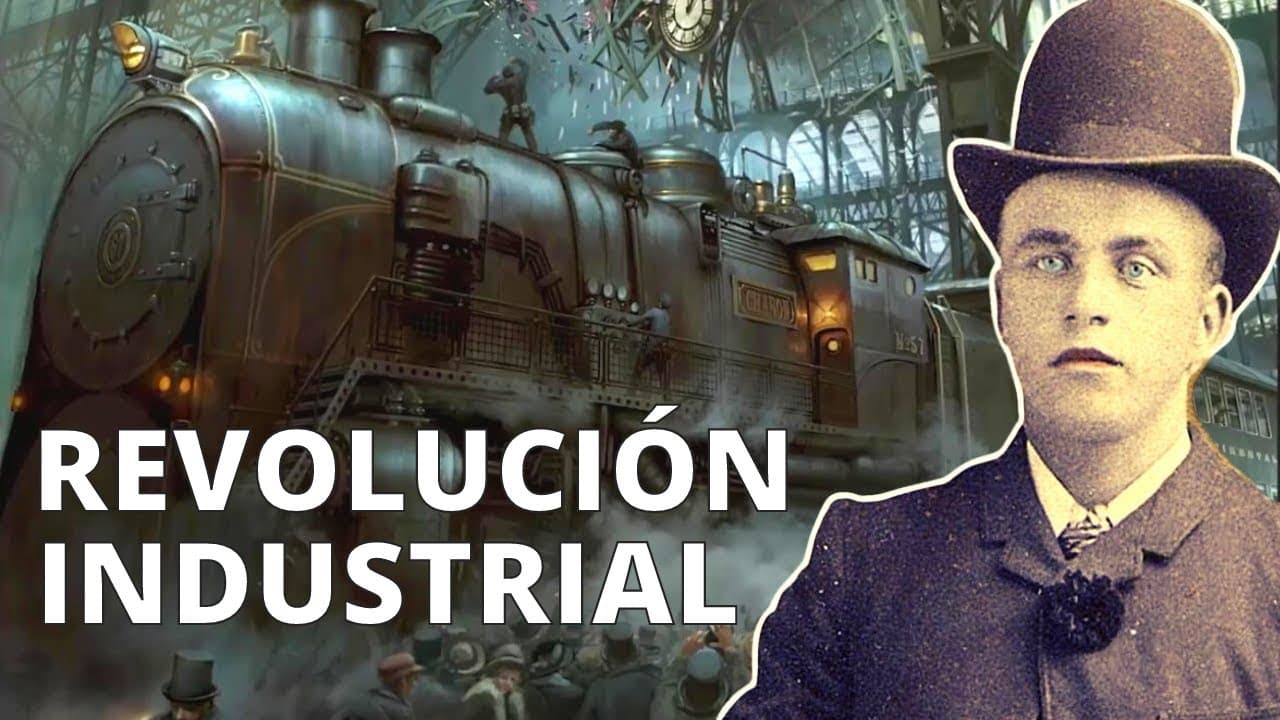
TL;DR
La Revolución Industrial transformó la economía agrícola en industrial, impulsando el crecimiento urbano y la aparición de nuevas clases sociales. Innovaciones como la máquina de vapor y el ferrocarril fueron clave en este cambio, llevando a tensiones laborales y un aumento en la demanda de derechos de los trabajadores.
Transcript
The industrial revolution or first industrial revolution was the process of industrialization that began in Great Britain in the second half of the 18th century and later spread to the rest of Europe and the United States. The result was that the country's economy ceased to be based on agriculture. and livestock and began to focus on industrial act... Read More
Key Insights
- 💱 The transition from an agrarian economy to industrialization profoundly changed the economic landscape, prioritizing industrial output over traditional farming.
- 💋 Urban centers emerged as hubs of industry, marking a shift away from rural lifestyles and promoting new demographic patterns.
- 🏛️ Capitalism emerged as the dominant economic model, fundamentally altering property ownership and labor relations, which often fueled tensions between classes.
- 😤 Technological innovations, including the steam engine and mechanized tools, significantly increased productivity and efficiency, reshaping industries.
- 🔬 The Industrial Revolution spurred labor movements as workers sought to organize for better conditions, which led to new labor rights and regulations.
- 😷 Advancements in medical technology, including vaccinations, contributed to a decrease in mortality rates and population increases.
- 🙈 The second stage of the Industrial Revolution saw further advancements in energy sources, particularly electricity and oil, enhancing production and transport capabilities.
Install to Summarize YouTube Videos and Get Transcripts
Explore YouTube Video Summarizer or Get YouTube Transcript Extractor
Questions & Answers
Q: What were the main technological advancements during the Industrial Revolution?
Key technological advances include the steam engine, which transformed transportation and manufacturing, the spinning jenny and power looms in textiles, and innovations in metallurgy like the Bessemer process for producing steel. These advancements allowed for mass production and significantly increased efficiency in various industries, fundamentally changing the nature of work.
Q: How did the Industrial Revolution affect social class structures?
The Industrial Revolution led to the decline of feudalistic class structures, giving rise to the industrial bourgeoisie and the working class or proletariat. The bourgeoisie, composed of factory owners and capitalists, gained significant political power, while the working class faced harsh conditions in factories, leading to labor movements and calls for reforms.
Q: What role did urbanization play in the Industrial Revolution?
Urbanization was a critical aspect of the Industrial Revolution as many displaced agricultural workers migrated to cities in search of factory jobs. This relentless influx led to rapid population growth in urban areas, contributing to the development of industrial centers and significant changes in living conditions, often resulting in overcrowded and unsanitary environments.
Q: What were the social consequences of the Industrial Revolution?
Socially, the Industrial Revolution brought about a shift in values, with increased emphasis on scientific knowledge and rationalism over traditional beliefs. It also created new social issues, such as labor exploitation, poor working conditions, and health crises, which in turn birthed labor unions and movements advocating for workers’ rights and improved living standards.
Summary & Key Takeaways
-
The Industrial Revolution, beginning in 18th century Britain, marked a major economic shift from agriculture to industrialization, resulting in significant social changes.
-
Innovations such as the steam engine and improved transportation methods, including railways, catalyzed rapid industrial growth and urbanization, alongside the emergence of capitalism.
-
The resulting societal changes included the rise of new social classes, labor movements, and shifts in living conditions, leading to increased demand for labor and significant demographic changes.
Read in Other Languages (beta)
Share This Summary 📚
Summarize YouTube Videos and Get Video Transcripts with 1-Click
Try YouTube Summary with ChatGPT & Claude or YouTube Transcript Generator
Explore More Summaries from Lifeder Educación 📚






Summarize YouTube Videos and Get Video Transcripts with 1-Click
Try YouTube Summary with ChatGPT & Claude or YouTube Transcript Generator