What Can Startups Learn from Game Theory?
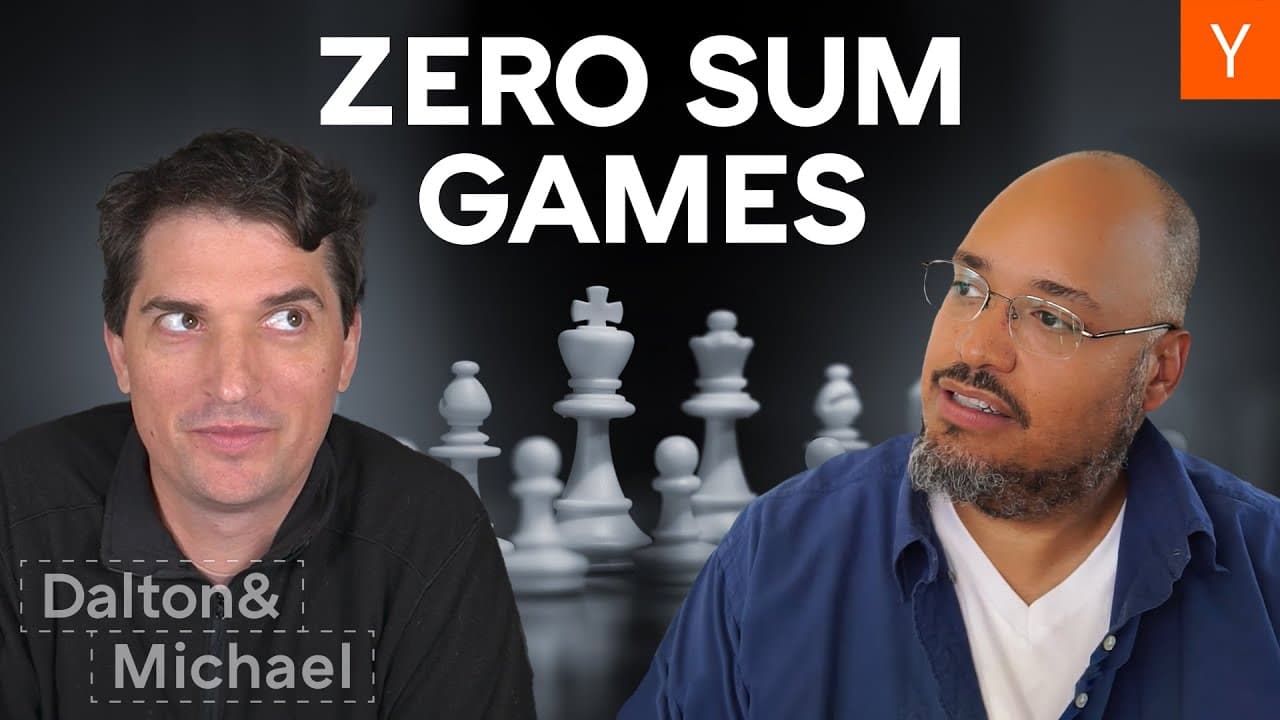
TL;DR
Startups thrive by engaging in positive-sum games, where all parties benefit and lasting value is created, unlike zero-sum games where one player's gain is another's loss. By focusing on building enduring value and avoiding the allure of quick wins, entrepreneurs can foster sustainable growth and avoid the traps of gambling-like scenarios.
Transcript
they never get the lessons in little dabs along the way like you know as kids we're used to getting these little lessons along the way for these zero-sum games often the lesson just comes fast and hard at the end it's like oh this is michael seibel with dalton caldwell and today we're going to talk about the problem with xero sub games so we were c... Read More
Key Insights
- 🎲 Zero-sum games involve direct competition where one player's gain is another player's loss. Examples include gambling and certain forms of trading.
- 🏠 Positive-sum games create lasting value and benefit all participants. Examples include building a house or creating a business.
- ♠️ Gambling is a common form of zero-sum game where one person's winnings come at the expense of others. It can be addictive and exploit an inherent flaw in human nature.
- 🃏 Many activities resemble gambling without being recognized as such, such as bluffing in poker or confidence games that manipulate people for personal gain.
- 💰 The financial industry has a history of engaging in zero-sum games, often at the expense of regular people. This has led to the need for regulations and laws to protect society.
- 🏦 Lack of empathy and the belief in one's own superiority can drive people to engage in zero-sum games, exploiting others for personal gain.
- ⚖️ Zero-sum games can cause societal harm and contribute to financial crises. Society progresses when positive-sum games prevail.
- 🔀 Building enduring value and focusing on positive-sum games requires resisting the fear of missing out and seeking external validation. Legacy and impact are more important than simply accumulating wealth.
Install to Summarize YouTube Videos and Get Transcripts
Explore YouTube Video Summarizer or Get YouTube Transcript Extractor
Questions & Answers
Q: What is a zero-sum game?
A zero-sum game is a situation where one player's gain directly comes at the expense of another player, resulting in no overall increase or decrease in total value.
Q: Can you provide an example of a zero-sum game?
One example of a zero-sum game is gambling, where the money one player wins comes directly from the pockets of other players.
Q: What is a positive-sum game?
A positive-sum game is a situation where the actions and interactions of players result in the creation of value that benefits all parties involved.
Q: Can you give an example of a positive-sum game?
Building a house is an example of a positive-sum game. It involves using labor and resources to create something that didn't exist before, benefiting both the builders and potential renters who can enjoy the house.
Q: How can one identify if they are engaged in a zero-sum game?
One way to identify a zero-sum game is to analyze whether the gains made by one person come directly at the expense or loss of another person. If there is no creation of new value, it is likely a zero-sum game.
Q: Why do people find gambling enticing despite it being a zero-sum game?
Gambling triggers a feeling of potential disproportionate wins without the perception of doing a disproportionate amount of work, appealing to the desire for easy gains. However, it takes advantage of an inherent flaw in human thinking, often leading to negative consequences.
Q: How can one build enduring value and avoid falling into zero-sum games?
To build enduring value, one should focus on engaging in positive-sum games, where value is created, lasting changes are made, and all involved parties benefit. It is important to resist the fear of missing out and make decisions based on long-term impact and legacy.
Q: Why is legacy important in avoiding zero-sum games?
Legacy plays a crucial role in avoiding zero-sum games because it forces individuals to consider the impact of their actions on future generations and society as a whole. Building a positive legacy requires engaging in activities that create lasting value rather than seeking short-term gains.
Summary & Key Takeaways
-
Zero-sum games involve situations where one player's gain directly comes at the expense of another player.
-
Positive-sum games result in the creation of lasting value, such as building a house, where both players benefit.
-
The allure of gambling and the potential for quick wins can lead people astray from engaging in positive-sum games and building enduring value.
Read in Other Languages (beta)
Share This Summary 📚
Summarize YouTube Videos and Get Video Transcripts with 1-Click
Try YouTube Summary with ChatGPT & Claude or YouTube Transcript Generator
Explore More Summaries from Y Combinator 📚






Summarize YouTube Videos and Get Video Transcripts with 1-Click
Try YouTube Summary with ChatGPT & Claude or YouTube Transcript Generator