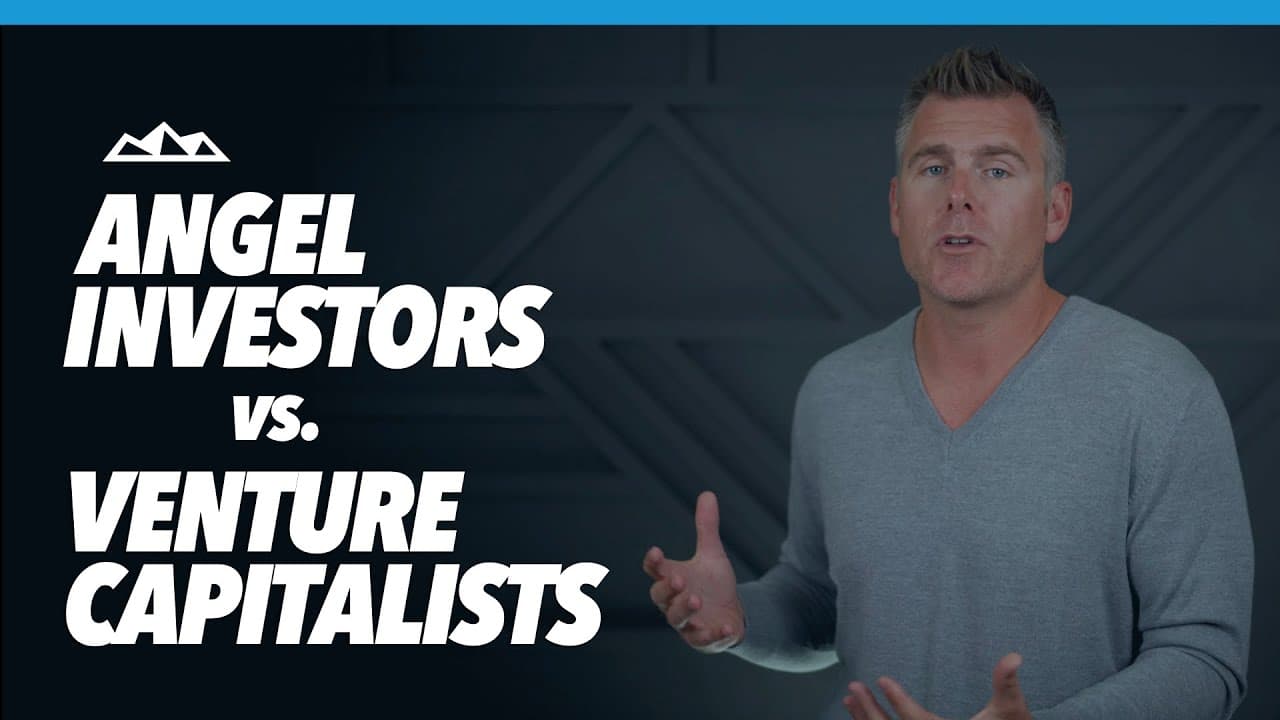
Angel Investors VS Venture Capitalists - Which One Is Right For You?
TL;DR
Angel investors and venture capitalists differ in funding sources, investment theses, and pitching styles.
Transcript
- Hi there. Dan Martell here, serial entrepreneur, investor, and creator of SaaS Academy. In this episode, I'm going to share with you the difference between angel investor and venture capitalists. Super important to know because both of them will give you money, but completely different experiences if you don't understand what motivates each one o... Read More
Key Insights
- Angel investors use their own money to invest, while venture capitalists use funds from limited partners.
- Angel investors are motivated by learning and fun, whereas venture capitalists have specific investment theses.
- Pitching to angel investors is informal, often involving personal meetings and direct communication.
- Venture capitalists require formal pitches, usually involving structured meetings with multiple partners.
- Angel investments range from $10,000 to $250,000, with exceptions going higher.
- Venture capital investments typically start at $250,000 and can go up to $3 million.
- Angel investors may invest based on a compelling story and prototype, even with minimal traction.
- Venture capitalists look for traction and momentum, focusing on performance over time.
Install to Summarize YouTube Videos and Get Transcripts
Explore YouTube Video Summarizer or Get YouTube Transcript Extractor
Questions & Answers
Q: What are the main differences between angel investors and venture capitalists?
The main differences lie in the source of funds, motivations, and investment processes. Angel investors use their own money and are driven by personal interests, learning, and fun. They often invest informally based on a good story and prototype. Venture capitalists, however, use funds from limited partners and have specific investment theses. Their process is formal, requiring traction and momentum before investing.
Q: How do pitching styles differ between angel investors and venture capitalists?
Pitching to angel investors is generally informal, often involving personal introductions and meetings. The process might include a phone call, an in-person meeting, and a wire transfer if the angel decides to invest. Venture capitalists, on the other hand, require a more structured approach. Entrepreneurs usually pitch during formal meetings, often on a Monday, where they present to all partners of the VC firm.
Q: What is the typical check size for angel investors and venture capitalists?
Angel investors typically invest amounts ranging from $10,000 to $250,000, although some might invest more in certain cases. Venture capitalists generally invest larger amounts, starting at $250,000 and going up to $3 million, especially for early-stage funding rounds. The check size reflects the different levels of risk and expectations between the two types of investors.
Q: What do angel investors look for when deciding to invest?
Angel investors often look for a compelling story and a working prototype. They are typically high-risk individuals willing to invest based on potential rather than proven traction. They value the entrepreneur's vision, the team, and the market opportunity, and are generally more flexible with the level of existing traction required to make an investment decision.
Q: What do venture capitalists require before investing in a company?
Venture capitalists require evidence of traction and momentum. They look for revenue-generating products, a solid team, and performance growth over time. VCs want to see consistent progress and increasing momentum in the company's development, indicating a strong potential for future growth and success.
Q: How do the investment theses differ between angels and VCs?
Angel investors often invest for personal reasons, such as learning, fun, and giving back, without a specific thesis. They enjoy being involved in high-growth startups and are less focused on specific sectors. Venture capitalists, however, have defined investment theses based on trends or opportunities in specific industries, such as SaaS, AI, or big data, which they pitch to their limited partners to raise funds.
Q: Why is understanding the differences between angels and VCs important for entrepreneurs?
Understanding these differences helps entrepreneurs choose the right type of funding for their needs and avoid potential mismatches in expectations. It ensures they approach the right investors with appropriate pitches, minimizing the risk of roadblocks and maximizing the chances of securing the necessary funding to grow their business effectively.
Q: What is the 'Fundraising Like a Pro' training mentioned in the video?
The 'Fundraising Like a Pro' training is a resource offered by Dan Martell, designed to guide entrepreneurs through the fundraising process. It covers three primary phases, including pre-marketing, to help founders set a solid foundation for attracting investors. The training aims to teach strategies for closing funding rounds quickly and effectively, ensuring that entrepreneurs meet or exceed their fundraising goals.
Summary & Key Takeaways
-
Angel investors and venture capitalists provide funding but differ in their approach and expectations. Angels use personal funds and are motivated by learning and fun, while VCs use pooled funds and have specific investment theses. The pitching process also varies significantly between the two.
-
Angels invest informally, often through personal connections, and are willing to take risks on promising stories and prototypes. In contrast, VCs require formal pitches and emphasize the importance of traction and momentum, looking for performance growth over time.
-
Investment sizes differ, with angels typically investing between $10,000 and $250,000, while VCs range from $250,000 to $3 million. Understanding these differences helps entrepreneurs choose the right funding source and avoid potential roadblocks in their business journey.
Read in Other Languages (beta)
Share This Summary 📚
Summarize YouTube Videos and Get Video Transcripts with 1-Click
Try YouTube Summary with ChatGPT & Claude or YouTube Transcript Generator
Explore More Summaries from Dan Martell 📚




Summarize YouTube Videos and Get Video Transcripts with 1-Click
Try YouTube Summary with ChatGPT & Claude or YouTube Transcript Generator