Moving a Ten-Ton Dino Deathtrap | National Geographic
TL;DR
Scientists extract intact dinosaur fossils from a steep slope, preserving unique finds for study.
Transcript
this project we have a large section of rock that's full of very sensitive fossils and organization that we can't really angular cut up individually and so what they're have to do is we have to take this down a very steep slope as you'll be able to see and to move such a large section of rock without breaking it up it's quite a challenge we are jus... Read More
Key Insights
- 🦕 Extracting intact dinosaur fossils from steep slopes requires meticulous planning and execution to preserve the fossils without damage.
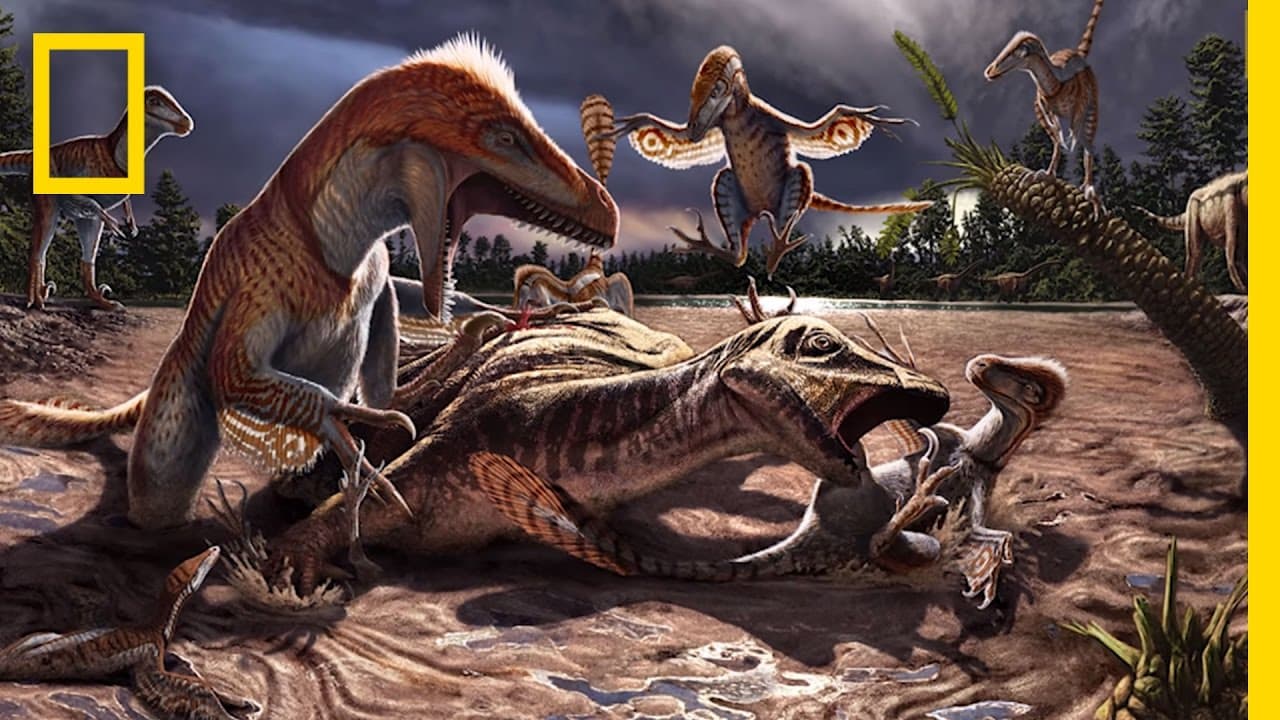
- 🦕 The site near Arches National Park yielded significant dinosaur finds, including parts of a Utahraptor and intact dinosaur jaws.
- 😤 A team with years of experience in paleontology successfully extracted a large fossil block after a decade of preparation.
- 🖼️ Securing the extracted fossil block with a frame, bolts, and hardware is crucial for safe transportation and preservation.
- 🔬 Fossil preparation in a lab under microscopes ensures careful examination and study of the rare dinosaur finds.
- 🦕 Patience, expertise, and innovative approaches are essential in the field of paleontology for extracting and studying dinosaur fossils.
- 🦕 Preservation of intact fossils provides valuable insights into prehistoric life and enhances scientific understanding of dinosaur ecosystems.
Install to Summarize YouTube Videos and Get Transcripts
Explore YouTube Video Summarizer or Get YouTube Transcript Extractor
Questions & Answers
Q: What unique challenges do scientists face when extracting intact dinosaur fossils from a steep slope?
Scientists have to carefully move a large section of rock without breaking the fossils, making the process challenging and intricate.
Q: What significant dinosaur finds were discovered near Arches National Park?
The site yielded fossils of a Utahraptor, a plant-eating dinosaur, and ten intact dinosaur jaws, indicating exceptional preservation.
Q: How did the team prepare the fossil block for extraction after years of study?
The team built a frame around the rock, removed rock underneath it, dug a tunnel, and secured the block with major bolts and hardware for extraction.
Q: What is the next step after successfully removing the fossil block from the mountain?
The fossil block will be transported to a lab for preparation under microscopes by a team with 120 years of experience for further study.
Summary & Key Takeaways
-
Scientists face the challenge of moving a large section of rock full of sensitive dinosaur fossils down a steep slope without breaking them up.
-
The site near Arches National Park in Utah holds rare finds, including parts of a Utahraptor, a plant-eating dinosaur, and ten different intact dinosaur jaws.
-
After ten years of preparation, a team successfully extracts a large fossil block for further study and preservation.
Read in Other Languages (beta)
Share This Summary 📚
Summarize YouTube Videos and Get Video Transcripts with 1-Click
Try YouTube Summary with ChatGPT & Claude or YouTube Transcript Generator
Explore More Summaries from National Geographic 📚



Summarize YouTube Videos and Get Video Transcripts with 1-Click
Try YouTube Summary with ChatGPT & Claude or YouTube Transcript Generator