How Trump's Economic Policies Impact the USA
TL;DR
Donald Trump's economic policies focus on tax reforms and trade protectionism. His tax cuts aimed to stimulate growth but raised concerns about wealth inequality and government debt. Trump's trade policies favor bilateral agreements to protect local industries but risk reducing global competitiveness.
Transcript
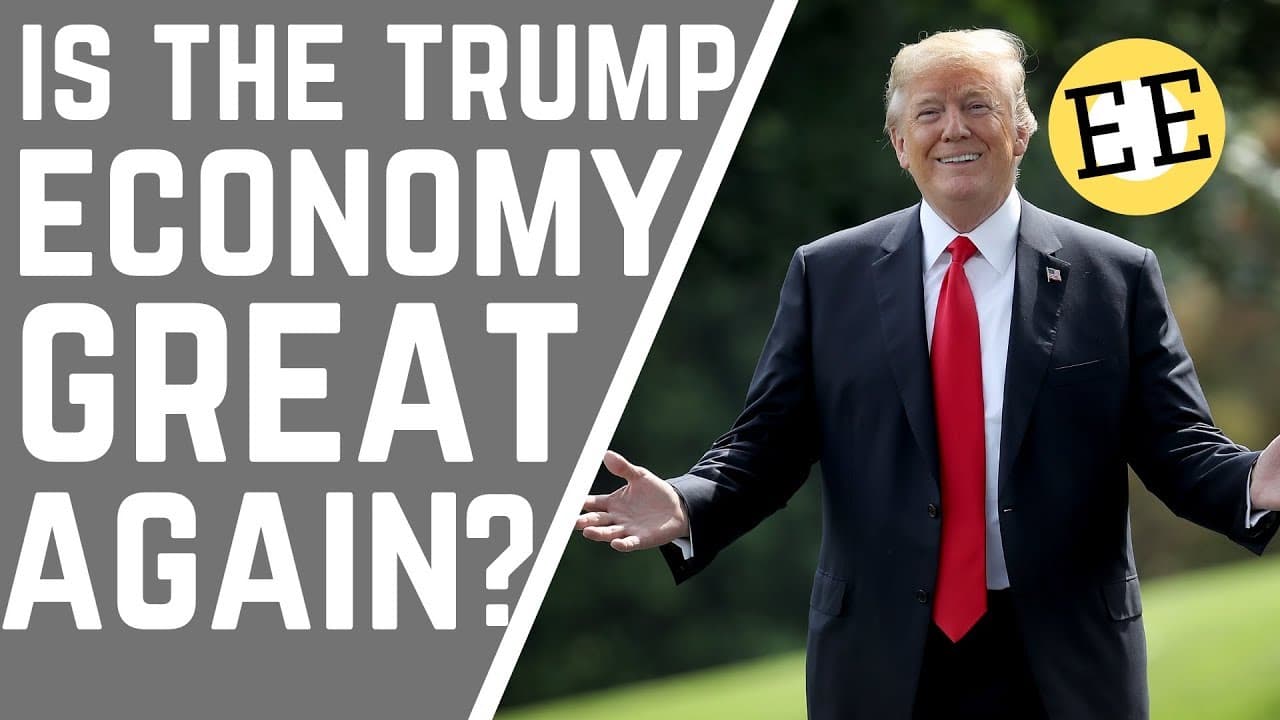
this is Donald J Trump the current sitting president of the United States and the assumed Republican candidate for president in 2020 Donald Trump is of course an extremely divisive political figure that has had a lot of criticism late against him but as always we are ignoring that for the sake of this video today we're going to look exclusively at ... Read More
Key Insights
- Trump's tax reform reduced top-end tax rates and aimed to stimulate industrial growth.
- The tax cuts during a strong economic period raised concerns about future government debt.
- Trump's policies targeted offshoring profits to tax havens, offering incentives to repatriate profits.
- Unemployment decreased, and GDP growth reached around 3% during Trump's term.
- Critics argue that tax cuts increased wealth inequality in the United States.
- Trump's protectionist trade policies focus on bilateral agreements to protect local industries.
- Bilateral trade agreements are preferred over multilateral ones for more control and fairness.
- Trump's economic policies reflect a typical neoclassical approach with emphasis on local industry.
Install to Summarize YouTube Videos and Get Transcripts
Explore YouTube Video Summarizer or Get YouTube Transcript Extractor
Questions & Answers
Q: How did Trump's tax reforms impact the US economy?
Trump's tax reforms significantly reduced top-end tax rates for individuals and corporations. This was intended to stimulate economic growth by encouraging investment and spending. While the reforms led to a decrease in unemployment and a rise in GDP growth, critics argue that they also increased wealth inequality and government debt, raising concerns about long-term economic stability.
Q: What are the main features of Trump's trade policies?
Trump's trade policies are characterized by a protectionist approach, favoring bilateral trade agreements over multilateral ones. This strategy aims to protect local industries by negotiating directly with individual countries, ensuring more control and fairness. However, this approach risks reducing global competitiveness and may lead to higher costs for consumers.
Q: Why are Trump's tax cuts considered controversial?
Trump's tax cuts are controversial because they were implemented during a period of economic growth, which some economists argue is the time to save for future downturns. The cuts primarily benefited wealthy individuals and corporations, increasing wealth inequality. Additionally, they contributed to a rise in government debt, raising concerns about the country's financial future.
Q: How did Trump's policies address offshoring of profits?
Trump's policies aimed to reduce the offshoring of profits by multinational corporations to tax havens. He implemented a 'carrot and stick' approach, making it harder for companies to use such tactics while offering incentives to repatriate profits to the US. This included a lower tax rate on repatriated profits, encouraging companies to invest back into the American economy.
Q: What impact did Trump's economic policies have on employment?
Trump's economic policies, including tax reforms and trade measures, contributed to a decrease in unemployment rates. The focus on stimulating industrial growth and protecting local industries helped create jobs and increase labor force participation. However, the long-term sustainability of these employment gains remains debated due to potential economic imbalances created by the policies.
Q: What are the risks associated with Trump's protectionist trade policies?
The primary risk of Trump's protectionist trade policies is reduced global competitiveness. By focusing on protecting local industries, there is a danger that these industries may become complacent and less competitive internationally. Additionally, protectionist measures can lead to trade wars and increased costs for consumers, potentially offsetting the benefits of local job protection.
Q: How do Trump's economic policies compare to typical Republican approaches?
Trump's economic policies align with typical Republican approaches, emphasizing neoclassical economics and local industry. Like many modern Republicans, Trump favors tax cuts and protectionist trade measures to stimulate growth. However, his policies have been more assertive in targeting tax havens and renegotiating trade agreements, reflecting his business-oriented mindset.
Q: What are the long-term implications of Trump's economic policies?
The long-term implications of Trump's economic policies include potential increases in government debt and wealth inequality. While the policies achieved short-term economic growth and job creation, the reduced tax revenue and increased spending could strain government finances. Additionally, the focus on protecting local industries might hinder global competitiveness, affecting the US's position in the international market.
Summary & Key Takeaways
-
Donald Trump's economic policies focused on significant tax reforms and trade protectionism. His tax cuts aimed to stimulate growth by reducing top-end tax rates, but critics argue they increased wealth inequality and government debt. Despite these concerns, unemployment decreased, and GDP growth was around 3%, indicating some success.
-
Trump's trade policies emphasized bilateral agreements to protect local industries, moving away from multilateral trade agreements. This approach aimed to keep American industries competitive and reduce reliance on international trade agreements, but it also risked reducing global competitiveness.
-
Overall, Trump's economic policies reflect a neoclassical approach typical of modern Republicans, focusing on local industry and economic growth. While some metrics showed success, concerns about long-term impacts on government debt and wealth inequality remain significant.
Read in Other Languages (beta)
Share This Summary 📚
Summarize YouTube Videos and Get Video Transcripts with 1-Click
Try YouTube Summary with ChatGPT & Claude or YouTube Transcript Generator
Explore More Summaries from Economics Explained 📚





Summarize YouTube Videos and Get Video Transcripts with 1-Click
Try YouTube Summary with ChatGPT & Claude or YouTube Transcript Generator