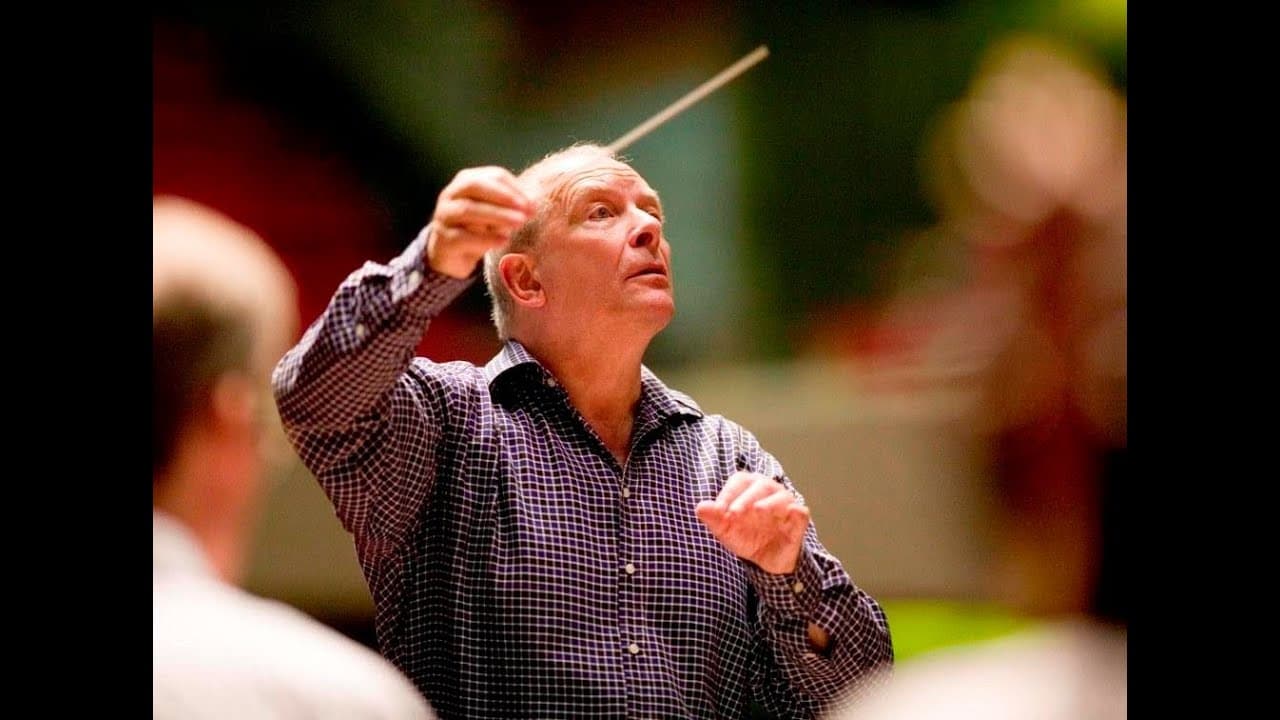
The Authenticity of Genius - Christopher Hogwood with players from the Royal Academy of Music
TL;DR
A lecture explores the concept of genius and prodigy in the context of music, using Mendelssohn as an example.
Transcript
hello good afternoon you see I have um arrived with eight accomplices today um all named on the program sheet um you know what we're aiming at but I should just tell you perhaps how we arrived at this and the purpose the as you know the overriding theme of all um the lectures these six lectures this year are is the theme of authenticity we've done ... Read More
Key Insights
- 🤔 Authenticity of genius in music involves innovative thinking, surprising people, and achieving continuous success.
- ❓ The concept of inspiration is elusive and varies among composers, with no clear recipe for its attainment.
- 🧡 Mendelssohn is presented as a genius composer due to his early talent, wide-ranging skills, and continuous self-criticism.
- 💯 Mendelssohn's Octet stands as a testament to his originality, perfect execution, and ability to create new musical styles.
- 🙂 The skerzo movement in Mendelssohn's Octet showcases his unique style, combining light, pianissimo playing with fragments of music in an experimental manner.
Install to Summarize YouTube Videos and Get Transcripts
Explore YouTube Video Summarizer or Get YouTube Transcript Extractor
Questions & Answers
Q: How do composers find inspiration?
The lecturer argues that inspiration varies among composers, some finding it through walks in nature or extemporizing at the keyboard. However, there is no one-size-fits-all approach, and each composer has their own method of finding inspiration.
Q: Are there any composers who further developed Mendelssohn's style?
While Mendelssohn's skerzo style influenced other composers, no one has successfully imitated it. It remains a unique contribution to music.
Q: How do the musicians in the ensemble interact without a conductor?
The ensemble relies on their individual connections and familiarity with each other's playing to create musical interactions. Eye contact and non-verbal communication help guide the ensemble during the performance.
Q: Do composers undergo continuous self-criticism of their work?
Yes, many composers have a strong sense of self-criticism and strive for perfection. They often revise and adapt their compositions to ensure they meet their own standards of quality.
Summary & Key Takeaways
-
The lecture explores the theme of authenticity and focuses on the stage before a musical composition hits paper, discussing the concept of inspired prodigy or genius composers.
-
The lecturer presents Felix Mendelssohn as a candidate for genius, discussing his early talent, wide-ranging skills, and continuous self-criticism.
-
The lecture highlights Mendelssohn's Octet as a standout work that showcases his unique and innovative style, particularly in the skerzo movement.
-
The performance of Mendelssohn's Octet by the musicians exemplifies the musical interactions and dynamics within the ensemble.
Read in Other Languages (beta)
Share This Summary 📚
Summarize YouTube Videos and Get Video Transcripts with 1-Click
Try YouTube Summary with ChatGPT & Claude or YouTube Transcript Generator
Explore More Summaries from Gresham College 📚


Summarize YouTube Videos and Get Video Transcripts with 1-Click
Try YouTube Summary with ChatGPT & Claude or YouTube Transcript Generator