How to Use Indonesian Body Language
TL;DR
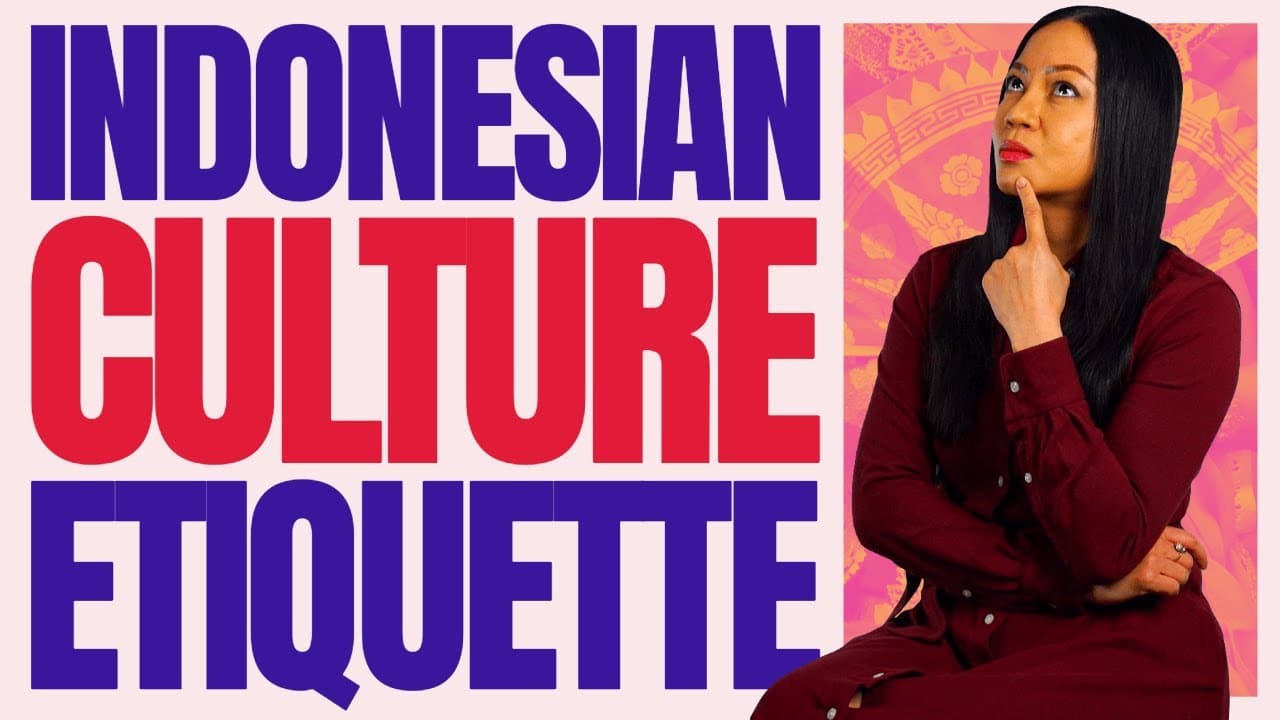
Understanding Indonesian body language is crucial for effective communication and cultural integration. Key gestures include formal greetings, handshakes, and non-verbal cues for emotions like apology or frustration. Mastering these gestures helps in blending into the culture and making interactions more hospitable, enhancing your overall experience in Indonesia.
Transcript
expand your vocabulary with our core 2000w ebook it's free and packed with essential Expressions that you'll use on a daily basis start building your vocabulary today click the link in the description below to download your free Indonesian ebook before it's G IND Hotel Indonesia for for KAS indones for wait before we start do you want a bundle of 3... Read More
Key Insights
- Indonesian culture is rich and diverse, making non-verbal communication essential.
- Formal greetings in Indonesia involve a simple hand wave with the right palm facing front.
- Casual greetings can include 'hey' and adding 'aabar' for a warm touch.
- Intimate greetings involve a cheek-to-cheek gesture called 'Chi'.
- There are four types of handshakes, ranging from formal to intimate, each with cultural significance.
- Pointing with the index finger is considered offensive; use the right palm or thumbs-up gesture instead.
- Common gestures include thumbs up for approval and rubbing fingers for money.
- Negative gestures like pointing to the forehead can indicate craziness or frustration.
Install to Summarize YouTube Videos and Get Transcripts
Explore YouTube Video Summarizer or Get YouTube Transcript Extractor
Questions & Answers
Q: How do you greet someone formally in Indonesia?
To greet someone formally in Indonesia, you simply say 'hello' while slightly waving your right palm up front. This gesture is considered polite and is commonly used in formal settings or when meeting someone for the first time.
Q: What is the 'Salim' handshake?
The 'Salim' handshake is an intimate and respectful gesture used in Indonesia, particularly with elders or respected family members. It involves taking the other person's right hand and bringing it to your mouth, nose, or forehead while slightly bowing. This shows deep respect and is reserved for special occasions.
Q: Why is pointing with the index finger considered offensive in Indonesia?
Pointing with the index finger is considered offensive in Indonesia because it is seen as a rude gesture. Instead, it's more appropriate to use the right palm or a thumbs-up gesture when directing attention to objects or locations, which is seen as more polite and respectful.
Q: What does the thumbs-up gesture mean in Indonesian culture?
In Indonesian culture, the thumbs-up gesture is a positive sign indicating approval, agreement, or that something is good or excellent. It is often used to express satisfaction, such as when enjoying a meal or agreeing with someone's statement.
Q: How do you apologize non-verbally in Indonesia?
To apologize non-verbally in Indonesia, bring your palms together in front of your chest and slightly bow your head. This gesture, accompanied by the word 'maaf' (meaning 'sorry'), conveys a sincere apology and is widely recognized across the country.
Q: What gesture indicates someone is crazy in Indonesia?
In Indonesia, the gesture for indicating someone is crazy involves placing the index finger in front of the forehead and slightly tilting it. This non-verbal cue is understood to mean that the person is acting irrationally or is mentally unstable.
Q: How do Indonesians express that something is easy?
Indonesians express that something is easy by making a gesture with the thumb and index finger together, flicking them slightly. This gesture is often used with the phrase 'piece of cake' to indicate that a task or problem is very easy to handle.
Q: What does the gesture of rubbing fingers together signify in Indonesia?
In Indonesia, rubbing the thumb, index finger, and middle finger together signifies money. This gesture is commonly used to indicate financial transactions or discussions involving money, and is widely understood across the country.
Summary & Key Takeaways
-
Indonesian culture heavily relies on non-verbal communication, making it vital to understand common gestures. Greetings range from formal hand waves to intimate cheek-to-cheek gestures. Handshakes vary by formality and respect level, with the 'Salim' handshake showing deep respect.
-
Pointing with the index finger is offensive in Indonesia; instead, use the right palm or thumbs-up gesture. Other gestures include thumbs up for approval, rubbing fingers for money, and various negative gestures indicating emotions like craziness or frustration.
-
Mastering these gestures enhances cultural integration and communication in Indonesia. Understanding the nuances of body language helps in creating a hospitable and respectful environment, making interactions more meaningful and enjoyable.
Read in Other Languages (beta)
Share This Summary 📚
Summarize YouTube Videos and Get Video Transcripts with 1-Click
Try YouTube Summary with ChatGPT & Claude or YouTube Transcript Generator
Explore More Summaries from Learn Indonesian with IndonesianPod101.com 📚






Summarize YouTube Videos and Get Video Transcripts with 1-Click
Try YouTube Summary with ChatGPT & Claude or YouTube Transcript Generator