Think Small to Solve Big Problems, with Stephen Dubner | Big Think
TL;DR
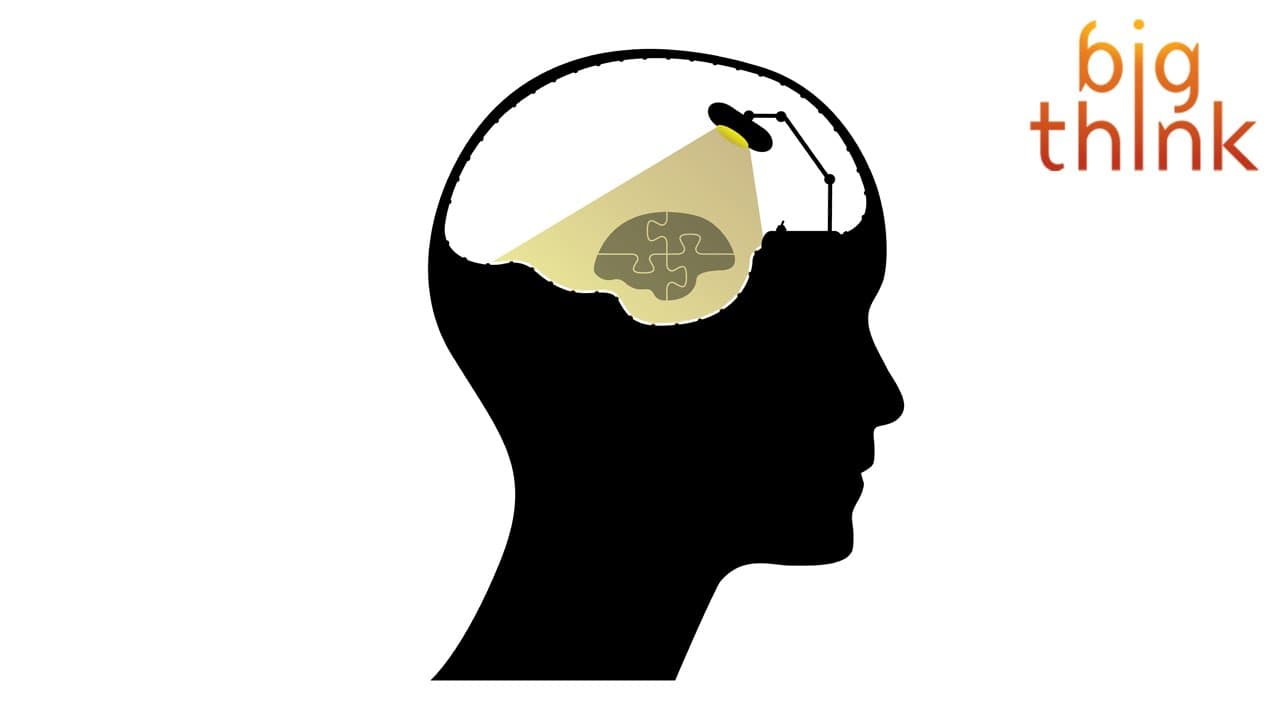
To solve big problems, focus on small solutions.
Transcript
One argument that we make is that we could all benefit a little bit from thinking more like children, okay. Now you could say well, we're -- first of all everybody's biased in a lot of ways and we have our set of biases too. It may be that we embrace the idea in this book of thinking like children because we're kind of, you know, childlike. We have... Read More
Key Insights
- 🤔 Thinking like children involves asking direct, simple questions and making obvious observations that may lead to innovative solutions.
- 😃 Big problems pose challenges due to their scale, complexity, and historical factors.
- 🥺 Focusing on small, manageable pieces of a problem can lead to more practical and effective solutions.
- 💨 Addressing smaller components of a problem can pave the way for larger, more impactful changes.
- 🤔 Innovation in problem-solving often stems from thinking small and tackling specific issues within a broader context.
- 😃 Solutions to big problems can emerge from addressing seemingly minor, overlooked details.
- 🤔 Thinking in smaller, more achievable increments can yield tangible results and progress towards larger goals.
Install to Summarize YouTube Videos and Get Transcripts
Explore YouTube Video Summarizer or Get YouTube Transcript Extractor
Questions & Answers
Q: Why does the speaker suggest thinking like children to solve big problems?
The idea is that children ask simple, direct questions and make obvious observations that adults may overlook. These straightforward approaches can lead to more effective problem-solving tactics.
Q: How does the speaker define thinking small in the context of problem-solving?
Thinking small involves breaking down a big problem into smaller, manageable components. By focusing on solving these smaller parts, individuals can make progress towards addressing larger issues more effectively.
Q: What are the risks associated with attacking big problems directly?
Big problems often have complex histories, entrenched interests, and numerous challenges. Attacking them head-on can consume significant resources with no guarantee of success, leading to wasted time, money, and effort.
Q: Can you provide an example of thinking small to address an education-related issue?
One example is the School of One program in New York City, which tailored learning experiences for each student using varied teaching methods. This approach aimed to identify and cater to individual student needs, showcasing the benefits of thinking small.
Summary & Key Takeaways
-
Encourages thinking like a child for simpler solutions to big problems.
-
Big problems face challenges due to complexity, history, and large scale.
-
Focusing on small, manageable pieces can lead to more effective problem-solving.
Read in Other Languages (beta)
Share This Summary 📚
Summarize YouTube Videos and Get Video Transcripts with 1-Click
Try YouTube Summary with ChatGPT & Claude or YouTube Transcript Generator
Explore More Summaries from Big Think 📚




Summarize YouTube Videos and Get Video Transcripts with 1-Click
Try YouTube Summary with ChatGPT & Claude or YouTube Transcript Generator