The Fed's Extreme Response to the COVID-19 Crisis (w/ Thomas Hoenig & Pedro da Costa)
TL;DR
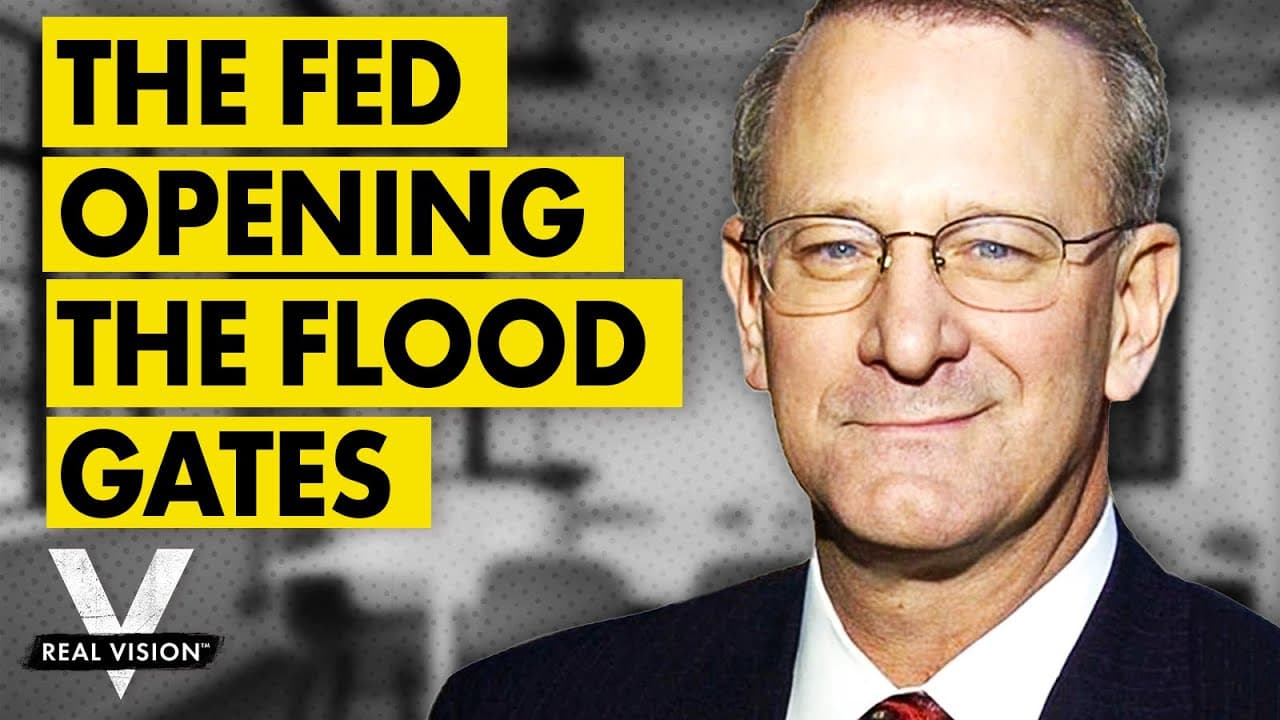
Dr. Thomas Hoenig discusses the health of the financial system, the Fed's response to the pandemic crisis, the challenge of setting a precedent, and the potential long-term effects on the economy.
Transcript
PEDRO DACOSTA: I'm Pedro DaCosta and it's my pleasure to welcome Dr. Thomas Hoenig. Tom spent all of 38 years I believe at the Federal Reserve, a very long and distinguished career. I got to know him during a little bit before actually and during the 2008 Financial Crisis in his role as Kansas City Fed chair where he was instrumental in making a lo... Read More
Key Insights
- ❓ The financial system was in a relatively healthier state before the current crisis compared to 2008.
- 🤑 The Fed's response involves the use of familiar tools, such as printing money, to provide necessary liquidity support.
- 🚨 The expansion of emergency facilities presents challenges, particularly in maintaining neutrality in the corporate bond market.
- 👨💼 The government's involvement in business will likely increase, creating long-term changes in the economy.
- 🥰 The recovery from the crisis may be slow and unlikely to result in a V-shaped recovery.
- 💗 The Fed's balance sheet is expected to grow to possibly $10 trillion in the next two years.
- ❓ The extent of the economic impact and unemployment will depend on the duration of the crisis.
Install to Summarize YouTube Videos and Get Transcripts
Explore YouTube Video Summarizer or Get YouTube Transcript Extractor
Questions & Answers
Q: Was the financial system truly healthy going into this crisis?
Dr. Hoenig believes that while the financial system was healthier than in 2008, more capital could have made it even stronger.
Q: What do you make of the Fed's response and the expansion of emergency facilities?
Dr. Hoenig sees the expansion as necessary due to the ongoing nature of the crisis and the need for liquidity support. The tools used by the Fed, such as printing money, remain the same.
Q: How does the corporate bond buying aspect pose challenges and potential distortions?
Dr. Hoenig explains that, ideally, the banking industry should provide liquidity to the corporate world, but they are unable to do so currently. The central bank steps in, but it sets a precedent and may face political pressure in the future.
Q: How does the approval process impact the Federal Reserve's intervention in the corporate bond market?
Dr. Hoenig believes that the need for Treasury approval enhances political backing and cover for the Fed's interventions, but it also compromises the Fed's independence.
Summary & Key Takeaways
-
Dr. Hoenig believes the financial system was healthier going into the current crisis compared to the 2008 financial crisis, but it could have benefited from more capital.
-
He sees the Fed's response as necessary, with the creation of money being the main tool to fund necessary support for various sectors.
-
The corporate bond buying program poses challenges to ensure it remains neutral and avoids favoring specific sectors.
Read in Other Languages (beta)
Share This Summary 📚
Summarize YouTube Videos and Get Video Transcripts with 1-Click
Try YouTube Summary with ChatGPT & Claude or YouTube Transcript Generator
Explore More Summaries from Real Vision 📚
Summarize YouTube Videos and Get Video Transcripts with 1-Click
Try YouTube Summary with ChatGPT & Claude or YouTube Transcript Generator