What Are the Early Signs of Arthritis and Bone Health Issues?
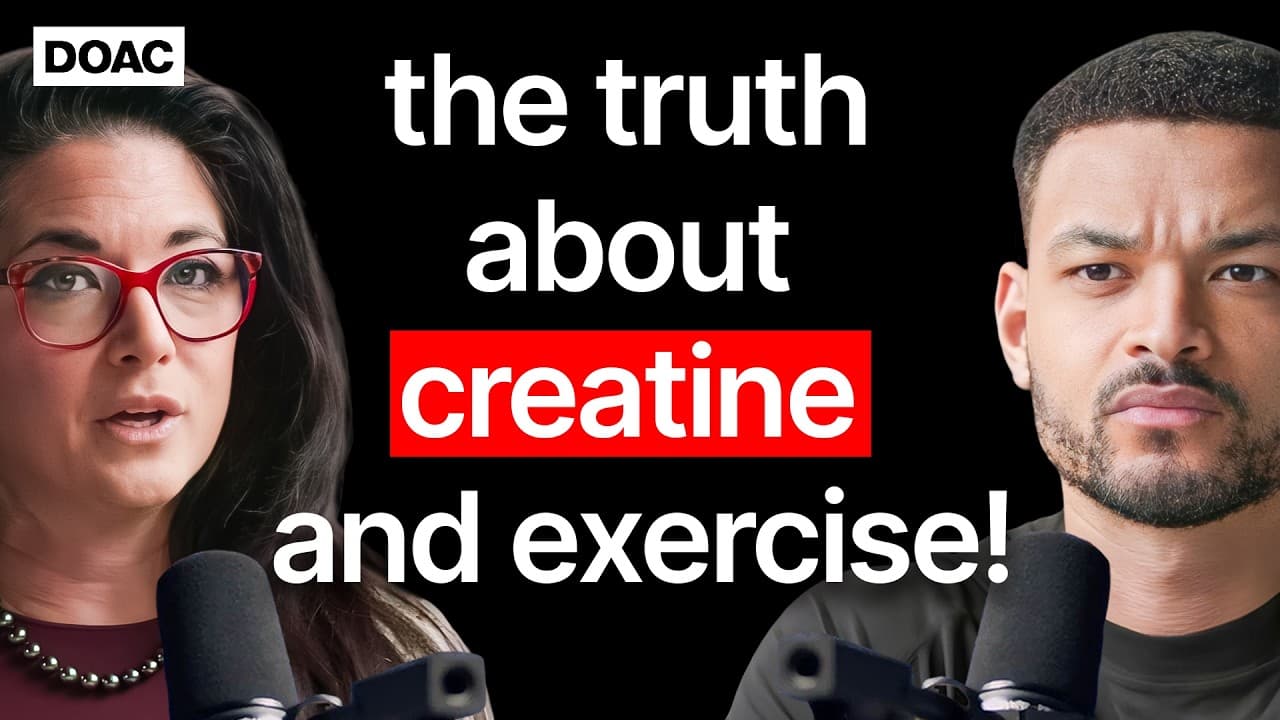
TL;DR
Early signs of arthritis may include joint pain, stiffness, swelling, and difficulty moving, often linked to underlying issues like low bone density. Maintaining bone health through weight-bearing exercises, nutrition, and understanding hormonal changes—especially in women during menopause—is crucial for preventing osteoporosis and promoting longevity.
Transcript
Runners who only run are hurt a lot and it's usually due to emotion imbalance so I always do this test to show them whether your butt muscles are strong enough to keep your pelvis straight and whether you're strong enough to keep your knee from falling into this position I look like I'm drunk or something how are you doing this with your heels on D... Read More
Key Insights
- ☠️ Youth-oriented activities like sports are essential for developing healthy bone density, as weight-bearing exercise promotes bone growth and resilience.
- 👩⚕️ Hormonal changes, particularly estrogen levels in women, critically impact bone health, necessitating awareness and potential early intervention.
- 🧑⚕️ Sedentary lifestyles significantly contribute to musculoskeletal issues; therefore, incorporating regular physical activity is vital for maintaining overall health and preventing chronic disabilities.
- ☠️ Nutrition plays a key role in bone health, with specific vitamins and minerals being crucial for maintaining bone density.
- 🤩 Individualized approaches to health—incorporating tailored exercise and nutrition plans—are key for optimizing longevity and functionality in later years.
- 🧑⚕️ Family history and early health screenings can provide insights into future bone health, allowing proactive management of potential issues.
- 🧑⚕️ Addressing mental and emotional health is as important as physical health, as mindset can drastically influence health outcomes and behaviors.
Install to Summarize YouTube Videos and Get Transcripts
Explore YouTube Video Summarizer or Get YouTube Transcript Extractor
Questions & Answers
Q: What is the relationship between bone health and cognitive function?
Bone health significantly influences cognitive function through proteins like osteocalcin, released by bones. Osteocalcin not only promotes bone density but also interacts with brain functions, assisting in neuroprotection and cognitive health. Low bone density has been linked to cognitive decline, suggesting that maintaining bone strength may help prevent issues like Alzheimer’s.
Q: How can one effectively prevent osteoporosis as they age?
Preventing osteoporosis primarily involves engaging in weight-bearing exercises to promote bone density, ensuring adequate calcium and vitamin D intake, and potentially utilizing hormone replacement therapy during menopause. Regular bone density screenings can help identify issues early, allowing for proactive measures.
Q: What is the critical decade for maintaining health in women?
The critical decade for women’s health occurs between 35 and 45 years of age when hormonal changes begin to significantly impact health. Early awareness and intervention during this period can establish lifelong health and bone density, preventing later-life complications.
Q: Why is strength training emphasized for older adults?
Strength training is vital for older adults as it helps combat sarcopenia, the loss of muscle mass, which can lead to increased frailty and higher fall risk. Regular resistance training promotes muscle density, enhances functional independence, and significantly contributes to overall longevity.
Q: What dietary components are essential for maintaining bone density?
A diet rich in calcium, vitamin D, and magnesium is crucial for bone health. Foods like dairy, leafy greens, and fortified products, along with regular protein intake, support muscle and bone integrity, preventing conditions such as osteoporosis.
Q: What can individuals do to improve their resilience against injuries?
Building resilience involves a combination of strength training, flexibility exercises, balance work, and proper nutrition. Engaging in activities that promote core strength and stability can significantly reduce injury risk and enhance overall physical performance.
Q: What role does mindset play in maintaining health as one ages?
Mindset is crucial in aging healthily. A positive attitude towards aging, proactive engagement in physical activities, and commitment to self-care can significantly influence overall health outcomes, making individuals more likely to embrace lifestyle changes necessary for longevity.
Q: How does estrogen influence muscle and bone health in women?
Estrogen plays a significant role in bone and muscle health in women by regulating the activity of cells responsible for bone breakdown and growth. A decline in estrogen levels during menopause can lead to rapid bone loss and decreased muscle mass, highlighting the need for lifestyle interventions during this period.
Summary & Key Takeaways
-
Dr. vond Wright emphasizes the importance of bone density and muscle strength, especially for aging individuals, as many suffer from osteoporosis and functional decline. Physical activities, particularly weight-bearing exercises, are crucial for maintaining health.
-
The discussion highlights the impact of hormones, especially estrogen, on bone health, particularly in women experiencing menopause. Strategies for hormone replacement and lifestyle adjustments are suggested to prevent bone degradation.
-
The importance of personalized health approaches is underscored, incorporating nutrition and physical activity tailored to individual needs and conditions to enhance overall longevity and prevent chronic diseases.
Read in Other Languages (beta)
Share This Summary 📚
Summarize YouTube Videos and Get Video Transcripts with 1-Click
Try YouTube Summary with ChatGPT & Claude or YouTube Transcript Generator
Explore More Summaries from The Diary Of A CEO 📚






Summarize YouTube Videos and Get Video Transcripts with 1-Click
Try YouTube Summary with ChatGPT & Claude or YouTube Transcript Generator