Article 13 Ransomware #SaveYourInternet
TL;DR
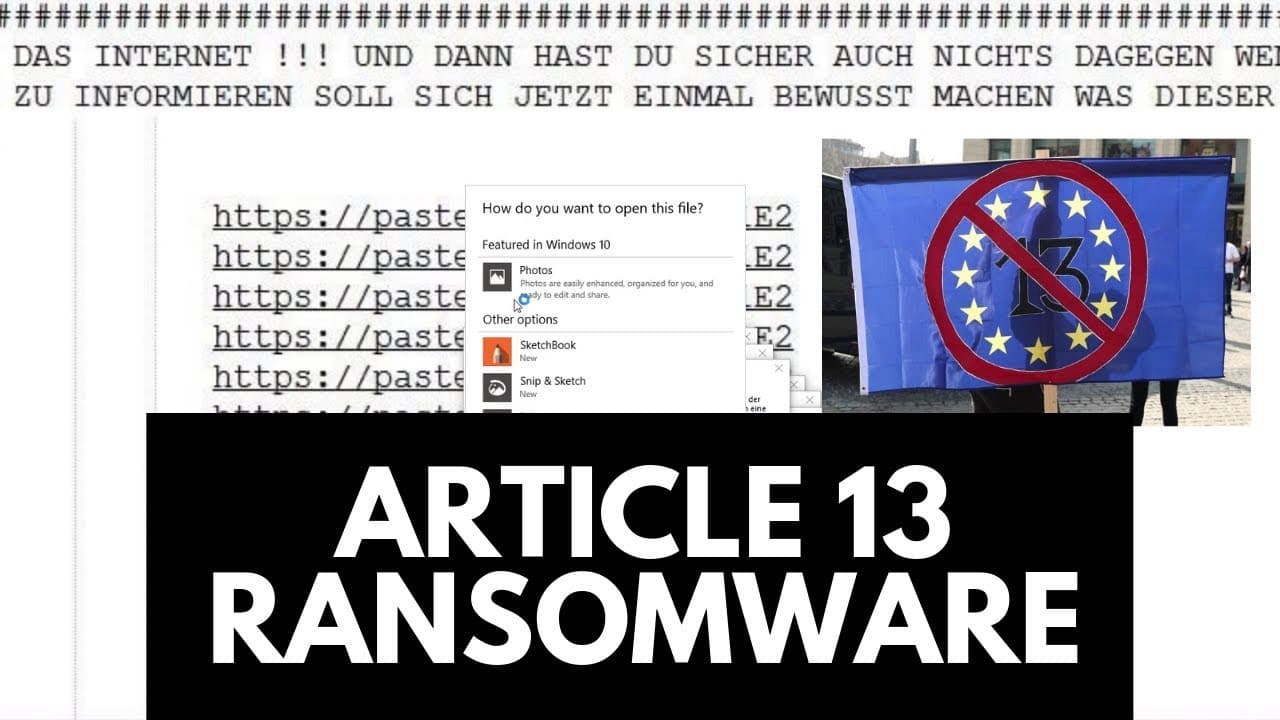
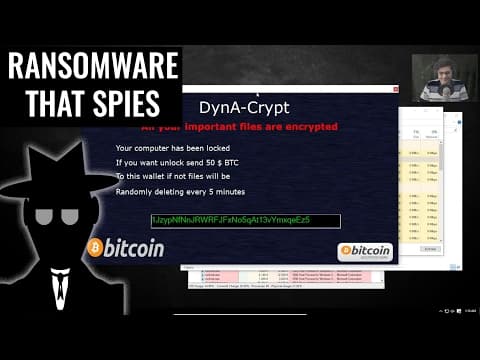
Ransomware arises as a protest against the European Union's Article 13, which holds platforms like YouTube accountable for copyright issues, but the consequences are damaging for unsuspecting users and content creators.
Transcript
hello and welcome to the PC security channel as you can probably tell at this point it takes a new ransomware to inspire me to make a video but we have it and article 13 'is controversial copyright law is to blame well that's what the Ransom or developer says if you're not aware the European Union is about to pass a law which essentially requires c... Read More
Key Insights
- ❎ Article 13 would make platforms like YouTube legally responsible for copyright issues, but it also brings potential negative consequences for content creators.
- 💁 Ransomware is being used as a misguided form of protest against Article 13, causing harm to unsuspecting users.
- 👮 The combination of Article 13 and ransomware highlights the need for balanced copyright laws that protect creators without stifling innovation.
- 🧑🏭 Protests against Article 13 are occurring, with Anonymous and other groups opposing the law through strikes and acts of disruption.
- 👤 The use of ransomware as a protest tool can create a negative image of tech-savvy users, potentially hindering legitimate concerns and discussions about online platforms.
- 🐢 Ransomware analyzed in the video demonstrates its destructive capabilities, slowing down systems and encrypting files.
- 💪 The behavior of the ransomware highlights the need for strong cybersecurity measures and user education to prevent widespread harm.
Install to Summarize YouTube Videos and Get Transcripts
Explore YouTube Video Summarizer or Get YouTube Transcript Extractor
Questions & Answers
Q: How does Article 13 affect platforms like YouTube?
Article 13 would hold platforms like YouTube legally responsible for copyright issues, which means they would need to extensively moderate and scrutinize user-uploaded content.
Q: Why are protests and opposition occurring against Article 13?
Many argue that Article 13 would hinder freedom of expression and impose excessive responsibility on platforms, potentially leading to over-flagging, delays, and negative impacts on content creators.
Q: Why are protests against Article 13 using ransomware as a form of protest?
Some groups, like Anonymous, see ransomware as a way to disrupt and protest against Article 13. However, this approach can lead to unintended consequences, such as infecting devices and causing harm to unsuspecting users.
Q: What are the potential implications of ransomware used as a protest against Article 13?
Using ransomware as a form of protest can harm individuals who have no connection to the law or its implementation. It also allows critics to paint tech-savvy users as unruly and crazy, damaging the reputation of those concerned about their platforms.
Summary & Key Takeaways
-
The European Union is set to pass Article 13, requiring platforms like YouTube to moderate content for copyright issues, sparking protests and opposition from various groups.
-
Ransomware, such as the one analyzed in the video, is being used as a form of protest against Article 13 but ends up infecting users' devices and causing chaos.
-
The combination of Article 13 and ransomware creates a controversial situation with potential negative consequences for content creators and unsuspecting users.
Read in Other Languages (beta)
Share This Summary 📚
Summarize YouTube Videos and Get Video Transcripts with 1-Click
Try YouTube Summary with ChatGPT & Claude or YouTube Transcript Generator
Explore More Summaries from The PC Security Channel 📚
Summarize YouTube Videos and Get Video Transcripts with 1-Click
Try YouTube Summary with ChatGPT & Claude or YouTube Transcript Generator