How to Bulk and Cut for Muscle Gain and Fat Loss
TL;DR
To bulk effectively, aim for a caloric surplus of 300 to 800 calories while maintaining high protein intake to gain muscle with minimal fat. For cutting, create a caloric deficit of 300 to 800 calories to lose fat with minimal muscle loss, ensuring to track your caloric maintenance for precise adjustments. Understanding the mental and training aspects of these phases is crucial for sustainable results.
Transcript
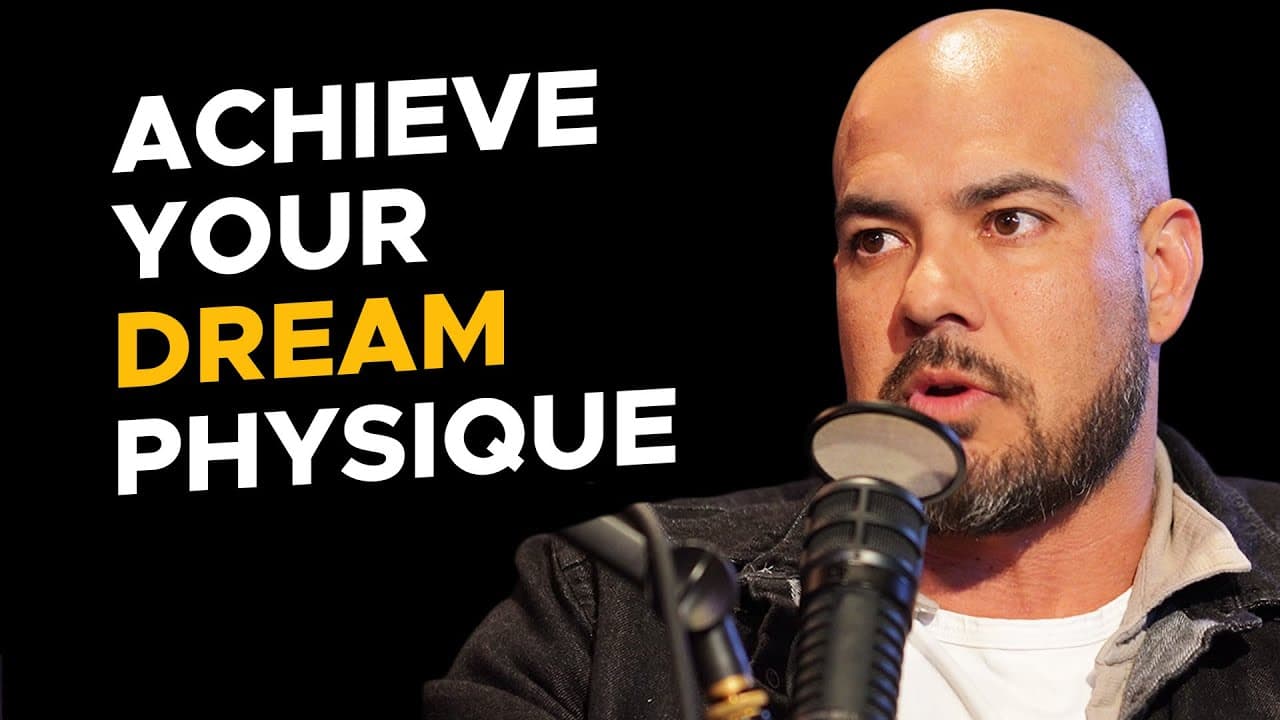
this is bodybuilding 101 today's topic bulking and cutting how to do either one let's go yeah let's do it let's go this uh you know popular topic it is and just like I'm going to go get a sandwich going work on my bulking while you guys figure this out get some cof no you know I want to I want to talk uh specifically around the CU as you think abou... Read More
Key Insights
- Bulking and cutting are often misunderstood, with many myths surrounding their execution, particularly regarding the combination of training and diet.
- Bodybuilders often engage in extreme bulking and cutting, which can lead to plateaus and difficulty in improving stage performance.
- Athletes and average individuals can benefit from understanding bulking and cutting principles to gain or lose size while maintaining or improving performance.
- Bulking aims to gain muscle with minimal fat gain, while cutting focuses on losing fat with minimal muscle loss, both requiring high protein intake.
- Tracking maintenance calories is crucial for determining the appropriate caloric surplus or deficit for bulking or cutting.
- Training strategies for bulking and cutting are often done incorrectly, with individuals increasing workout intensity during cuts and reducing it during bulks.
- Mental hurdles are significant in bulking and cutting, with individuals often struggling with body image and the psychological impact of weight changes.
- Objective measurements like body fat percentage, circumference, and performance in the gym are essential for assessing progress during bulking and cutting.
Install to Summarize YouTube Videos and Get Transcripts
Explore YouTube Video Summarizer or Get YouTube Transcript Extractor
Questions & Answers
Q: What are the common myths about bulking and cutting?
Common myths include the belief that extreme bulking and cutting are necessary for success, and that the process is simple. Many people misunderstand the importance of combining proper training with diet, often leading to ineffective results and plateaus. The episode aims to dispel these myths by providing a more nuanced understanding of the process.
Q: How do bulking and cutting apply to athletes?
Athletes can use bulking and cutting principles to gain or lose size while maintaining or improving performance. For some sports, gaining size with strength can be advantageous, while in others, losing size without sacrificing performance is key. Understanding these principles helps athletes achieve their goals sustainably.
Q: What is the importance of tracking maintenance calories?
Tracking maintenance calories is crucial for determining the appropriate caloric surplus or deficit needed for bulking or cutting. By knowing their maintenance level, individuals can make informed decisions about how much to increase or decrease their caloric intake to achieve their desired goals efficiently.
Q: How should training strategies differ between bulking and cutting?
Training strategies should not increase intensity during cuts or decrease it during bulks, as commonly misunderstood. During bulking, individuals can handle more volume and intensity due to extra calories, while during cutting, the focus should be on maintaining muscle with less volume to avoid overtraining.
Q: What are the psychological challenges of bulking and cutting?
Psychological challenges include dealing with body image issues and the mental impact of weight changes. Individuals who bulk may struggle with gaining fat, while those cutting may feel anxious about losing muscle. These hurdles can lead to overcorrecting and derailing progress if not managed properly.
Q: Why are objective measurements important in bulking and cutting?
Objective measurements like body fat percentage, circumference, and gym performance provide a clear picture of progress, helping individuals avoid relying on subjective feelings that can mislead them. These metrics ensure that changes in weight are understood in the context of muscle and fat changes.
Q: When should someone stop bulking or cutting?
Stopping a bulk is advised when muscle gain halts and fat gain increases, or when eating becomes a chore. For cutting, signs include declining gym performance, low libido, fatigue, and obsessive thoughts about food. Monitoring these indicators helps decide when to reverse or adjust the process.
Q: How can bulking and cutting plateaus be addressed?
Plateaus in bulking can be addressed by introducing a small deficit to reset appetite and metabolism, while cutting plateaus can benefit from a brief bulking phase to boost metabolism. This strategic adjustment helps break through stagnation and promotes continued progress toward goals.
Summary & Key Takeaways
-
The episode delves into the common myths and misconceptions surrounding bulking and cutting, emphasizing the importance of combining proper training and diet strategies. It highlights the challenges faced by bodybuilders and athletes in managing these phases effectively.
-
Bulking and cutting are defined, with bulking aiming for muscle gain with minimal fat and cutting focusing on fat loss with minimal muscle loss. High protein intake is crucial for both, and tracking maintenance calories is vital for determining the right caloric surplus or deficit.
-
Training strategies are often misapplied, with individuals increasing workout intensity during cuts and reducing it during bulks. Mental hurdles and the psychological impact of weight changes are discussed, emphasizing the need for objective measurements to assess progress.
Read in Other Languages (beta)
Share This Summary 📚
Summarize YouTube Videos and Get Video Transcripts with 1-Click
Try YouTube Summary with ChatGPT & Claude or YouTube Transcript Generator
Explore More Summaries from Mind Pump Show 📚
Summarize YouTube Videos and Get Video Transcripts with 1-Click
Try YouTube Summary with ChatGPT & Claude or YouTube Transcript Generator