The Importance of Social Security Across the Population
TL;DR
Social Security plays a crucial role in addressing poverty among the elderly and providing insurance against outliving assets, but it fails to adequately support low-income workers and address disparities in life expectancy and economic opportunities.
Transcript
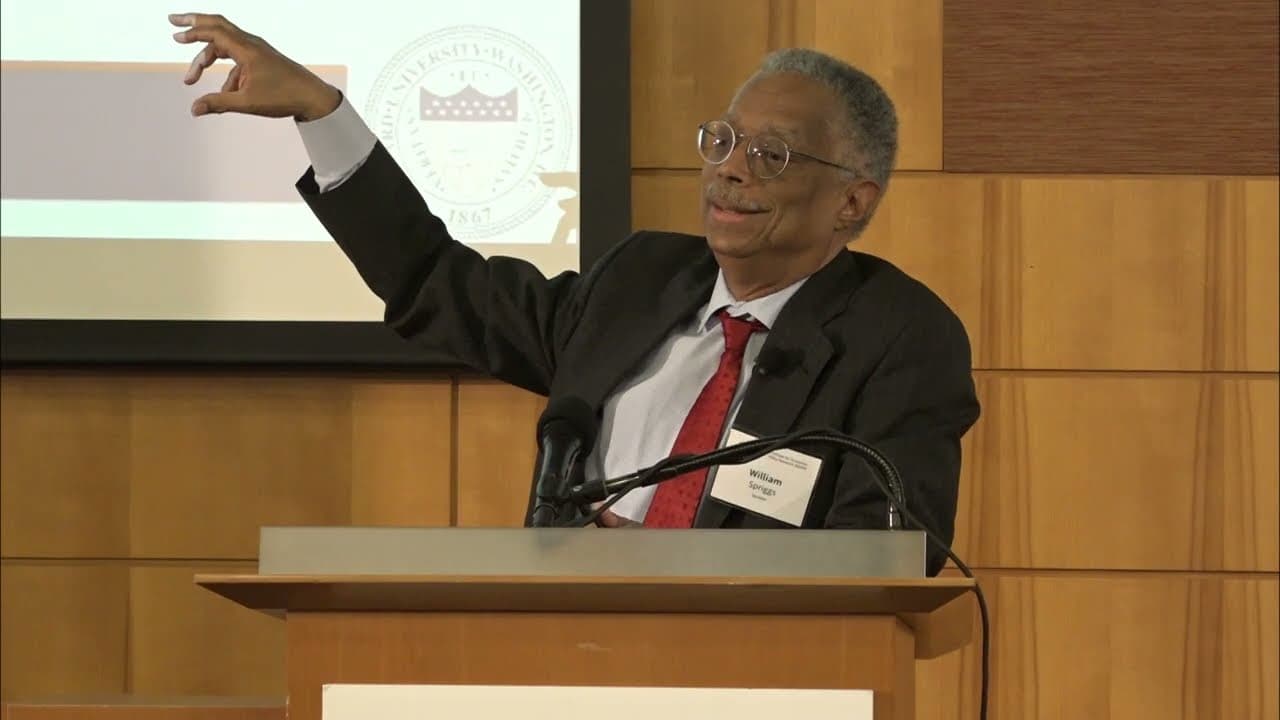
I'm going to get things started for the second session of the day so I'm very pleased to introduce my friend and colleague David Molitor uh David is an associate professor of finance and economics at the geese College of Business at the University of Illinois at Urbana-Champaign he's also a research associate at the National Bureau of economic rese... Read More
Key Insights
- ☠️ Social Security plays a crucial role in reducing poverty rates among the elderly, but it has plateaued at around 10%.
- 🥶 There is a significant income disparity among older individuals, with top earners benefiting much more from Social Security than those in the bottom quintile.
- 😘 Social Security is increasingly important for low-income workers, unmarried individuals, and minority groups.
- 🛟 Disparities in life expectancy and economic opportunities are not adequately addressed by the current Social Security system.
- 🧑⚕️ Reforms should include a more progressive benefit formula, targeted support for low-income workers, and improved health insurance coverage.
- 🙈 Social Security should be seen as an insurance program providing protection against the risk of outliving assets.
- 🛟 The spread in life expectancy and uncertainties in life spans highlight the insurance value of Social Security.
Install to Summarize YouTube Videos and Get Transcripts
Explore YouTube Video Summarizer or Get YouTube Transcript Extractor
Questions & Answers
Q: How does Social Security address the issue of inequality among different income groups?
While Social Security provides a safety net for individuals with low lifetime earnings, there is a need for a more progressive benefit formula to ensure a higher replacement rate for low-income workers.
Q: Does Social Security adequately address disparities in life expectancy and economic opportunities?
Social Security fails to fully consider disparities in life expectancy and economic opportunities, particularly for minority groups and individuals in regions with lower life expectancies. Reforms should address these disparities to provide fair and effective coverage.
Q: What impact does the current benefit formula have on poverty rates among the elderly?
The current benefit formula fails to adequately support individuals with intermittent careers or disabilities, resulting in a persistent poverty rate of around 10% among older individuals.
Q: How can Social Security be reformed to better address inequality and provide insurance against outliving assets?
Reforms should include measures such as increasing the minimum benefit, targeting low-income workers, and improving health insurance coverage to address disparities in life expectancy and economic opportunities.
Summary & Key Takeaways
-
Social Security has reduced poverty rates among the elderly, but it has plateaued at around 10%, indicating a failure to fully alleviate poverty.
-
There is a significant income disparity among older individuals, with top earners having significantly higher retirement incomes than those in the bottom quintile.
-
Social Security is increasingly important as a source of income, particularly for low-income workers, unmarried individuals, and minority groups.
Read in Other Languages (beta)
Share This Summary 📚
Summarize YouTube Videos and Get Video Transcripts with 1-Click
Try YouTube Summary with ChatGPT & Claude or YouTube Transcript Generator
Explore More Summaries from Stanford Institute for Economic Policy Research (SIEPR) 📚




Summarize YouTube Videos and Get Video Transcripts with 1-Click
Try YouTube Summary with ChatGPT & Claude or YouTube Transcript Generator