What Is the Difference Between Symmetry and Asymmetry in Design?
TL;DR
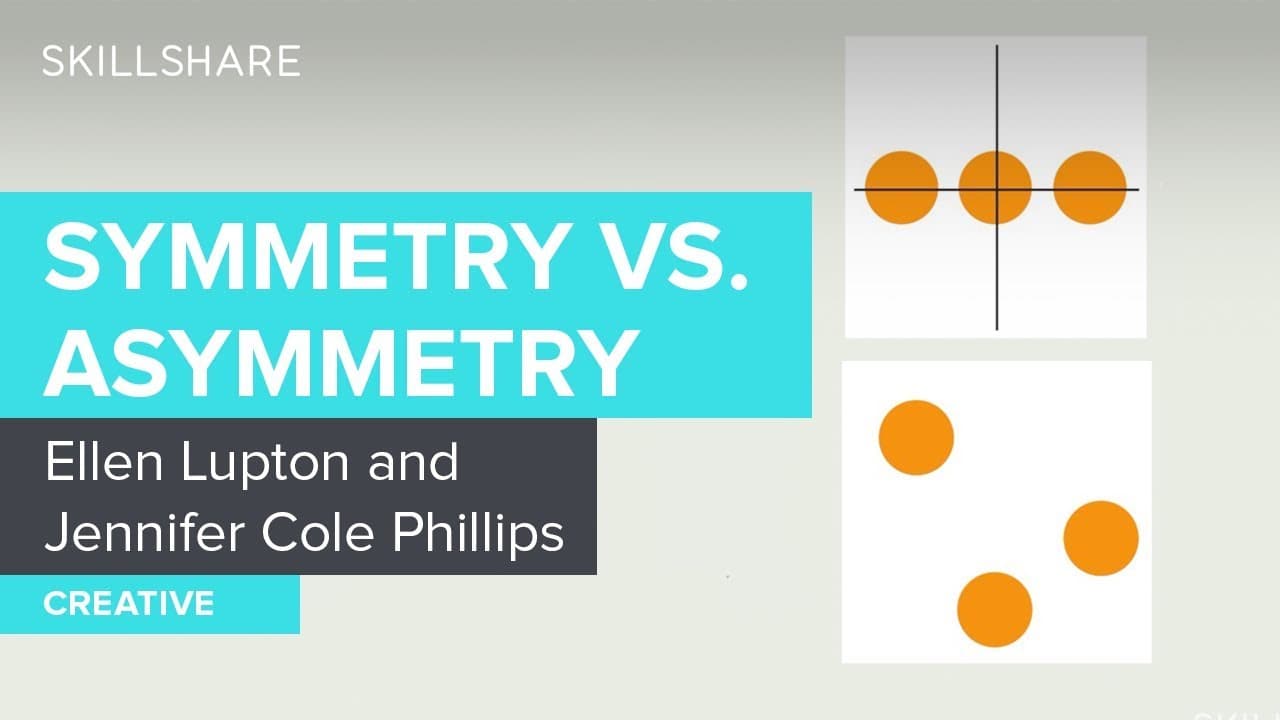
Symmetry in design contributes to stability and balance, often reflecting natural forms, while asymmetry introduces dynamism and movement by distributing elements in a way that feels balanced yet engaging. Combining both techniques can create visual tension and interest, enhancing overall composition.
Transcript
one of the designers most basic visual tools is the distinction between symmetry and asymmetry you may be surprised to discover how much you can enhance your work by harnessing this powerful distinction Ellen you love symmetry tell us why many natural organisms are symmetrical look at me I'm symmetrical my arms and legs keep me balanced a leaf grow... Read More
Key Insights
- 🎨 Symmetry in design offers stability and balance, drawing inspiration from natural organisms.
- 🎨 Asymmetry in design introduces movement and energy by dynamically distributing elements for visual interest.
- 🎨 Combining symmetrical and asymmetrical elements can create tension and engagement in design compositions.
- 🖐️ Designers can creatively utilize symmetry and asymmetry by playing with element sizes, colors, shapes, and typography.
- 😃 Dynamic asymmetry involves elements that move and change within a design, guiding the viewer's eye through the composition.
- 🎭 Centered compositions can still be dynamic by introducing drama and asymmetry through size variations and unconventional layouts.
- 🎨 Both symmetry and asymmetry can be used in design to create visually appealing and engaging compositions.
Install to Summarize YouTube Videos and Get Transcripts
Explore YouTube Video Summarizer or Get YouTube Transcript Extractor
Questions & Answers
Q: What are the advantages of symmetry in design?
Symmetry in design offers inherent balance and stability, drawing from natural organisms and historical design layouts. It provides a sense of harmony and order that is visually appealing to viewers.
Q: How does asymmetry impact design compositions?
Asymmetry in design introduces movement and energy by dynamically distributing elements to create visual interest. It encourages the viewer's eye to move organically through the page, capturing attention and engagement.
Q: Can symmetry and asymmetry be combined in design?
Yes, combining symmetrical and asymmetrical elements in design compositions can create tension and add a dynamic aspect to the layout. This combination offers a unique visual experience that balances stability and movement.
Q: How do designers utilize symmetry and asymmetry creatively?
Designers can harness symmetry and asymmetry creatively by varying element sizes, introducing contrasting colors and shapes, or playing with typography to create visually engaging compositions.
Summary & Key Takeaways
-
Symmetry in design provides balance and stability, seen in natural organisms and historical layouts.
-
Asymmetry in design creates movement and energy by distributing elements dynamically.
-
Combining symmetrical and asymmetrical elements can introduce tension and engagement in various design compositions.
Read in Other Languages (beta)
Share This Summary 📚
Summarize YouTube Videos and Get Video Transcripts with 1-Click
Try YouTube Summary with ChatGPT & Claude or YouTube Transcript Generator
Explore More Summaries from Skillshare 📚






Summarize YouTube Videos and Get Video Transcripts with 1-Click
Try YouTube Summary with ChatGPT & Claude or YouTube Transcript Generator