What Did Steve Readington Do on To Catch a Predator?
TL;DR
Steve Readington, featured in the first episode of 'To Catch a Predator,' attempted to meet a decoy he believed was a 14-year-old girl. Despite no actual child being present, he faced serious ethical and legal scrutiny, as the law holds that intent is enough for prosecution. His case reflects a disturbing lack of impulse control and moral awareness among predators.
Transcript
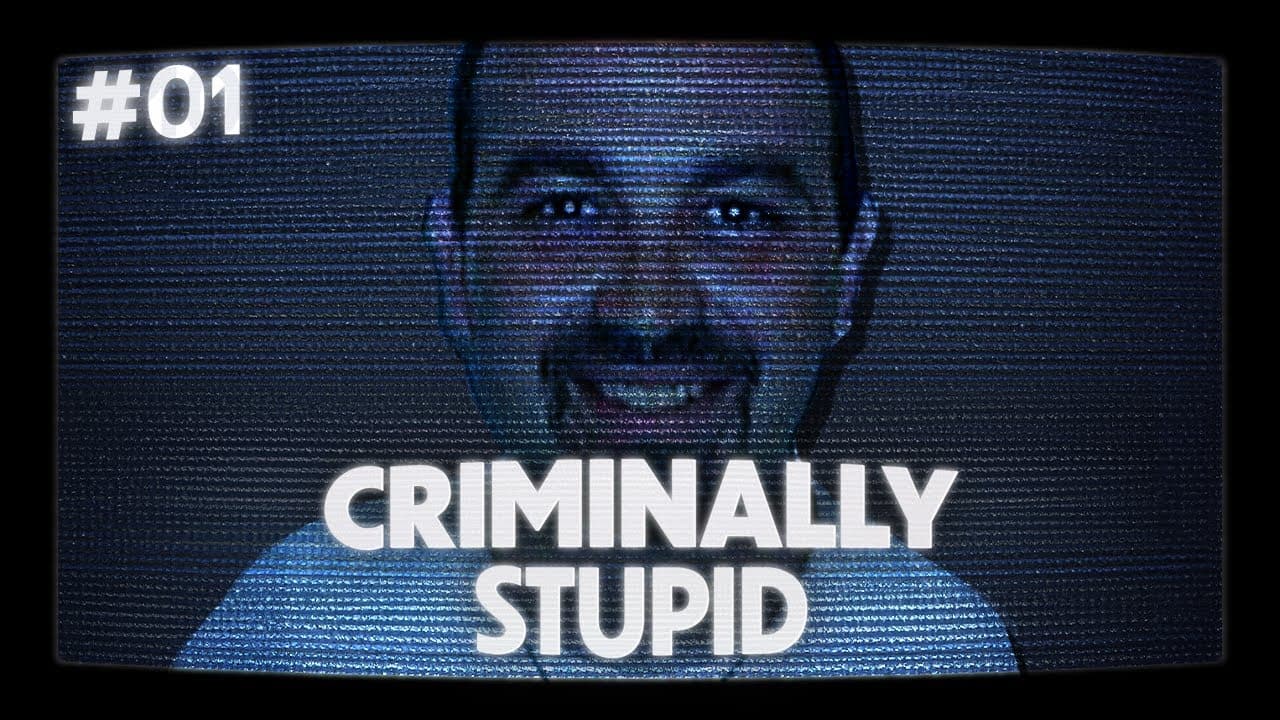
hello welcome to piles episode 1 this is Jackson joined with Ka mhm hello we are looking at our very first predator of the show a man named Steve Readington look at this man he's beautiful balding goatey he he's he's wonderful yeah we're looking at his Muk shot well not a Muk shot it seems to be cropped from a family photo he does look happy he has... Read More
Key Insights
- 💀 The show "To Catch a Predator" serves to illustrate the danger of online predators, showcasing their illegal intentions and lack of moral awareness.
- 🥹 Legal interpretations emphasize that intent matters significantly in cases of predatory behavior, holding individuals accountable even without an actual minor involved.
- 👪 Readington’s case highlights the impulsive nature of many predators who disregard societal rules and legal boundaries despite having families.
- ❓ The commentary surrounding Readington underscores the disconnect between a predator's behavior and the expectations of normal social and familial responsibilities.
- 😘 Analysis reveals a pattern among predators, who often exhibit low intelligence and poor decision-making skills during interactions with decoys.
- 👻 The hosts reflect on the haunting nature of some predators’ actions, questioning their capacity for remorse or understanding of the gravity of their crimes.
- 🤨 The lack of immediate legal consequences for Readington raises important discussions about the efficiency of law enforcement response to online child exploitation.
Install to Summarize YouTube Videos and Get Transcripts
Explore YouTube Video Summarizer or Get YouTube Transcript Extractor
Questions & Answers
Q: Who is Steve Readington and why is he significant in the show?
Steve Readington is the first featured predator on the show "To Catch a Predator." His case is significant because it launched the series' exploration into internet-based child solicitation, revealing how predators interact with decoys. His legal encounter underscored the show’s mission to expose and prevent child exploitation online.
Q: How did the structure of "To Catch a Predator" change in its early episodes?
In the early episodes, like the one featuring Readington, the production did not coordinate with local law enforcement, allowing predators to avoid arrests initially. It was not until later episodes that police were involved to ensure legal actions were taken against the offenders caught on camera.
Q: What was the nature of Readington's communications with the decoy?
Readington's conversations with the decoy included graphic discussions about sexual acts and revealed a troubling sense of entitlement over what he expected from a child. His fast decision-making to meet with the purported minor after only two hours of chatting indicated a strong impulsive behavior.
Q: Why is the legality of intent significant in Readington’s case?
The legality of intent is important because it establishes that attempting to engage with minors, regardless of whether the child was real, is a punishable offense. This highlights the legal framework surrounding child exploitation and the seriousness of the act itself, even if no actual harm was done.
Q: What insights do the hosts provide about the mindset of predators like Readington?
The hosts suggest that predators are often disconnected from reality, driven by impulsive desires, and display a lack of understanding of the implications of their actions. They believe that many predators also possess low intelligence, making them easy targets for law enforcement stings.
Q: How does the episode portray the aftermath for Readington following his exposure?
The episode indicates that Readington did not face legal repercussions and continued to live a normal life with his family. This raises questions about accountability and the potential ongoing danger these individuals may pose if they remain unchallenged and undetected by law enforcement.
Q: What was the general reaction of Readington when confronted by Chris Hansen?
When confronted by Chris Hansen, Readington attempted to assert that he knew it was a setup, displaying a flawed bravado. His reaction reflects a common defense mechanism among predators, who often try to reclaim control by downplaying their situation.
Q: What potential changes in societal perception are highlighted in the show regarding internet safety?
The discussion emphasizes the importance of educating parents and children about the risks of online interactions. The show's focus on exposing predators serves as a cautionary tale, encouraging vigilance and proactive measures against child exploitation on the internet.
Summary & Key Takeaways
-
The episode provides a detailed examination of Steve Readington, the first individual featured on "To Catch a Predator," exploring his grooming behavior and meeting with a decoy, who posed as a 14-year-old girl.
-
Key discussions include the legality of intent in sexual crimes against minors, where it is determined that the absence of a real child does not absolve the offender of guilt, emphasizing the flawed logic used by individuals like Readington.
-
The hosts reflect on the psychological aspects and the impulsive behavior of predators, stressing how despite being aware of the risks, individuals like Readington still pursue illegal actions.
Read in Other Languages (beta)
Share This Summary 📚
Summarize YouTube Videos and Get Video Transcripts with 1-Click
Try YouTube Summary with ChatGPT & Claude or YouTube Transcript Generator
Explore More Summaries from Criminally Stupid 📚






Summarize YouTube Videos and Get Video Transcripts with 1-Click
Try YouTube Summary with ChatGPT & Claude or YouTube Transcript Generator