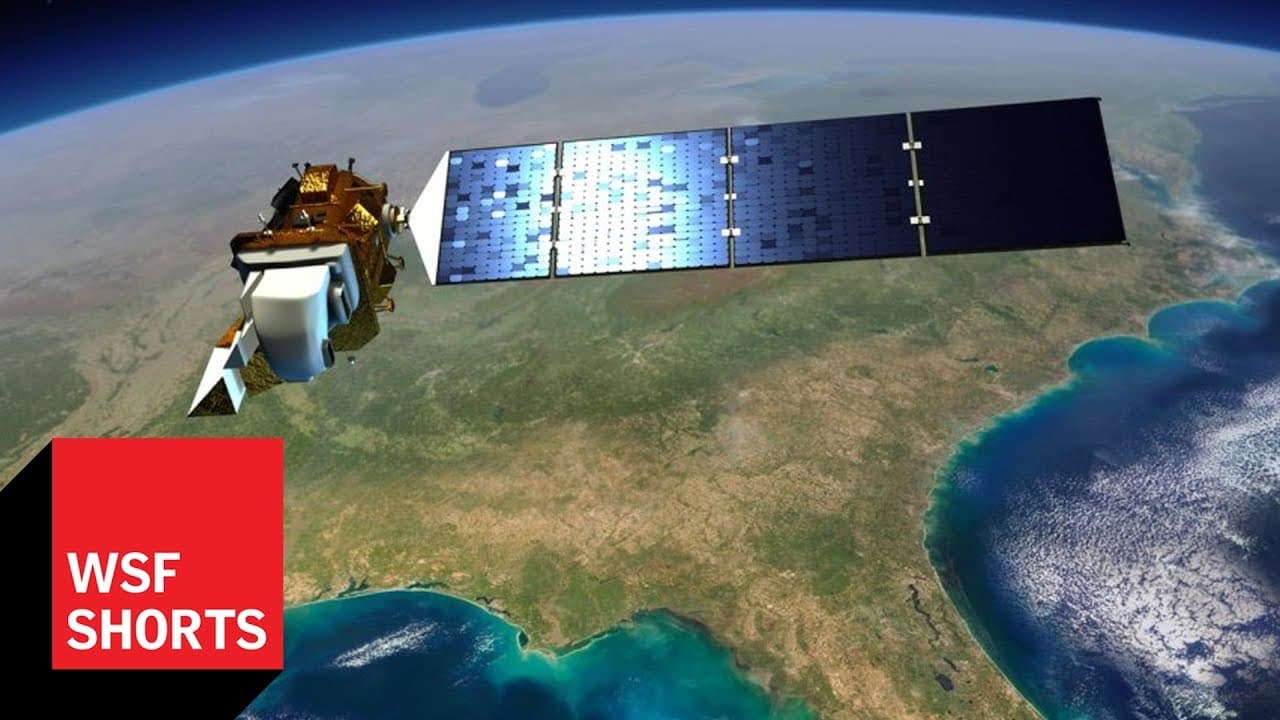
Monitoring Human Impact on Earth with Landsat 8
TL;DR
Satellite imaging allows us to observe Earth's surface and monitor changes over time, such as urban growth and climate change impacts on glaciers and forests.
Transcript
Jim I know we have a few illustrative animations and videos to talk about I think data from Landsat one of the Landsat missions yes maybe you could if we can get those up talk us through some of that and talk us through you know what what do we gain by having eyes in the sky that look back at our home planet and how do we do that well this first an... Read More
Key Insights
- 🫵 Satellite missions like Landsat provide a comprehensive view of Earth's surface, enabling the monitoring of changes and impacts caused by human activities and natural processes.
- 🥺 Urban growth, driven by increasing population and urbanization trends, puts immense pressure on infrastructure, leading to various challenges.
- 🛰️ Glaciers are experiencing significant retreat due to climate change, which is evident through satellite imaging, highlighting the urgent need for climate action.
- 🏝️ Forest disturbance, caused by activities like timber harvesting and mountaintop removal mining, affects carbon storage and atmospheric assimilation, underscoring the importance of sustainable land management practices.
Install to Summarize YouTube Videos and Get Transcripts
Explore YouTube Video Summarizer or Get YouTube Transcript Extractor
Questions & Answers
Q: How does satellite imaging allow us to observe the entire surface of the Earth?
Satellite missions like Landsat fly in polar orbits, capturing images of a hundred-mile-wide swath of Earth's surface during each orbit. Over a 16-day period, the entire surface is imaged, enabling repetitive views and analysis of intra annual changes.
Q: What are the main reasons for urban growth and its impact on infrastructure?
Urban growth primarily occurs due to increasing population and a higher proportion of people living in urban areas. This growth puts significant pressure on urban infrastructure, leading to challenges in areas like transportation, housing, and utilities.
Q: How are glaciers being affected by climate change?
Glaciers are retreating due to climate change. In Glacier National Park, the number of glaciers has reduced from 150 to fewer than 25 since 1910. Glacial retreat is evident through satellite imaging, with an average annual loss of two to three acres, showcasing the impacts of climate change on these natural features.
Q: What can satellite data reveal about forest disturbance?
Satellite data helps monitor forest disturbance, including factors like timber harvesting and mountaintop removal mining. By analyzing satellite images, we can assess the extent of forest disturbance, track changes over time, and calculate the carbon assimilated from the atmosphere, providing insight into the impacts on carbon storage.
Summary & Key Takeaways
-
Landsat missions provide data and images of Earth's surface, allowing us to observe changes and impacts caused by human activities and natural processes.
-
Using satellite imaging, we can monitor urban growth and the pressure it puts on infrastructure, as well as the retreat of glaciers in Glacier National Park due to climate change.
-
Satellite data also helps us analyze forest disturbance caused by factors such as timber harvesting and mountaintop removal mining, impacting carbon storage and atmospheric assimilation.
Read in Other Languages (beta)
Share This Summary 📚
Summarize YouTube Videos and Get Video Transcripts with 1-Click
Try YouTube Summary with ChatGPT & Claude or YouTube Transcript Generator
Explore More Summaries from World Science Festival 📚




Summarize YouTube Videos and Get Video Transcripts with 1-Click
Try YouTube Summary with ChatGPT & Claude or YouTube Transcript Generator