How Can Architecture Harmonize with Nature?
TL;DR
Architecture can harmonize with nature by incorporating organic and fluid designs inspired by natural elements like mountains, clouds, and volcanoes. This approach contrasts the traditional boxy structures, aiming to create environments where buildings blend seamlessly with their surroundings, enhancing both human experience and ecological balance.
Transcript
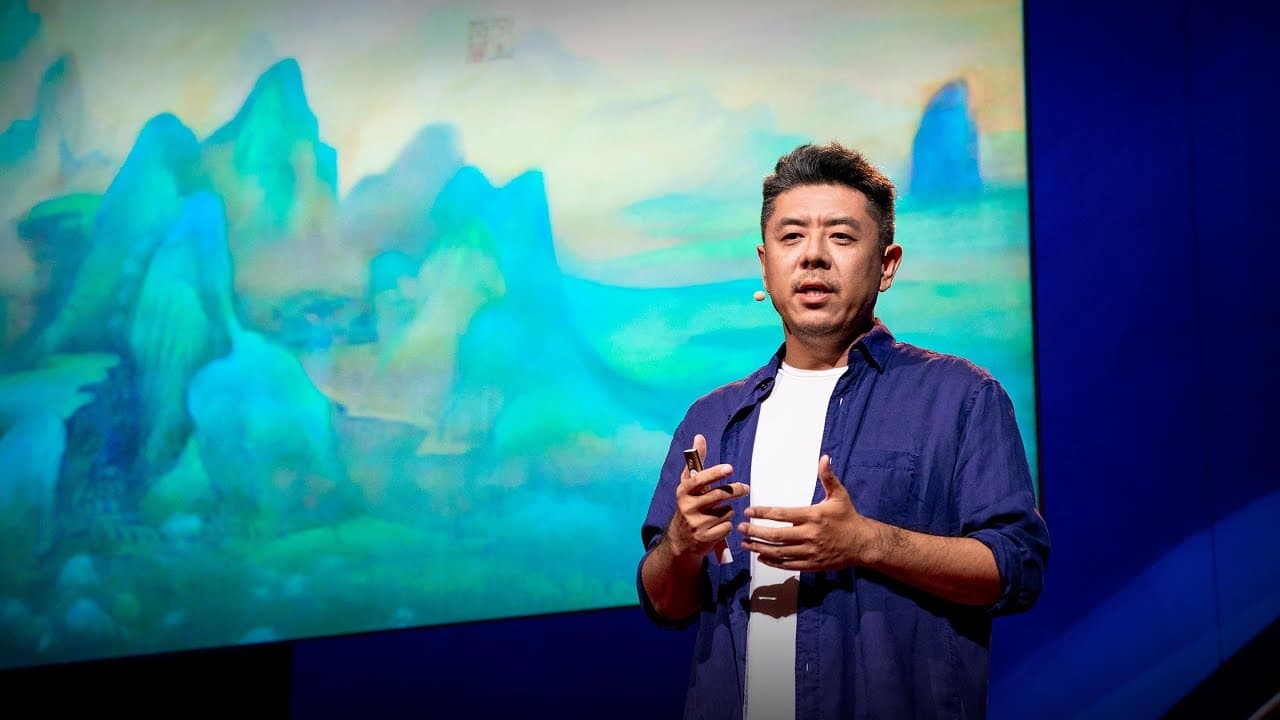
I am an architect. And this picture shows the city that I come from, Beijing, China. And old Beijing is like a very beautiful garden, you can see a lot of nature. When I was a kid, I learned to swim in this lake and I climbed mountains every day after school. But after getting older, we built more and more modern buildings. And they all look the sa... Read More
Key Insights
- ☘️ Modern buildings and cities, particularly in China, tend to have boxy shapes, reflecting a focus on density, space, and efficiency, which symbolize capital and power.
- 🐟 Cubic spaces in architecture, while cheaper and easier to make, may not be ideal for their inhabitants, as shown by research on fish behavior in cubic fish tanks.
- 🌿 Designing architecture inspired by nature, with organic and fluid spaces, can create a more harmonious and enjoyable environment for both humans and nature.
- 🏙️ Blending buildings and nature, rather than separating them, can create emotional and dramatic scenery, as seen in traditional Chinese paintings.
- 🌄 Taking inspiration from the contours of existing mountains, architecture can mimic and extend the beauty of natural settings, creating a unique and diverse skyline.
- 🎨 The clash between design ideals and contextual conformity can lead to challenges in implementing innovative architecture, requiring compromises in shape and color.
- ❄️ Architecture can be surreal and evoke curiosity when it takes on natural elements like clouds, creating a sense of mystery and inviting exploration.
- ⛰️ Architecture can transform into a landscape and land art, blurring the boundaries between built structures and the natural environment, creating harmonious environments.
Install to Summarize YouTube Videos and Get Transcripts
Explore YouTube Video Summarizer or Get YouTube Transcript Extractor
Questions & Answers
Q: Why are modern buildings and cities full of boxy shapes?
Modern buildings and cities often feature boxy shapes due to the desire for efficiency, space, and density. The need to accommodate a growing population and maximize land usage has led architects to design structures that can be easily replicated and quickly constructed. These boxy shapes have become a symbol of capital and power in many cities, reflecting the focus on practicality rather than artistic expression.
Q: How do Chinese cities approach urban planning and architecture?
Chinese cities, like Tianjin, have been heavily influenced by North American urban strategies. They are in a constant competition for space, height, and efficiency. This competition has resulted in the construction of numerous cities that, although built independently, share similar designs and architectural principles. In Chinese urban planning, this phenomenon is referred to as "1,000 cities with one face," where cities attempt to emulate successful models and repeat certain design elements.
Q: Why did the architect decide to design a new fish tank?
After observing fish in cubic fish tanks and realizing that they were not happy or suited to such environments, the architect decided to design a new fish tank that would be more organic and fluid. The fish tank was created to provide a space where the fish would feel happier and more at home. While the fish couldn't communicate their preferences, the architect believed that a more complex and natural interior would be more suitable for their well-being.
Q: How does the architect aim to combine buildings and nature in the modern city?
The architect seeks inspiration from traditional Chinese paintings that often blended nature and man-made elements in a dramatic way, creating emotional and harmonious scenery. In the modern city, the architect believes that buildings and nature should not be separated but rather combined. This can be achieved by designing buildings that mimic the shapes and geometries found in nature, integrating them into the surrounding landscape, and extending nature from parks and natural areas into the city itself.
Q: Why did the architect face challenges with their design in the real context of the city?
Despite fitting well into traditional and natural contexts in paintings, the architect faced challenges when their design didn't match the surrounding buildings in the real city context. There was pressure to modify the design, whether in terms of color or shape, to make it blend better with the existing architecture. This raised the question of whether there was something wrong with the reality and context itself, suggesting a disconnect between traditional perceptions of nature's relationship with architecture and the contemporary understanding of urban planning and design.
Q: How does the architect integrate buildings with the surrounding landscape?
The architect's approach is to make buildings part of the surrounding landscape by taking inspiration from nature and translating its contours into building shapes and geometries. This integration involves creating a variety of building shapes, sizes, and heights that fit into the natural environment. By merging the buildings with the landscape, they become an extension of nature and allow for a seamless transition from the park or surrounding areas to the built environment.
Q: What is the concept behind the Lucas Museum of Narrative Arts design?
The architect aimed to create a building that resembled a cloud because clouds are mysterious, surreal, and evoke curiosity. By designing the museum to look like a cloud, it brings this natural element into the city, sparking the desire to explore and engage with it. The elevated design also frees up space underneath, allowing for a landscape or garden area, while the rooftop can be utilized as a roof garden where visitors can enjoy panoramic views. The museum is expected to be completed in 2022 and invites everyone to visit.
Q: How does the architect aim to blur the boundary between architecture and nature?
The architect's goal is to create an environment where architecture and nature seamlessly blend, blurring the boundary between the two. By designing buildings that resemble landscapes, such as mountains or volcanoes, people can walk around and even climb these structures, treating them as part of the surrounding natural elements. The architecture itself becomes a landscape, and the spaces within the buildings, like swimming pools or other areas, incorporate natural light and views, creating an environment that reflects and respects both human and natural aesthetics.
Summary & Key Takeaways
-
The speaker is an architect from Beijing, China, who is concerned about the lack of uniqueness and connection to nature in modern buildings and cities.
-
They discuss their approach to architecture, emphasizing the importance of incorporating organic and fluid designs inspired by nature, rather than sticking to boxy and repetitive structures.
-
The speaker presents various examples of their work, including buildings that resemble mountains, clouds, and volcanoes, all aimed at blurring the boundary between architecture and nature and creating harmony between humans and their environment.
Read in Other Languages (beta)
Share This Summary 📚
Summarize YouTube Videos and Get Video Transcripts with 1-Click
Try YouTube Summary with ChatGPT & Claude or YouTube Transcript Generator
Explore More Summaries from TED 📚


Summarize YouTube Videos and Get Video Transcripts with 1-Click
Try YouTube Summary with ChatGPT & Claude or YouTube Transcript Generator