Jim Chuchu: Why are stolen African artifacts still in Western museums? | TED
TL;DR
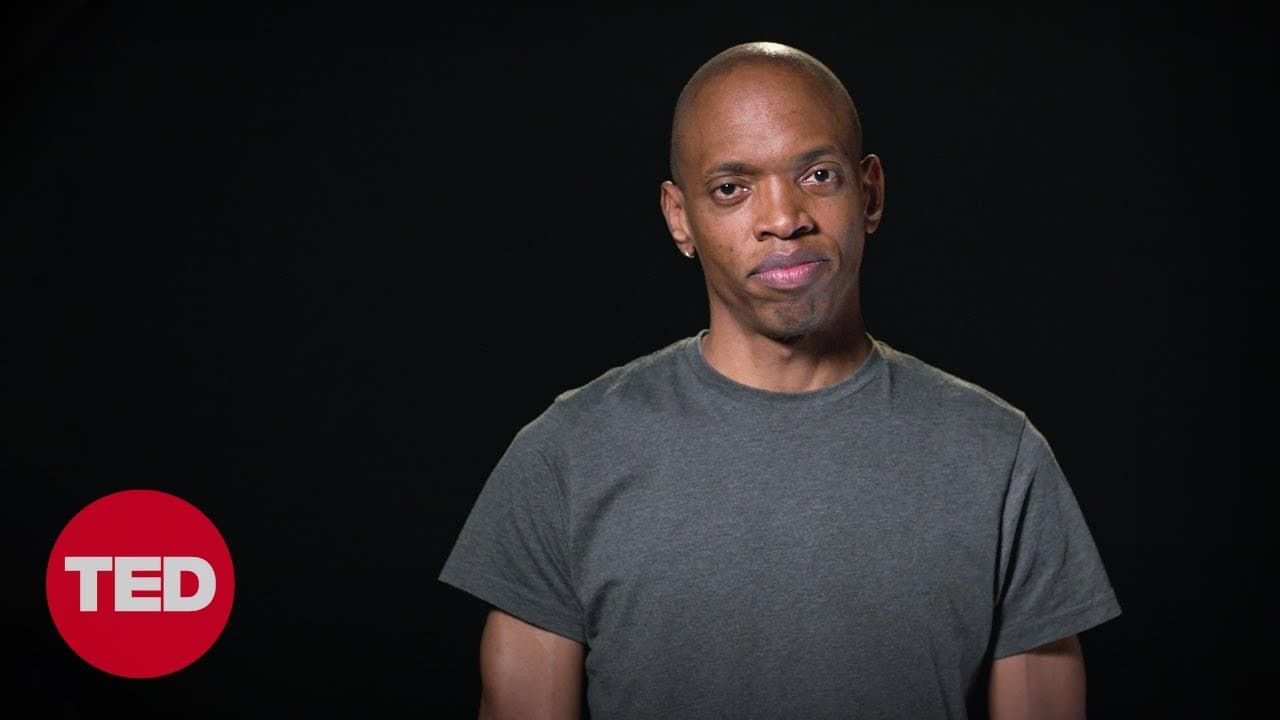
This content explores the loss of African cultural objects and the efforts to document and retrieve them, urging institutions to reconsider their collections and return objects to their rightful communities.
Transcript
If you live in New York or London or some other so-called cultural capital, it’s likely that you visited an art museum that features a collection of African art. These collections usually consist of masks and sculptures, but also include weapons and ceremonial dress, cutlery, jewelry, and even toys. These objects are markers of traditions and cult... Read More
Key Insights
- 🌍 African cultural objects, such as masks, sculptures, weapons, and ceremonial dress, are markers of traditions and cultural beliefs, but many have been looted, confiscated, or stolen. (Topic: African cultural objects)
- 🏛️ 90 percent of sub-Saharan Africa's cultural legacy is currently housed outside the continent, causing a significant loss of religions, spiritual practices, kingdoms, heroes, music, crafts, languages, and stories. (Topic: Loss of cultural heritage)
- 🔎 The International Inventories Programme aims to create a database of Kenyan cultural objects held outside the country, facilitating the identification of missing objects and their locations. (Topic: Database creation)
- 🌍 Many other institutions in sub-Saharan Africa have also experienced the extraction of cultural objects, with 46 countries affected. (Topic: Extent of cultural extraction)
- 💻 The database will be published online, enabling community leaders, teachers, researchers, and citizens to access the data and locate missing objects. (Topic: Accessibility of data)
- 🌍 Similar initiatives across Africa and Asia are also working on preserving their cultural heritage and urging institutions in North America and Europe to rethink the morality of their collections. (Topic: Global initiatives)
- 🏛️ Institutions are requested to label their collections truthfully, account for the violent histories of certain objects, return improperly acquired objects, and trust African museums to store cultural objects. (Topic: Moral responsibility and repatriation)
- 🧭 Collective memory through cultural objects is essential for a collective identity, thus emphasizing the significance of repatriation and preservation efforts. (Topic: Importance of collective memory)
Install to Summarize YouTube Videos and Get Transcripts
Explore YouTube Video Summarizer or Get YouTube Transcript Extractor
Questions & Answers
Q: Why are African cultural objects housed outside of the African continent?
According to a 2018 report, 90 percent of sub-Saharan Africa's material cultural legacy is housed outside the African continent. This is because many objects were bought by traders and tourists, exchanged as gifts, or excavated in archaeological digs. However, a significant number of objects were looted during raids, confiscated by colonial forces, and stolen at gunpoint.
Q: What are the consequences of losing so many African cultural objects?
When a society loses a significant number of its cultural objects, it means losing its religious and spiritual practices, forgetting the names of kingdoms and heroes, and even forgetting music, crafts, and languages. It results in forgetting the stories that define their identity. As a consequence, societies may adopt other people's religions, overlook indigenous foods, and mistakenly believe that other societies have richer cultures.
Q: How did the International Inventories Programme contribute to addressing the issue of missing African cultural objects?
The International Inventories Programme, co-founded by The Nest Collective, began creating a database of Kenyan cultural objects held outside the country. They reached out to museums across North America and Europe, collecting data on over 32,000 objects. This initiative also hosted public debates, created exhibitions, and worked towards publishing the database online to make the information accessible.
Q: What are the requests and hopes of initiatives like the International Inventories Programme?
Initiatives like the International Inventories Programme aim to urge institutions in North America and Europe to reconsider the morality of their collections. They request institutions to label their collections more truthfully, taking into account the violent histories behind some objects. Moreover, they ask for the return of improperly acquired objects to the communities that need them. These initiatives also advocate for trust in African museums to store objects on behalf of the people of Africa, promoting a collective memory and identity.
Summary & Key Takeaways
-
African cultural objects, including masks, sculptures, weapons, and ceremonial dress, are often housed in museums outside of Africa, leading to a loss of cultural memory and identity.
-
The International Inventories Programme was created to document and locate Kenyan cultural objects held in museums worldwide, with the goal of returning them to their rightful communities.
-
Similar initiatives in Africa and Asia are hoping to provoke institutions in North America and Europe to reevaluate the morality of their collections, label them truthfully, and return improperly acquired objects to their communities.
Read in Other Languages (beta)
Share This Summary 📚
Summarize YouTube Videos and Get Video Transcripts with 1-Click
Try YouTube Summary with ChatGPT & Claude or YouTube Transcript Generator
Explore More Summaries from TED 📚





Summarize YouTube Videos and Get Video Transcripts with 1-Click
Try YouTube Summary with ChatGPT & Claude or YouTube Transcript Generator