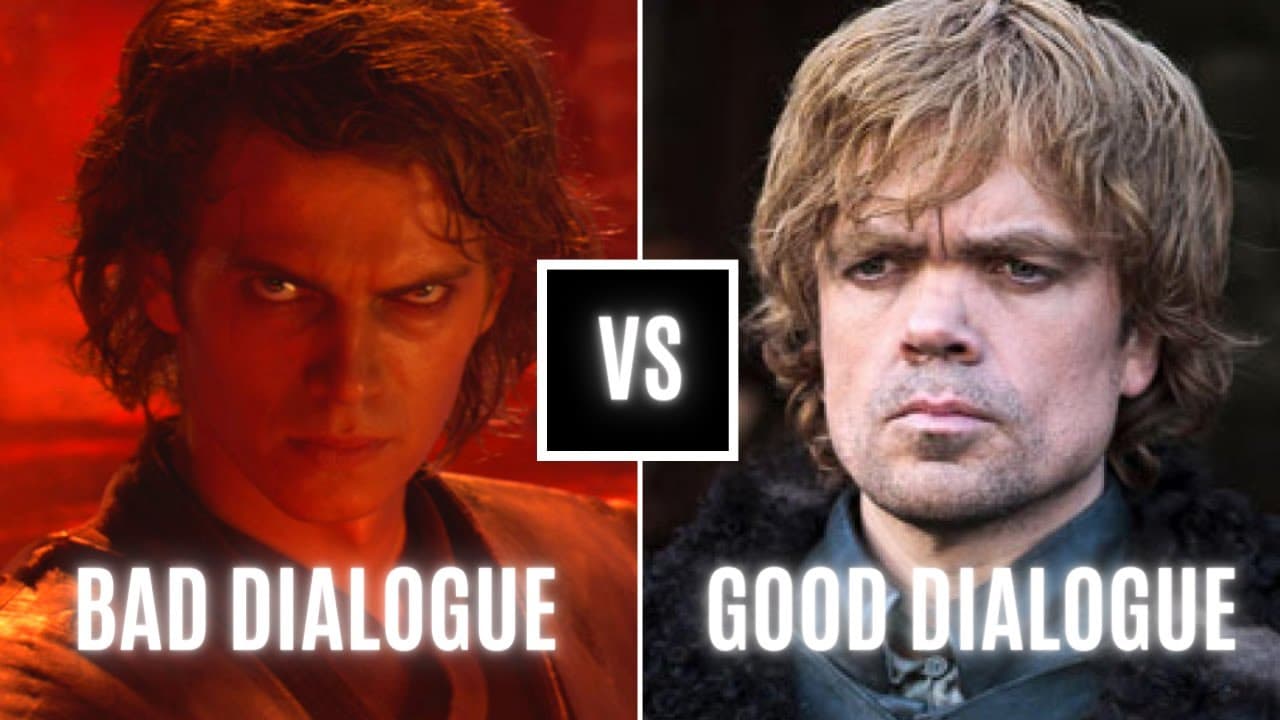
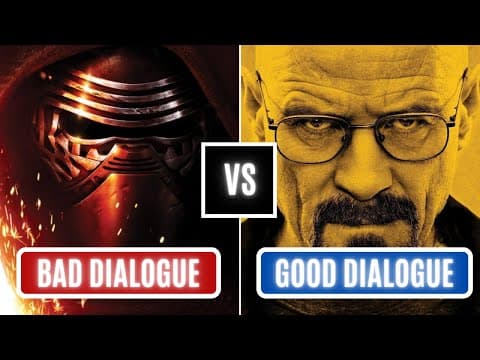
Bad Dialogue vs Good Dialogue (Writing Advice)
TL;DR
Learn the key elements of good dialogue, including naturalness, conflict, and subtext, and avoid common pitfalls such as on-the-nose dialogue, melodrama, exposition, forced poetry, and wooden dialogue.
Transcript
the best way to learn about dialogue is by studying the good stuff as well as the bad and that's what we're going to be doing today so stick around what's up guys my name is brandon mcnulty i'm a writer i'm the author of bad parts and welcome to my writing channel one of my subscribers requested a video on good dialogue versus bad dialogue and i th... Read More
Key Insights
- 👋 Good dialogue should be authentic and specific to the character and story world.
- 🫷 Conflict is crucial for engaging dialogue that pushes the story forward and reveals new information.
- 👻 Subtext adds depth and meaning to conversations, allowing for emotional depth and higher stakes.
- 😤 On-the-nose dialogue, melodrama, forced poetry, exposition, and wooden dialogue are common pitfalls to avoid.
Install to Summarize YouTube Videos and Get Transcripts
Explore YouTube Video Summarizer or Get YouTube Transcript Extractor
Questions & Answers
Q: What are the three key elements of good dialogue?
Good dialogue needs to sound natural, involve conflicts, and express unspoken meanings or subtext. It should vary based on the character and story world but still maintain authenticity.
Q: What is an example of on-the-nose dialogue from a movie?
In "Attack of the Clones," Anakin's emotional outburst to Padme beside the fire is an example of on-the-nose dialogue. It lacks subtlety and feels cliched, failing to sound natural or create deeper meaning.
Q: How can melodrama negatively impact dialogue?
Melodrama occurs when emotions are exaggerated and not earned, leading to unconvincing conversations. It can result in characters yelling without genuine anger or passion, making the dialogue uninteresting.
Q: Give an example of effective exposition through dialogue.
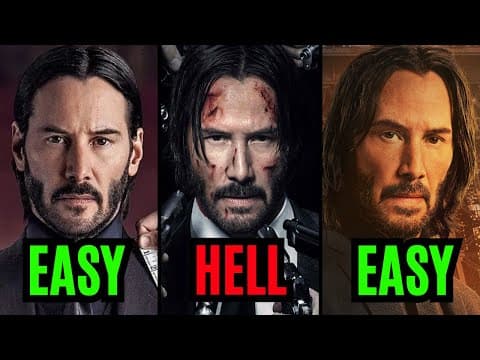
In "John Wick," Vigo explains to his son who John Wick is, using vivid descriptions and avoiding on-the-nose statements like "assassin" or "hitman." The dialogue reveals new information to both the characters and the audience.
Key Insights:
- Good dialogue should be authentic and specific to the character and story world.
- Conflict is crucial for engaging dialogue that pushes the story forward and reveals new information.
- Subtext adds depth and meaning to conversations, allowing for emotional depth and higher stakes.
- On-the-nose dialogue, melodrama, forced poetry, exposition, and wooden dialogue are common pitfalls to avoid.
- Movie, video game, and TV show examples demonstrate the difference between good and bad dialogue.
Summary & Key Takeaways
-
Good dialogue sounds natural, takes part in conflicts, and expresses unspoken meanings or subtext.
-
Bad dialogue types include on-the-nose dialogue, melodrama, exposition, forced poetry, and wooden dialogue.
-
Examples from movies, video games, and TV shows are used to illustrate both good and bad dialogue.
Read in Other Languages (beta)
Share This Summary 📚
Summarize YouTube Videos and Get Video Transcripts with 1-Click
Try YouTube Summary with ChatGPT & Claude or YouTube Transcript Generator
Explore More Summaries from Writer Brandon McNulty 📚
Summarize YouTube Videos and Get Video Transcripts with 1-Click
Try YouTube Summary with ChatGPT & Claude or YouTube Transcript Generator