What Are J Cuts and L Cuts in Film Editing?
TL;DR
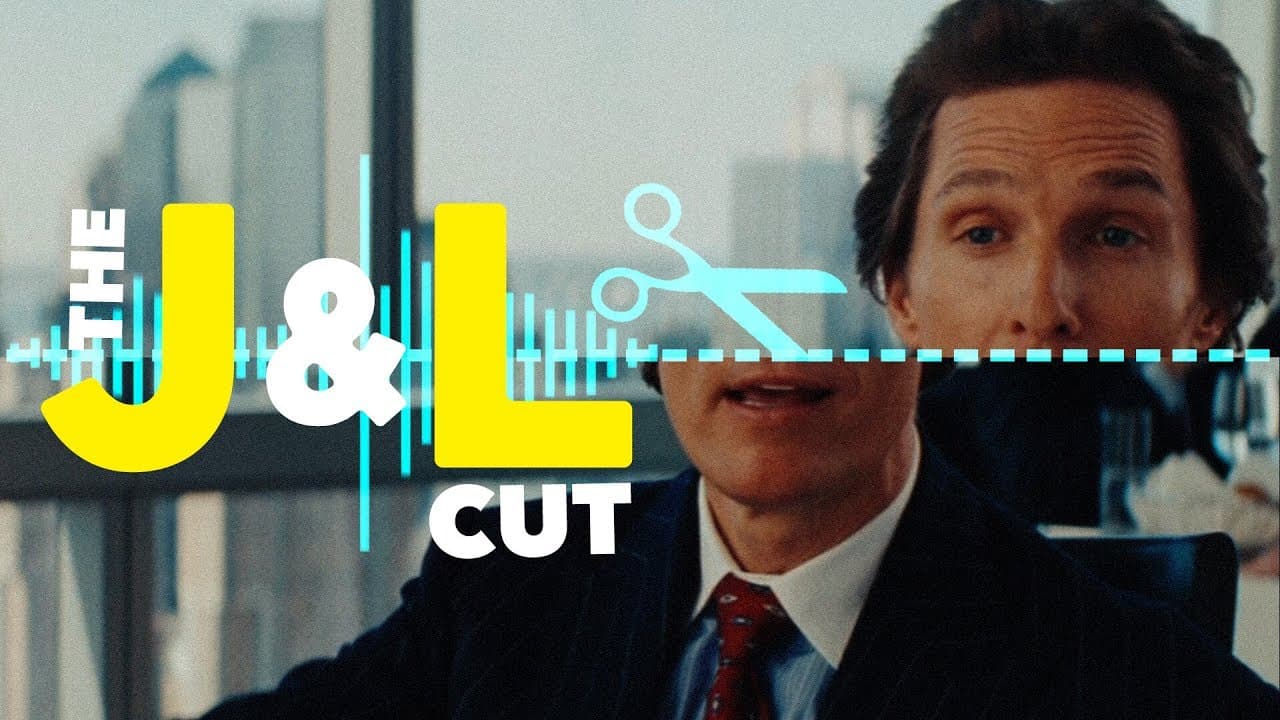
J cuts and L cuts are film editing techniques that enhance storytelling by manipulating audio and visual transitions. A J cut occurs when audio from the next scene precedes the visual, while an L cut continues the audio from a previous scene into the next. Both techniques help create a natural flow in dialogue and can be used for impactful scene transitions and dramatic effect.
Transcript
"It's alive! It's alive! That is hot! In! In! Shut that mother**ker! Shut it! Shut it! Shut it! Sold!" (humming) Did you hear that? Let's listen again. "Shut it! Shut it! Shut it! Sold!" (humming) Did you notice how the sound from the next scene arrived before the image? That’s called a J-Cut. A J-Cut occurs when the audio of a shot or scene preced... Read More
Key Insights
- 💇 J and L cuts are essential editing techniques used in almost every film to enhance storytelling and create a natural flow.
- ⛔ These techniques are not limited to conversations but can be used for various effects such as transitions, dream sequences, and flashbacks.
- 🍽️ J cuts create urgency and L cuts add suspense and a sense of prolonging the scene.
- 💇 J and L cuts can be used to create powerful openings and closings, captivating the audience and leaving a lasting impact.
Install to Summarize YouTube Videos and Get Transcripts
Explore YouTube Video Summarizer or Get YouTube Transcript Extractor
Questions & Answers
Q: What is a J cut in film editing?
A J cut is an editing technique where the audio precedes the visual, creating a smoother transition between shots and improving the overall flow of the scene. It adds depth and realism to conversations and can be used for powerful storytelling effects.
Q: What is an L cut in film editing?
An L cut is when the audio from one shot carries over to the next shot, creating a seamless transition and enhancing the continuity of the scene. It helps to establish connections between different shots and adds complexity to the storytelling.
Q: Why are J and L cuts used in conversations?
J and L cuts are commonly used in conversations to break up dialogue, allowing the editor to create a more natural flow. By overlapping audio and video, these techniques mimic real-life conversations where people often talk over each other, adding authenticity to the scene.
Q: How are J and L cuts used in scene transitions?
J cuts tend to express urgency and create a sense of cutting a scene short when transitioning. On the other hand, L cuts create the feeling of dragging a scene out longer, adding suspense and building anticipation for the next scene. Both techniques contribute to seamless and impactful transitions.
Key Insights:
- J and L cuts are essential editing techniques used in almost every film to enhance storytelling and create a natural flow.
- These techniques are not limited to conversations but can be used for various effects such as transitions, dream sequences, and flashbacks.
- J cuts create urgency and L cuts add suspense and a sense of prolonging the scene.
- J and L cuts can be used to create powerful openings and closings, captivating the audience and leaving a lasting impact.
- These techniques allow editors to give depth and significance to the visuals by supporting them with audio.
Summary & Key Takeaways
-
J cuts occur when the audio of a shot or scene precedes the visual, while L cuts happen when the audio from one shot carries over to the next shot.
-
J and L cuts are commonly used in conversations to break up dialogue and create a more natural flow.
-
These techniques are also utilized for scene transitions, dream sequences, flashbacks, and impactful openings and closings in films.
Read in Other Languages (beta)
Share This Summary 📚
Summarize YouTube Videos and Get Video Transcripts with 1-Click
Try YouTube Summary with ChatGPT & Claude or YouTube Transcript Generator