Complete Guide to HAIR CARE Routine for Healthy Hair & Scalp (for ALL Hair Types & Hair Porosity)
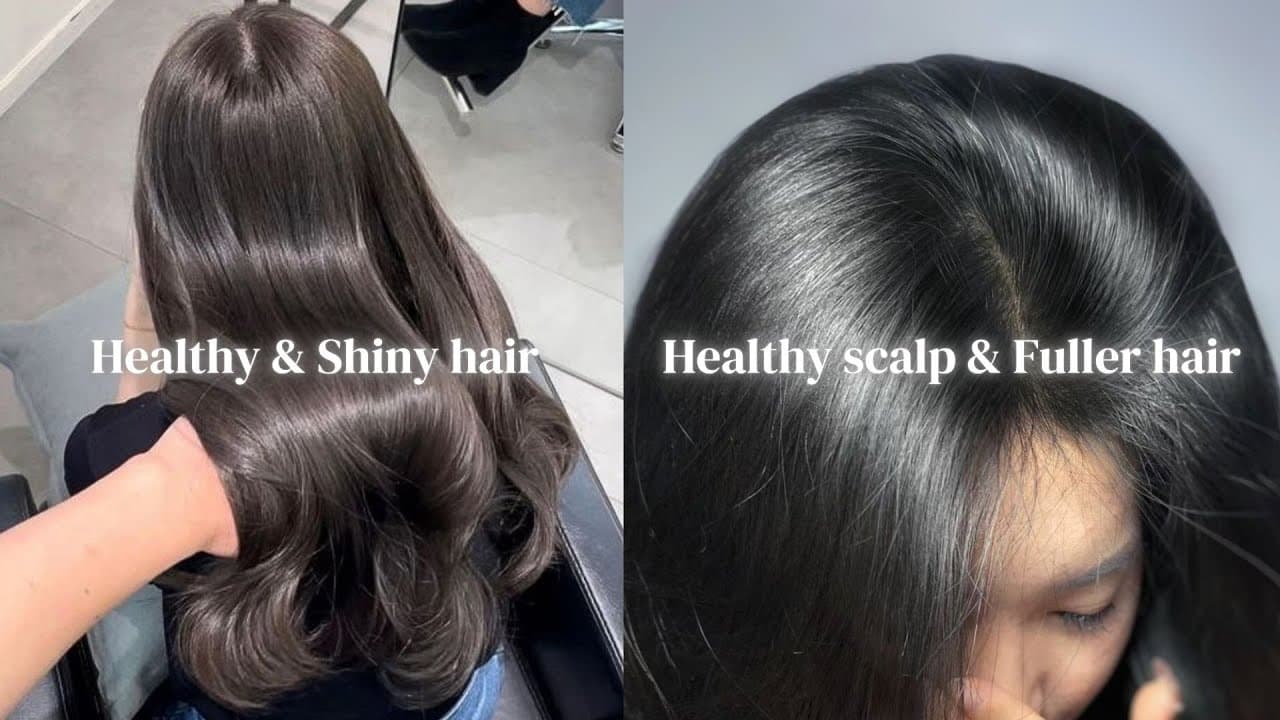
TL;DR
Understanding scalp types is crucial for optimal hair health.
Transcript
Hello peachies, welcome back to dear peachie! They say the right lipstick completes a makeup look, but we're firm believers that your look isn't truly complete without having your best hair day! When your hair isn't cooperating, something just feels off about your whole appearance. We touched on this in our previous video, where we discuss... Read More
Key Insights
- 👱 The scalp's health directly influences hair growth; maintaining a clean environment reduces blockages and maximizes follicle functionality.
- 😨 Identifying your specific scalp type (oily, dry, combination, sensitive) allows for personalized and effective hair care strategies.
- 💀 Regular exfoliation of the scalp removes dead skin and excess oil, promoting healthier hair growth processes.
- 💉 Chemical constituents in shampoos, such as sulfate levels, can affect scalp and hair health, necessitating selection based on individual needs.
- 😨 Seasonal changes can drastically affect scalp conditions, requiring adjustments to hair care routines to maintain balance.
- 🖐️ Dietary choices and lifestyle habits play a supporting role in the health of the scalp and hair; nutrient deficiencies and stress are detrimental.
- 🥵 Establishing a protective routine, including UV protection and using heat protectants, is essential for long-term hair health.
Install to Summarize YouTube Videos and Get Transcripts
Explore YouTube Video Summarizer or Get YouTube Transcript Extractor
Questions & Answers
Q: Why is the scalp important for healthy hair growth?
The scalp is crucial for healthy hair growth as it houses hair follicles that produce hair strands. A healthy scalp environment, free from excess oil, dead skin, and blockages, allows follicles to function optimally. If the scalp is unclean or irritated, it can lead to hair problems, including thinning hair or hair loss, underscoring the need for proper scalp care in any hair care routine.
Q: What are the signs of an oily scalp?
An oily scalp often presents with visible oil accumulation, especially within 48 hours post-wash. You'll notice greasy hair, with roots appearing matted or stuck together. Itchiness may accompany this due to dead skin buildup, and dandruff can also be a concern, as oily environments support certain bacteria that can exacerbate flaking. Regular washing and the right product choice can help manage these symptoms.
Q: How can I determine my scalp type?
You can determine your scalp type by observing its characteristics and how your hair behaves over days without washing. An oily scalp typically feels greasy swiftly, while a dry scalp feels tight or flaky. Combination scalps show both characteristics in different zones, and sensitive scalps react to environmental factors with itchiness or redness. Identifying these traits helps tailor effective hair care treatments.
Q: What products should I look for based on my scalp type?
For oily scalps, seek gentle shampoos that effectively remove excess oil without stripping hair moisture. If you have a dry scalp, opt for hydrating formulas with moisturizing ingredients. Sensitive scalps benefit from milder products free from harsh chemicals, while combination scalps may need a careful balance, perhaps using different products on varied areas of the scalp to address specific concerns.
Q: What role do lifestyle factors play in scalp health?
Lifestyle factors such as diet, hydration, and overall stress levels significantly impact scalp health. Diets lacking essential nutrients can lead to dryness and hair problems, while sufficient water intake helps maintain moisture levels. Chronic stress can lead to hormonal fluctuations, which can worsen scalp conditions and contribute to hair loss, highlighting the importance of holistic health approaches alongside targeted hair care.
Q: How frequently should I wash my hair based on scalp type?
Oily scalps generally benefit from daily washing or every other day to remove excess sebum. Dry scalps may need less frequent washing, aiming to keep natural oils intact—typically every 3-5 days. Sensitive scalps require careful assessment, while combination scalps might adopt a mixed approach, washing oily zones more regularly while nurturing dryer areas less often.
Summary & Key Takeaways
-
Hair health greatly depends on scalp condition; a clean and well-maintained scalp fosters optimal hair growth and resiliency.
-
Identifying your scalp type—oily, dry, combination, or sensitive—helps tailor appropriate care routines and select suitable products.
-
Common hair and scalp issues include dandruff, dryness, and hair loss, which can often be addressed through proper cleansing and hydration techniques.
Read in Other Languages (beta)
Share This Summary 📚
Summarize YouTube Videos and Get Video Transcripts with 1-Click
Try YouTube Summary with ChatGPT & Claude or YouTube Transcript Generator
Explore More Summaries from dear peachie 📚



Summarize YouTube Videos and Get Video Transcripts with 1-Click
Try YouTube Summary with ChatGPT & Claude or YouTube Transcript Generator