What Is the Spontaneous Combustion Rule?
TL;DR
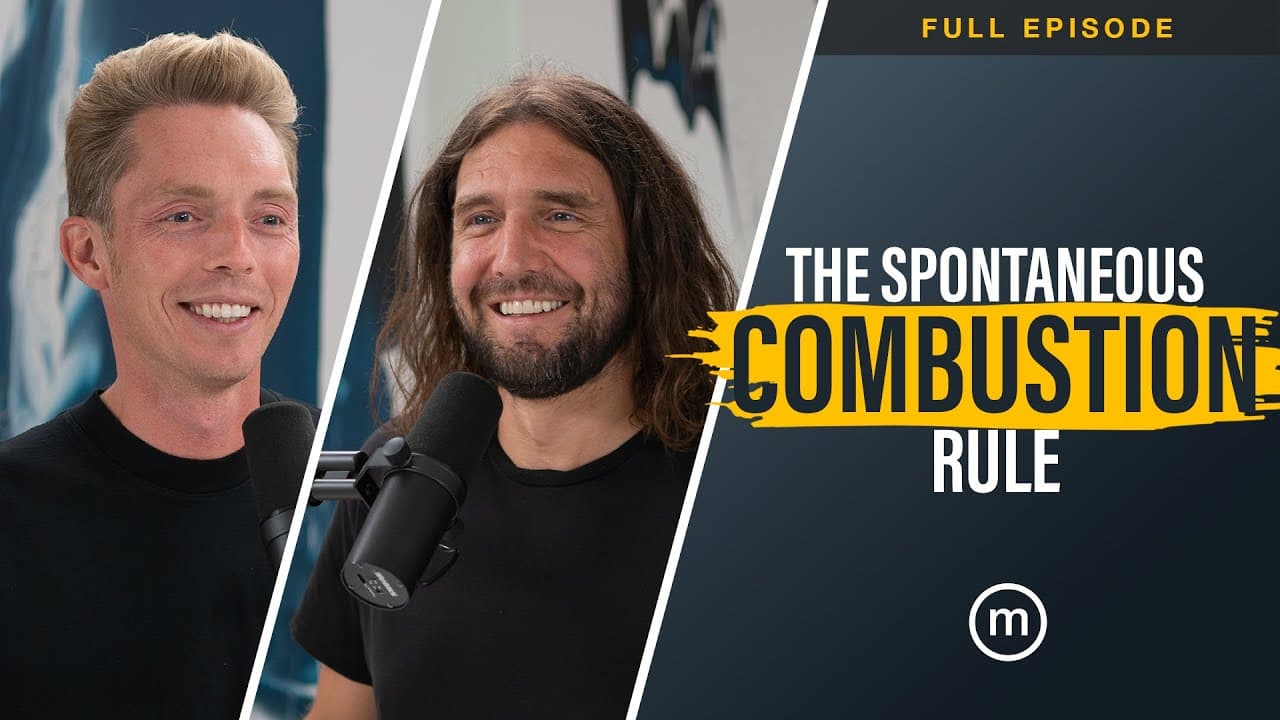
The Spontaneous Combustion Rule helps determine which possessions, relationships, or commitments are truly valuable. By imagining an item or relationship spontaneously combusting, you assess whether you'd miss it or feel relieved. This technique aids in decluttering both physical and emotional spaces, promoting a meaningful life with less. It applies not only to material items but also to friendships and living environments.
Transcript
this episode of the minimalists is brought to you by nobody because advertisements suck this podcast has bad words hello minimizers welcome to the minimalist podcast where we discuss what it means to live a meaningful life with less my name is joshua fields melbourne and i'm ryan nicodemus and together we are the minimalists [Applause] you are so p... Read More
Key Insights
- The Spontaneous Combustion Rule is a minimalist tool to evaluate possessions and relationships.
- If an item or relationship spontaneously combusted, consider if you'd replace it or feel relieved.
- Many possessions are burdens; even if free, they wouldn't be replaced.
- The rule is part of the minimalist rule book, which includes 16 rules.
- It applies beyond material possessions to friendships, careers, and routines.
- Loneliness after letting go can be a sign to seek more empowering relationships.
- Re-prioritizing relationships can reduce toxicity without severing ties.
- Living in environments with others' clutter may require moving to maintain peace.
Install to Summarize YouTube Videos and Get Transcripts
Explore YouTube Video Summarizer or Get YouTube Transcript Extractor
Questions & Answers
Q: How to apply the Spontaneous Combustion Rule to possessions?
To apply the Spontaneous Combustion Rule, pick an item and imagine it spontaneously combusting. Ask yourself if you would replace it or feel relieved by its absence. If relief is the primary feeling, it's a sign the item may be a burden rather than an asset, suggesting it's time to let go.
Q: What is the purpose of the Spontaneous Combustion Rule?
The purpose of the Spontaneous Combustion Rule is to help individuals identify which possessions, relationships, or commitments truly add value to their lives. By considering whether you'd miss something if it disappeared, you can discern what is essential and what may be unnecessarily weighing you down.
Q: How does the rule apply to relationships?
The rule applies to relationships by encouraging you to consider if a friendship or connection spontaneously ended, would you feel more relieved or more saddened. If relief is the stronger emotion, it may indicate that the relationship is more of a burden than a benefit, prompting a reevaluation.
Q: When should you let go of a friendship?
Let go of a friendship when the thought of its spontaneous end brings more relief than sadness. This indicates the relationship may be draining or misaligned with your values. Consider if the relationship can be improved or if it's time to prioritize more fulfilling connections.
Q: How to address loneliness after letting go?
Address loneliness by seeking empowering relationships and embracing solitude as an opportunity for self-discovery. Recognize loneliness as a signal to connect with others who align with your values, but also to become comfortable and complete in your own company, reducing dependency on external validation.
Q: What are the types of relationships discussed?
The podcast discusses three types of relationships: primary, secondary, and peripheral. Primary relationships are deeply meaningful and align with one's values. Secondary relationships are more casual but still significant. Peripheral relationships are acquaintances or casual connections that may not deeply impact one's life.
Q: How to deal with living in a cluttered environment?
In a cluttered environment not your own, focus on creating a personal space that reflects your values and offers peace. If unable to declutter communal areas, consider moving to a place that aligns with your minimalist ideals. Prioritize environments that support your mental and emotional well-being.
Q: Is the desire to move genuine or escapism?
Determine if the desire to move is genuine by assessing if you're running toward a place that aligns with your values and goals, rather than escaping current problems. Genuine relocation is driven by positive aspirations and opportunities, whereas escapism is avoidance of unresolved issues that may persist regardless of location.
Summary & Key Takeaways
-
The Spontaneous Combustion Rule helps identify burdensome possessions and relationships by imagining their sudden disappearance. If relief outweighs loss, consider letting go. This minimalist tool applies to various life aspects, aiding in decluttering and fostering meaningful living.
-
Material items, friendships, and environments can all be evaluated with this rule. It encourages mindful living by focusing on what truly adds value, helping to overcome feelings of overwhelm and loneliness.
-
The rule is part of a broader minimalist philosophy, emphasizing intentional living. It challenges individuals to assess their attachments and make conscious choices about what to keep or discard in life.
Read in Other Languages (beta)
Share This Summary 📚
Summarize YouTube Videos and Get Video Transcripts with 1-Click
Try YouTube Summary with ChatGPT & Claude or YouTube Transcript Generator
Explore More Summaries from The Minimalists Podcast 📚




Summarize YouTube Videos and Get Video Transcripts with 1-Click
Try YouTube Summary with ChatGPT & Claude or YouTube Transcript Generator