What Are the Ethical Implications of Meat Consumption?
TL;DR
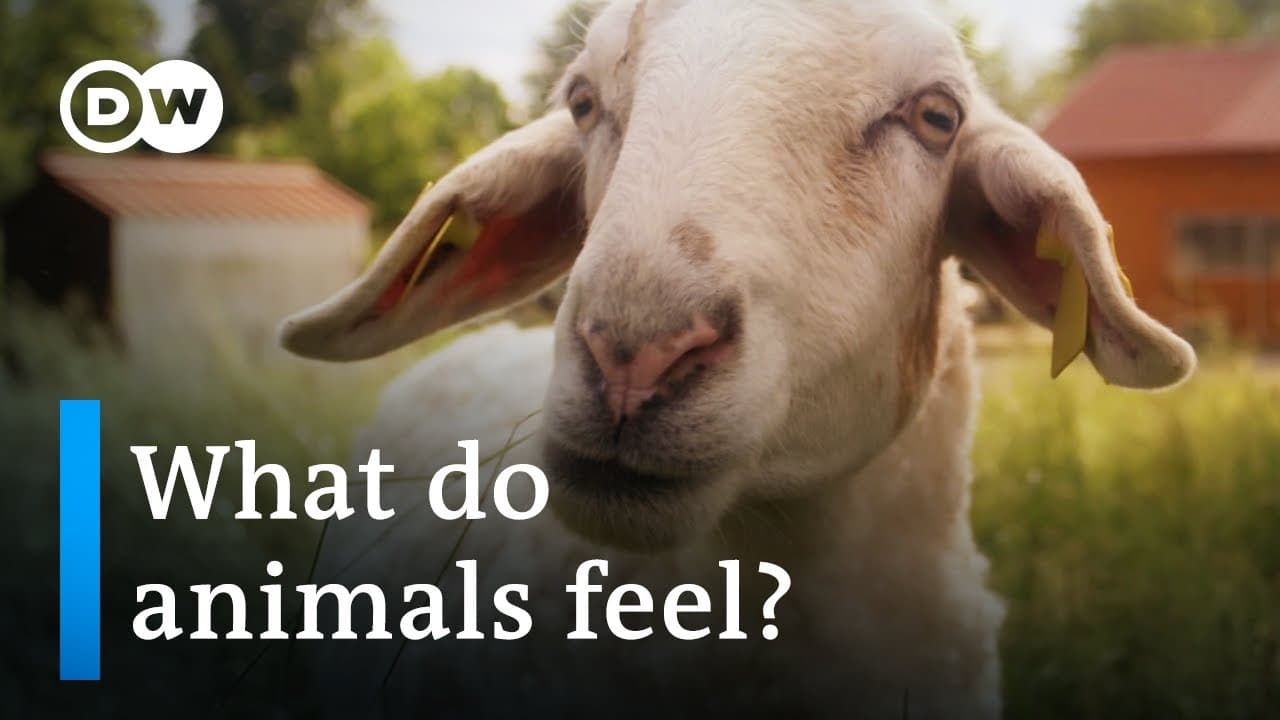
Eating animals raises significant moral questions about their treatment and rights. Philosophers like Peter Singer advocate for a utilitarian approach, focusing on maximizing well-being, while Gary Francione argues for animal rights, asserting that animals should not be treated as property. Both perspectives highlight the need for ethical reflection on our dietary choices.
Transcript
imagine intelligent aliens discover earth we're in complete awe at the Elegance of their language their art technology and their wisdom but shortly after they arrive the aliens begin to put us in cramped stalls they force females to breed take their babies away and drink their milk they force us to eat from morning to night so that we're so fat tha... Read More
Key Insights
- 😅 The question of the morality of eating animals is not subjective, and there is scope for reason and argument in discussing ethics.
- 😅 Utilitarianism, focusing on maximizing overall well-being, can be applied to the ethical considerations of eating animals.
- 🗯️ Animal rights advocates argue that animals should be treated humanely and not regarded as property.
- 🐷 Animals, including pigs, exhibit complex behaviors, problem-solving abilities, and can experience emotions.
- ❓ The legal system treats animals as property, which results in the justification of cruel practices in the livestock industry.
- ⛔ Individual dietary choices have limited impact, but collective vegetarianism or veganism can contribute to addressing ethical concerns.
Install to Summarize YouTube Videos and Get Transcripts
Explore YouTube Video Summarizer or Get YouTube Transcript Extractor
Questions & Answers
Q: Is the question of right or wrong subjective when it comes to eating animals?
Peter Singer believes that there is scope for reason and argument in discussing ethics, and that many people hold inconsistent beliefs that they haven't reflected on. He argues that the question of right or wrong is not subjective.
Q: What is utilitarianism and how does it relate to eating animals?
Utilitarianism is a moral theory that weighs the net balance of pleasure versus pain or happiness versus suffering. From a utilitarian perspective, the right action is the one that maximizes overall well-being. When deciding what to cook for dinner, for example, utilitarianism would consider the happiness of all guests involved.
Q: What is the argument for animal rights?
Gary Francione argues for animal rights and believes that animals should not be regarded as property. He criticizes the legal system for treating animals as property and allowing for institutionalized exploitation. He believes that animals have the right to be treated humanely and not to be subjected to unnecessary suffering.
Q: Can animals experience boredom and emotions?
Researchers have conducted studies on animals, such as pigs, which have shown that they are capable of complex behaviors, problem-solving, and even experiencing emotions. Some animals, like pigs, can become bored and are willing to accept unpleasant experiences to alleviate their boredom.
Key Insights:
- The question of the morality of eating animals is not subjective, and there is scope for reason and argument in discussing ethics.
- Utilitarianism, focusing on maximizing overall well-being, can be applied to the ethical considerations of eating animals.
- Animal rights advocates argue that animals should be treated humanely and not regarded as property.
- Animals, including pigs, exhibit complex behaviors, problem-solving abilities, and can experience emotions.
- The legal system treats animals as property, which results in the justification of cruel practices in the livestock industry.
- Individual dietary choices have limited impact, but collective vegetarianism or veganism can contribute to addressing ethical concerns.
- The moral debate of eating animals extends beyond taste preferences and requires reflection on personal commitment to addressing larger global problems.
Summary & Key Takeaways
-
The video discusses the moral implications of eating animals, with questions about the treatment and rights of animals being raised.
-
Peter Singer, a philosopher, argues for utilitarianism, which focuses on maximizing overall well-being and happiness.
-
Gary Francione, a professor of law and philosophy, argues for animal rights, advocating for animals not to be regarded as property and to be treated humanely.
Read in Other Languages (beta)
Share This Summary 📚
Summarize YouTube Videos and Get Video Transcripts with 1-Click
Try YouTube Summary with ChatGPT & Claude or YouTube Transcript Generator
Explore More Summaries from DW Documentary 📚





Summarize YouTube Videos and Get Video Transcripts with 1-Click
Try YouTube Summary with ChatGPT & Claude or YouTube Transcript Generator