How Can You Start Thinking in English?
TL;DR
Thinking in English is essential for improving fluency and transitioning from an intermediate to advanced level. Key strategies include immersing yourself in English-speaking environments, consuming media in English only, and learning new concepts directly in English without translation. Regular practice and incorporating English into daily activities are crucial for mastering this skill.
Transcript
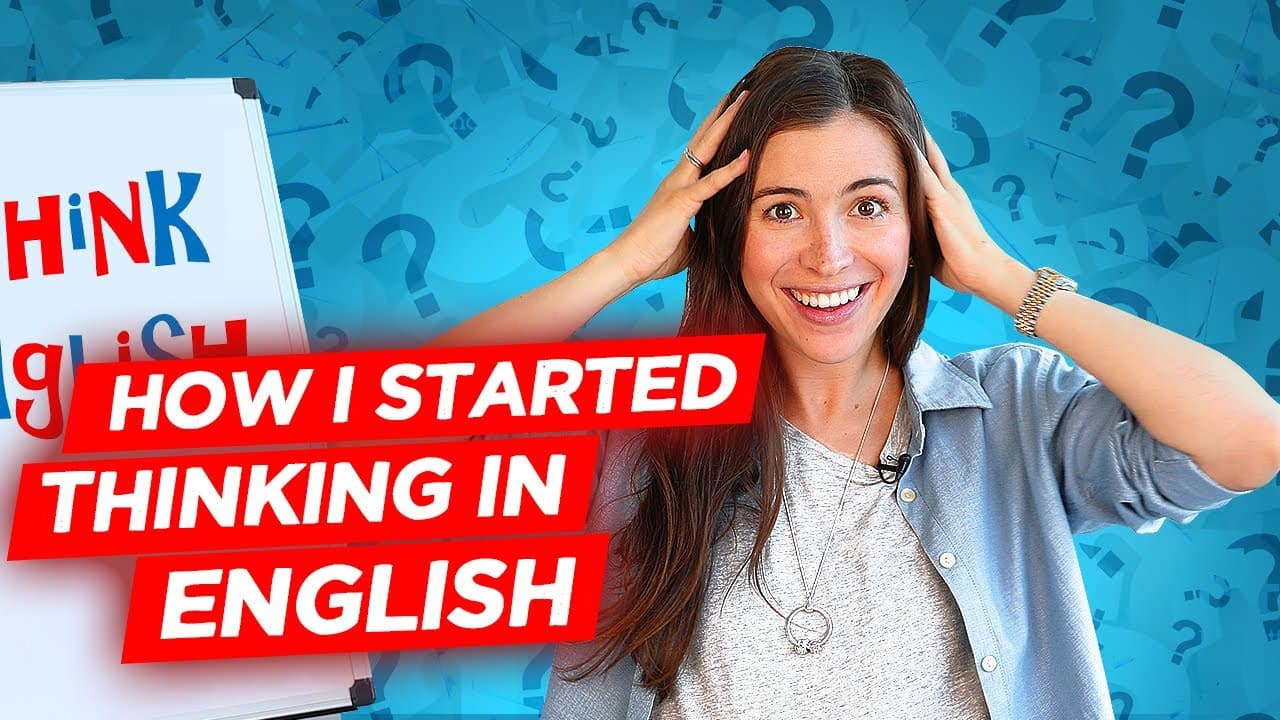
- Hey guys. Welcome to my channel. Today I'm gonna share my story of how I started thinking in English. And when we don't think in English, we tend to speak slower, we tend to translate things in our heads, and we just tend to be less proficient in our English. So, thinking in English is a key thing for you to move from being intermediate to upper-... Read More
Key Insights
- 🤔 Thinking in English is a crucial step in progressing from an intermediate to an advanced level of English proficiency.
- 🤔 Immersion in an English-speaking environment greatly aids in the process of thinking in English.
- 💁 Reading and consuming information in English on a regular basis helps to internalize the language.
- 👶 Learning new concepts in English without relying on translation enhances language fluency.
- 🤔 Incorporating English into daily activities like phone usage and writing practices reinforces thinking and fluency in English.
- 🤩 Regularity and establishing habits are key in developing the ability to think in English.
- 🙊 Traveling to English-speaking countries and engaging with locals provides valuable language practice opportunities.
Install to Summarize YouTube Videos and Get Transcripts
Explore YouTube Video Summarizer or Get YouTube Transcript Extractor
Questions & Answers
Q: How did the speaker start thinking in English?
The speaker began thinking in English after spending time in an English-speaking environment, where she communicated solely in English and immersed herself in the language throughout the day.
Q: What is the significance of thinking in English for language proficiency?
Thinking in English allows for faster and more efficient communication as it eliminates the need for mental translation. It also helps in developing a deeper understanding of concepts and vocabulary.
Q: How can one incorporate more English into their everyday life?
The speaker suggests traveling to English-speaking countries, staying with locals, reading books and magazines in English, and switching daily activities such as using smartphones and writing in a planner or diary to English.
Q: Why is it important to learn new concepts in English without translation?
Learning new concepts in English without relying on translation helps in developing a direct understanding of the language. It allows for faster comprehension and avoids the reliance on one's native language while thinking.
Key Insights:
- Thinking in English is a crucial step in progressing from an intermediate to an advanced level of English proficiency.
- Immersion in an English-speaking environment greatly aids in the process of thinking in English.
- Reading and consuming information in English on a regular basis helps to internalize the language.
- Learning new concepts in English without relying on translation enhances language fluency.
- Incorporating English into daily activities like phone usage and writing practices reinforces thinking and fluency in English.
- Regularity and establishing habits are key in developing the ability to think in English.
- Traveling to English-speaking countries and engaging with locals provides valuable language practice opportunities.
- Writing down the lyrics of favorite songs while listening to them helps improve listening and thinking skills in English.
Summary & Key Takeaways
-
The speaker shares her personal journey of transitioning from thinking in her native language to thinking in English while staying in the UK.
-
She emphasizes the importance of thinking in English for language fluency and progress from intermediate to advanced levels.
-
The speaker provides tips such as immersing oneself in English-speaking environments, reading and consuming information in English, learning new concepts without translation, and switching daily activities to English.
Read in Other Languages (beta)
Share This Summary 📚
Summarize YouTube Videos and Get Video Transcripts with 1-Click
Try YouTube Summary with ChatGPT & Claude or YouTube Transcript Generator
Explore More Summaries from linguamarina 📚






Summarize YouTube Videos and Get Video Transcripts with 1-Click
Try YouTube Summary with ChatGPT & Claude or YouTube Transcript Generator