How to Build a Project Schedule in 21 Steps
TL;DR
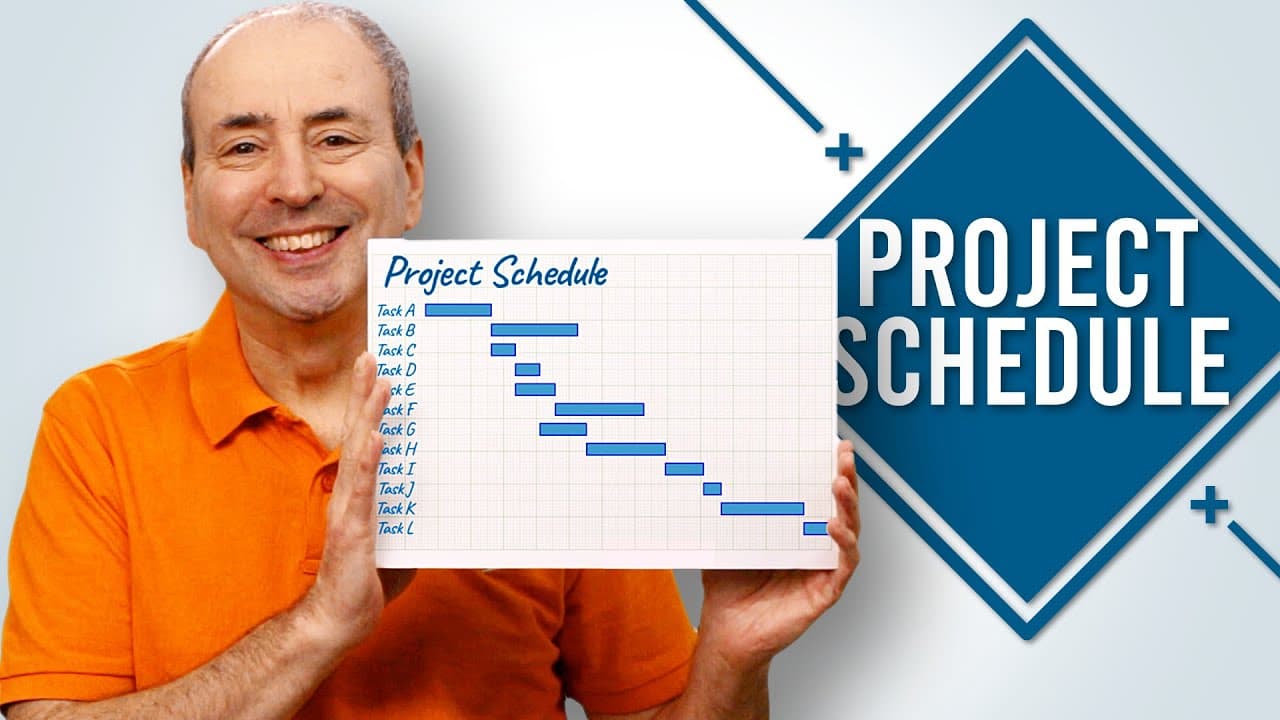
Creating a project schedule involves 21 essential steps across five stages, starting with a solid framework of milestones and constraints. Proper task identification, estimating work, analysing dependencies, and critical reviews are crucial for developing an effective schedule. The final draft must be approved and placed under version control to ensure accountability.
Transcript
in this video I'll take you through five stages and 21 steps for creating a project schedule stage one is about the schedule framework you need to start by getting all of the time and date related data assembled and ready to use step one start with fixed Milestones things like the start date and release or delivery dates Step 2 add in discretionary... Read More
Key Insights
- 📅 Creating a project schedule involves five stages: schedule framework, task framework, analysis, review, and sign off.
- 📅 Gathering all time and date related data is crucial for building a solid schedule.
- ❓ Understanding task dependencies and allocating resources appropriately is essential for accurate sequencing and resource management.
- ✳️ Analyzing critical paths and assessing float helps identify potential bottlenecks and risks.
- 📅 Collaboration and critical reviews from both internal and external stakeholders enhance the quality and accuracy of the schedule.
- 🥅 Revisions may be necessary to optimize the schedule and align it with project goals and constraints.
- 🤘 Finalizing and issuing the schedule for sign off ensures clear communication and accountability.
Install to Summarize YouTube Videos and Get Transcripts
Explore YouTube Video Summarizer or Get YouTube Transcript Extractor
Questions & Answers
Q: How should I start creating a project schedule?
To start, gather all time and date related data, including fixed and discretionary milestones, calendar and resource constraints, and working hours.
Q: What should I consider when identifying tasks for my schedule?
When identifying tasks, consider estimating the work required for each task and determining dependencies between them. This will help you sequence the tasks effectively.
Q: How do I calculate the duration for each task?
The duration calculation takes into account the work required and the resources assigned to the task. For example, a task with 15 days of work and two full-time staff allocated to it will have a duration of seven and a half days.
Q: Why is it important to review and revise the draft schedule?
Reviewing the draft schedule helps identify risks, errors, and opportunities for improvement. Revisions may be necessary to ensure the schedule is feasible, balanced, and aligned with project objectives.
Summary & Key Takeaways
-
Stage 1: Create the schedule framework by gathering time and date data, including fixed and discretionary milestones, calendar and resource constraints, and working hours.
-
Stage 2: Establish the task framework by identifying tasks, estimating work and contingency, determining dependencies, and allocating resources.
-
Stage 3: Analyze the data to calculate critical paths, assess float, review the schedule for business sense, and make revisions as necessary.
-
Stage 4: Review the draft schedule with your team and consider external reviews for critical projects.
-
Stage 5: Sign off on the final draft, submit it for approval, issue the final schedule, and place it under version control.
Read in Other Languages (beta)
Share This Summary 📚
Summarize YouTube Videos and Get Video Transcripts with 1-Click
Try YouTube Summary with ChatGPT & Claude or YouTube Transcript Generator
Explore More Summaries from Online PM Courses - Mike Clayton 📚





Summarize YouTube Videos and Get Video Transcripts with 1-Click
Try YouTube Summary with ChatGPT & Claude or YouTube Transcript Generator