20 Years of Anxiety Treatment in 15 Minutes
TL;DR
Learn key strategies to manage and transform anxiety effectively.
Transcript
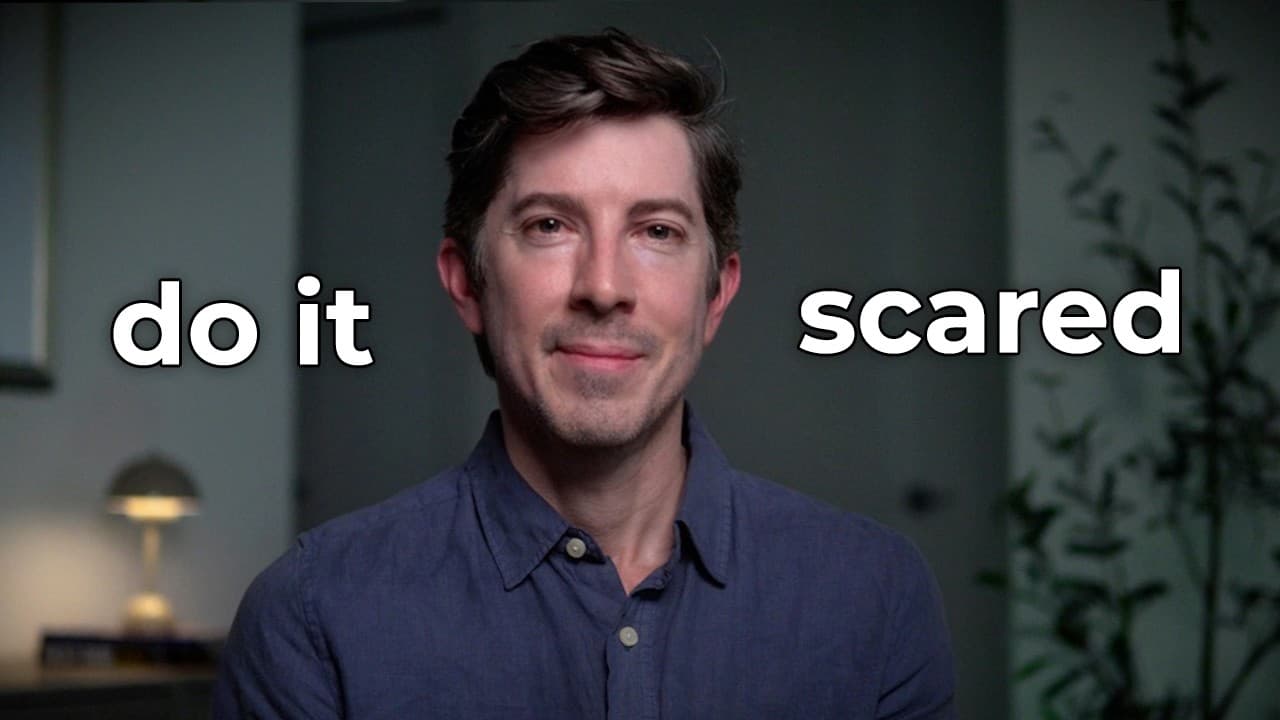
i'm a clinical psychologist trained as an anxiety specialist and I've helped thousands of people overcome their anxiety over the last 20 years both through my sessions and also through my book So there's a lot I've learned that I want you to know So here are 21 truths about anxiety that'll change how you think and how you live Let's go One if you n... Read More
Key Insights
- Anxiety is like an annoying house guest; don't let it control your day, and regain control by acknowledging it and moving on.
- Practice positive self-talk as a good coach would, encouraging yourself with kindness and support rather than fear and shame.
- Anxiety and excitement feel similar; redirect anxiety's energy towards positive goals by focusing on potential rewards.
- Gradually expose yourself to discomfort to build tolerance, starting with small steps to avoid overwhelm and build confidence.
- Distinguish between experiencing anxiety and being anxious; this creates distance and reduces anxiety's power over you.
- Emotions are like waves; instead of resisting, observe them as they rise and fall, making life easier to navigate.
- Act despite uncertainty, as waiting for risk to disappear limits growth; learn to cope and build confidence through action.
- Avoid unnecessary worry by focusing on real problems; trust your future self to handle challenges as they arise.
Install to Summarize YouTube Videos and Get Transcripts
Explore YouTube Video Summarizer or Get YouTube Transcript Extractor
Questions & Answers
Q: How can anxiety control your life?
Anxiety can control your life when you let it dictate your actions and decisions. By constantly seeking calmness and avoiding discomfort, you give anxiety the power to determine how you live. Recognizing anxiety as a temporary feeling rather than a defining trait helps you regain control and live more freely.
Q: What role does self-talk play in managing anxiety?
Self-talk plays a crucial role in managing anxiety by shaping your internal dialogue. Positive self-talk, akin to a supportive coach, encourages growth and resilience, while negative self-talk fosters fear and anxiety. By treating yourself with kindness and encouragement, you create a more supportive environment for managing anxiety.
Q: How can anxiety be transformed into excitement?
Anxiety can be transformed into excitement by redirecting its energy towards positive outcomes. Both emotions share similar physical sensations, but focusing on potential rewards rather than risks can shift your perspective. By asking what you can gain from a situation, you harness anxiety's energy for personal growth and achievement.
Q: Why is gradual exposure to discomfort beneficial?
Gradual exposure to discomfort is beneficial because it builds tolerance and resilience without overwhelming you. By taking small steps towards your fears, you increase your confidence and ability to handle anxiety. This method prevents paralysis from fear and allows you to expand your comfort zone over time.
Q: How does identifying as 'anxious' affect you?
Identifying as 'anxious' can give anxiety more power over you, as it becomes a defining part of your identity. By viewing anxiety as a temporary experience rather than a permanent state, you create distance and reduce its impact. This shift in perspective allows you to observe anxiety without being consumed by it.
Q: What is the significance of observing emotions like waves?
Observing emotions like waves is significant because it allows you to experience them without resistance. Emotions naturally rise and fall, and by not fighting them, you can navigate them more easily. This approach reduces the struggle and stress associated with emotions, making it easier to manage anxiety.
Q: Why is acting despite uncertainty important?
Acting despite uncertainty is important because waiting for risk-free situations limits growth and progress. Life inherently involves unpredictability, and learning to act without guarantees builds confidence and resilience. By embracing uncertainty, you expand your experiences and opportunities for personal development.
Q: How can you reduce unnecessary worry?
You can reduce unnecessary worry by focusing on real problems rather than hypothetical ones. Trusting your future self to handle challenges as they arise allows you to conserve energy and reduce stress. By addressing actual issues instead of potential ones, you create a more balanced and less anxious mindset.
Summary & Key Takeaways
-
The video offers 21 insights on managing anxiety, emphasizing the importance of acknowledging anxiety without letting it control your actions. By treating yourself kindly and transforming anxiety into excitement, you can navigate life's uncertainties more effectively.
-
Gradually facing discomfort helps build resilience, while distinguishing between being anxious and experiencing anxiety empowers you to regain control. Emotions should be observed like waves, allowing you to handle them without resistance.
-
Taking action despite uncertainty is crucial for growth, as waiting for risk-free situations limits progress. Trust yourself to handle challenges and focus on real issues instead of hypothetical worries to reduce anxiety.
Read in Other Languages (beta)
Share This Summary 📚
Summarize YouTube Videos and Get Video Transcripts with 1-Click
Try YouTube Summary with ChatGPT & Claude or YouTube Transcript Generator
Explore More Summaries from Dr Thomas Smithyman 📚
Summarize YouTube Videos and Get Video Transcripts with 1-Click
Try YouTube Summary with ChatGPT & Claude or YouTube Transcript Generator