Does Language Shape Our Thoughts?
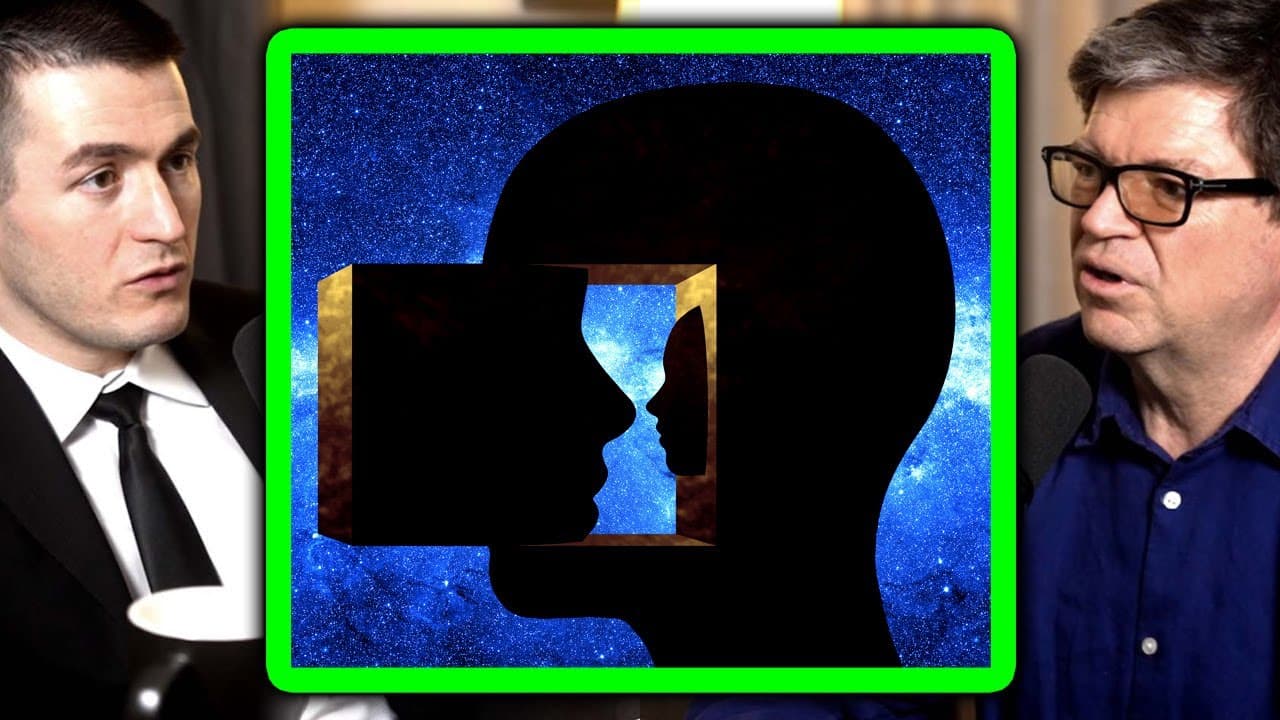
TL;DR
Thinking processes operate largely independently of language, utilizing abstract representations, especially for complex ideas. While bilinguals can experience similar thought patterns across languages, nuances in humor and creativity may vary. Ultimately, our mental models reveal a deeper level of cognition unbound by linguistic constraints.
Transcript
when you talk when you and I talk you and I are bilinguals we think about what we're going to say and it's relatively independent of the language in which we're going to say it when we when we talk about like I don't know let's say mathematical concept or something the kind of thinking that we're doing and the answer that we're planning to produce ... Read More
Key Insights
- 🤔 Thinking processes are relatively language-independent, allowing bilingual individuals to think similarly regardless of the language they are using.
- 💭 Abstract representations play a crucial role in our thinking, enabling us to plan our thoughts and responses before expressing them in language.
- 🙈 Language models, like LMs, do not possess abstract representations and generate language sequentially without conscious planning.
- 🤔 Humor and creative thinking can have abstract representations in our minds, separate from the specific language used for expression.
- 🤔 Thinking involving mathematical concepts or imaginative scenarios is not tied to any particular language and relies on abstract mental models.
- 👊 Bilingual individuals can excel in certain areas, such as producing puns, in one language over another due to language-specific nuances.
- 🤔 LMs solely rely on accumulated knowledge to generate language, while human thinking involves deeper levels of abstraction and planning.
Install to Summarize YouTube Videos and Get Transcripts
Explore YouTube Video Summarizer or Get YouTube Transcript Extractor
Questions & Answers
Q: Is there a difference in thinking between different languages?
While the language used may affect nuances and expressions, the underlying thinking process is generally the same for bilingual individuals. Abstract representations of thoughts are not inherently tied to any particular language.
Q: Does humor have an abstract representation in our minds?
Yes, humor can have an abstract representation that exists before mapping onto a specific language. When producing a humorous tweet or text, the individual may first imagine the desired reaction and then craft the message accordingly.
Q: What about thinking involving mathematical concepts or imagination?
Thinking related to abstract concepts like mathematics or imagining something does not rely on language. Our thinking in these areas involves mental models and visualizations that are independent of any specific language.
Q: How do our thinking processes differ from those of language models?
Humans plan their thoughts and responses before expressing them, while language models like LMs do not engage in conscious planning. LMs generate language one token at a time without considering the bigger picture or abstract representations.
Summary & Key Takeaways
-
Language is not directly linked to our thoughts and ideas, especially when it comes to abstract concepts like mathematics or imagining physical objects.
-
Bilingual individuals experience similar thinking patterns regardless of the language they are using, although language-specific nuances may exist in areas like humor.
-
Abstract representations play a fundamental role in our thinking, allowing us to plan our thoughts and responses before expressing them in language.
Read in Other Languages (beta)
Share This Summary 📚
Summarize YouTube Videos and Get Video Transcripts with 1-Click
Try YouTube Summary with ChatGPT & Claude or YouTube Transcript Generator
Explore More Summaries from Lex Clips 📚



Summarize YouTube Videos and Get Video Transcripts with 1-Click
Try YouTube Summary with ChatGPT & Claude or YouTube Transcript Generator