What Causes Air Pollution and Its Impacts on Health?
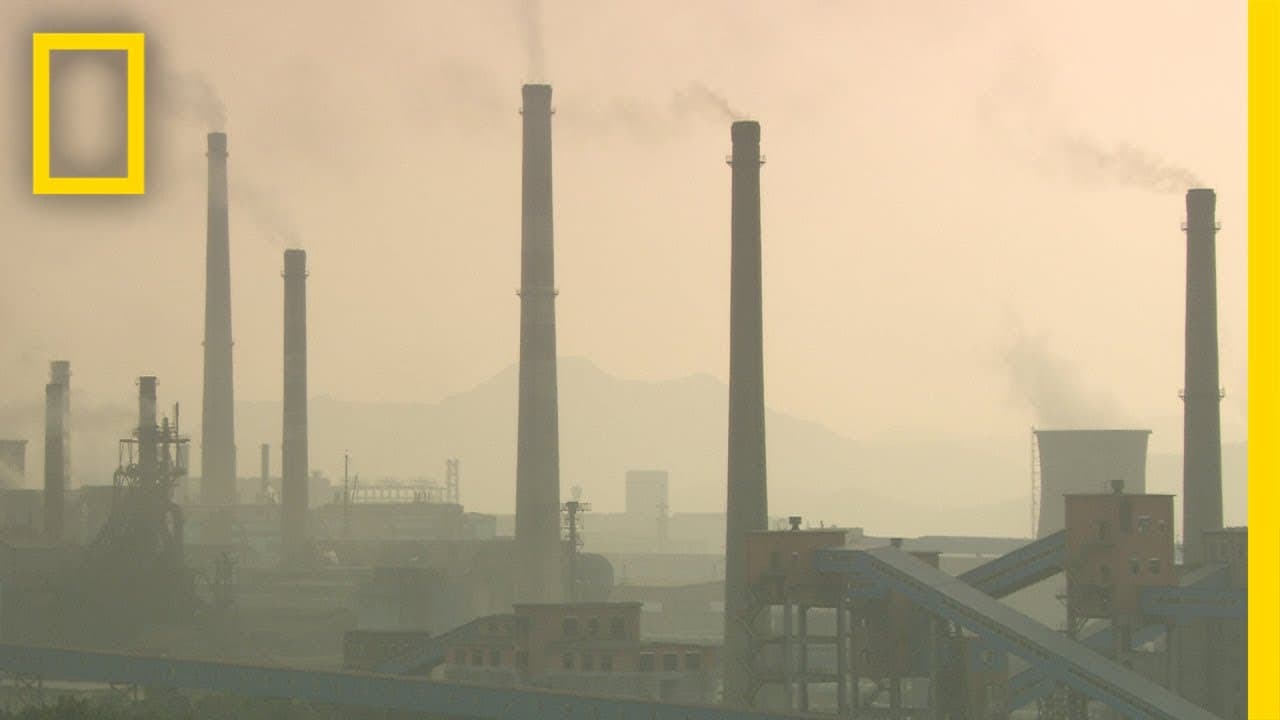
TL;DR
Air pollution is primarily caused by human activities, especially the burning of fossil fuels, leading to greenhouse gas emissions that contribute to climate change. This pollution results in serious health issues, the formation of smog, and various environmental problems. Reducing fossil fuel use is essential for improving air quality and public health.
Transcript
- (piano music) - [Women Speaker] Air pollution consists of chemicals or particles in the atmosphere, that pose serious health and environmental threats. But what causes air pollution? And what does it mean for our planet? Some air pollution comes from natural sources, like volcanic eruptions, wild fires, or allergens. But most air pollution result... Read More
Key Insights
- 👱 Air pollution, stemming from natural and human sources, poses health and environmental threats.
- 🫢 Burning fossil fuels for energy production releases greenhouse gases, contributing to climate change.
- 👱 Different types of human-made air pollution, like sulfur oxides and volatile organic compounds, have detrimental effects.
- 👱 Smog, a result of air pollution, reduces visibility, harms plants, and causes respiratory distress.
- 🥳 Toxic pollutants released during combustion can lead to severe health problems like cancer and birth defects.
- 👱 Solutions to reduce air pollution involve limiting fossil fuel usage in various sectors.
Install to Summarize YouTube Videos and Get Transcripts
Explore YouTube Video Summarizer or Get YouTube Transcript Extractor
Questions & Answers
Q: What are the primary sources of human-made air pollution?
Human-made air pollution primarily originates from burning fossil fuels to produce energy, releasing greenhouse gases, sulfur oxides, and volatile organic compounds into the atmosphere.
Q: How does air pollution contribute to climate change?
Air pollution leads to a rise in global temperatures by trapping heat in the earth's atmosphere through emissions like carbon dioxide and methane, thereby creating a cycle where air pollution exacerbates climate change and vice versa.
Q: What are the health effects of smog and toxic pollutants?
Smog, a type of air pollution, reduces visibility, irritates the eyes, causes respiratory distress, and can lead to serious health problems. Toxic pollutants like mercury and lead released during combustion can cause cancer and birth defects.
Q: What solutions can help reduce air pollution?
Limiting the use of fossil fuels in transportation, manufacturing, and electricity generation can help decrease toxic pollutants, smog, and greenhouse gas emissions, leading to a cleaner environment, better human health, and slowed global warming.
Summary & Key Takeaways
-
Air pollution stems from both natural sources and human activities, primarily burning fossil fuels.
-
Specific types of human-made air pollution include greenhouse gas emissions and toxic pollutants like sulfur oxides and volatile organic compounds.
-
Air pollution leads to climate change, smog formation, health issues, and environmental damage.
Read in Other Languages (beta)
Share This Summary 📚
Summarize YouTube Videos and Get Video Transcripts with 1-Click
Try YouTube Summary with ChatGPT & Claude or YouTube Transcript Generator
Explore More Summaries from National Geographic 📚




Summarize YouTube Videos and Get Video Transcripts with 1-Click
Try YouTube Summary with ChatGPT & Claude or YouTube Transcript Generator