1665: London's Last Great Plague - Professor Vanessa Harding
TL;DR
The speaker explores the understanding and impact of the plague epidemics in London during the 16th and 17th centuries, questioning the accuracy of modern interpretations and emphasizing the human experience of the disease.
Transcript
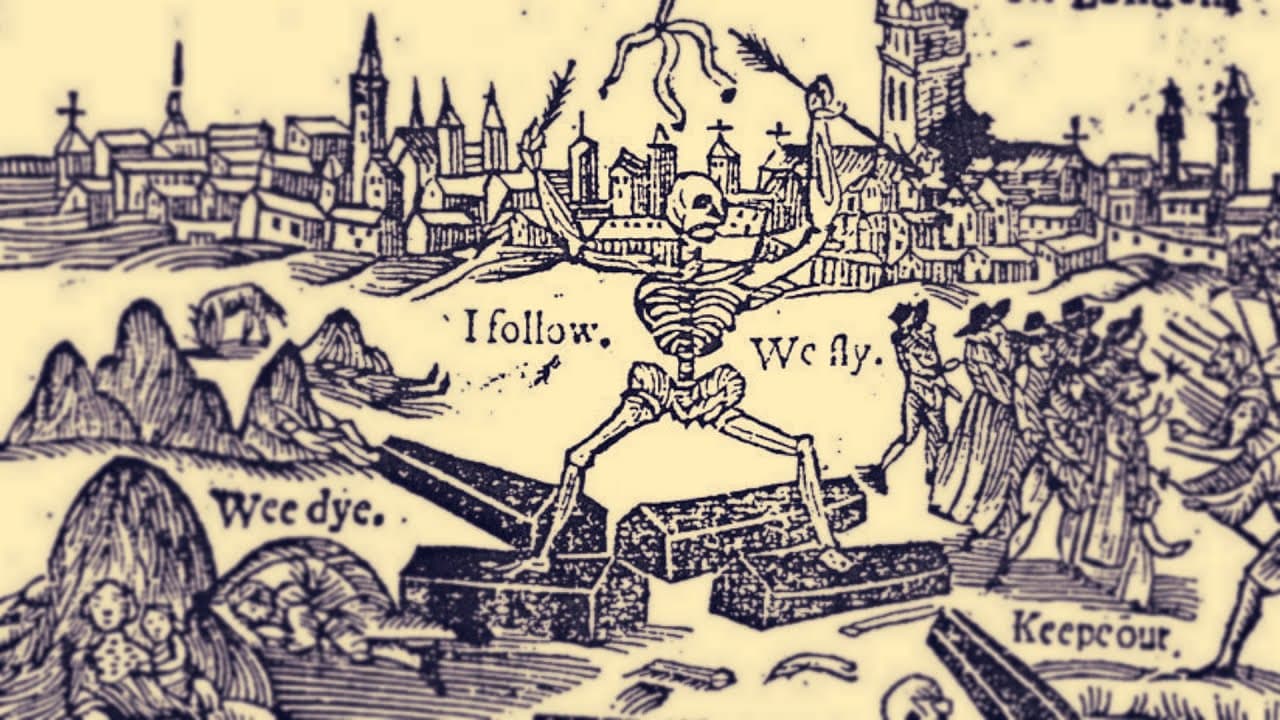
so as family said this is a year of many anniversaries including Waterloo and Asian core and Magna Carta and I think people are almost tired out of anniversaries but the one that hasn't had a huge amount of attention so far is the 350th anniversary of the last great plague to hit London and I think this makes it a worthwhile moment to reflect on it... Read More
Key Insights
- 🧑🔬 The identification and understanding of the plague epidemics in the 16th and 17th centuries have been subject to changing interpretations and debates among historians and scientists.
- 💁 Londoners in the 16th and 17th centuries had access to regular and official information about the plague through weekly handbills.
- 😷 Multiple schools of thought existed regarding the nature and treatment of the plague, with conflicting medical theories and remedies.
- 😷 Londoners responded to the plague through a combination of religious and medical measures, including the implementation of plague orders and religious ceremonies.
Install to Summarize YouTube Videos and Get Transcripts
Explore YouTube Video Summarizer or Get YouTube Transcript Extractor
Questions & Answers
Q: How has the understanding and diagnosis of the plague changed in the last 30 years?
Historians' attitudes and approaches have shifted towards focusing more on the impact and human experience of the plague. The epidemiological consensus of the past century has dissolved, leading to diverse scenarios and arguments regarding the nature of the disease.
Q: How did Londoners in the 16th and 17th centuries stay informed about the plague?
Londoners had access to weekly handbills, known as the Bills of Mortality, which provided information about deaths and causes of death. They were readily available and widely read, serving as a topic of conversation and correspondence.
Q: Did early modern Londoners understand the plague in medical terms?
There were multiple schools of thought regarding the nature of the plague, with traditional Galenic humoral perspectives conflicting with newer chemical or Helmontian approaches. Londoners had access to a range of publications offering different medical theories and remedies.
Q: What was the reaction of Londoners to the plague epidemic of 1665?
Londoners responded to the plague through a combination of religious and medical measures. The city implemented plague orders, enforced by officials, which included quarantining the infected, regulating burials, cleanliness, and suppressing activities that could spread the disease. Religious responses included prayers, sermons, and fasts.
Summary & Key Takeaways
-
The speaker reflects on the 350th anniversary of the last great plague to hit London and examines whether we understand the plague epidemics of the 16th and 17th centuries any better than those who experienced them firsthand.
-
Modern understandings and diagnosis of the plague have changed, leading to a variety of possible scenarios and arguments among historians and scientists.
-
Londoners in the 16th and 17th centuries were well-informed about the appearance and progress of the disease through weekly reports, handbills, and official information.
Read in Other Languages (beta)
Share This Summary 📚
Summarize YouTube Videos and Get Video Transcripts with 1-Click
Try YouTube Summary with ChatGPT & Claude or YouTube Transcript Generator
Explore More Summaries from Gresham College 📚

Summarize YouTube Videos and Get Video Transcripts with 1-Click
Try YouTube Summary with ChatGPT & Claude or YouTube Transcript Generator