Shrew vs. Snake | National Geographic
TL;DR
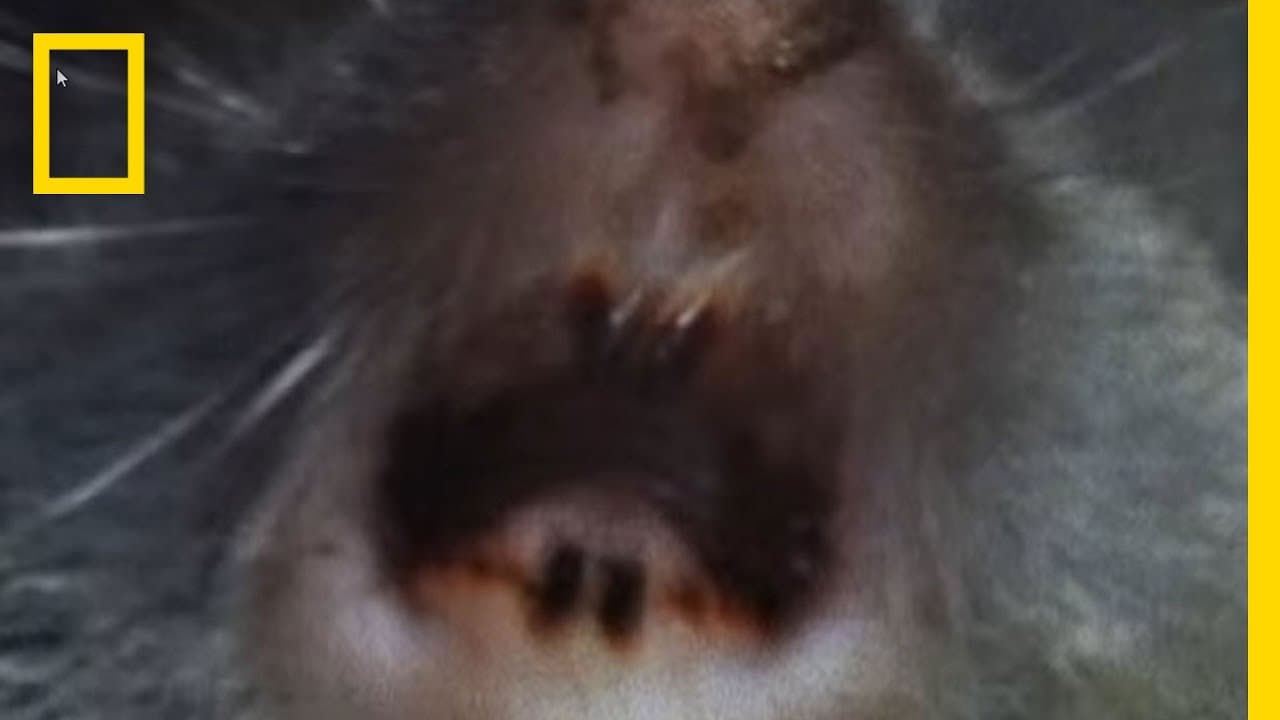
Short-tailed shrews battle fiercely for territory with venomous bites, while garter snakes lurk as predators in a backyard garden.
Transcript
meet the hyperactive short tail shrew under stress the shrews heartbeats at, 1300 times per minute and the Shrew Burns so much energy if it misses one meal it can die so it's under stress most of the time the shrews life is simple in this Virginia Garden hunt for food for an hour sleep for an hour glands on the Shrew stomach give off a Musky smell ... Read More
Key Insights
- 😋 Short-tailed shrews exhibit hyperactive behavior, hunting for food tirelessly and engaging in battles with predators like garter snakes.
- 👻 The venomous bite of short-tailed shrews gives them a deadly advantage in confrontations, allowing them to overpower larger foes.
- 🍰 Intense territorial battles between short-tailed shrews can last for prolonged periods, with the risk of serious injury or death.
- 😀 Garter snakes are formidable predators in the garden, facing off against shrews in potentially lethal encounters.
- 🧑🚒 Despite their small size, short-tailed shrews display aggression and strategic combat skills in their fights for survival.
- 🍰 The unique behavior and characteristics of short-tailed shrews make them fascinating creatures to observe in their natural habitats.
- 🐍 The intricate interactions between short-tailed shrews and garter snakes demonstrate the complexity of predator-prey relationships in the ecosystem.
Install to Summarize YouTube Videos and Get Transcripts
Explore YouTube Video Summarizer or Get YouTube Transcript Extractor
Questions & Answers
Q: How do short-tailed shrews survive with such high metabolic rates and the constant need for food?
Short-tailed shrews have evolved to have incredibly high metabolic rates, burning energy quickly and often resorting to hunting and consuming prey to sustain themselves. Missing even one meal can be fatal to these hyperactive creatures.
Q: Why do short-tailed shrews have venomous bites, and what advantage does it give them in battles with predators?
Short-tailed shrews possess venomous saliva, making them one of the few North American mammals with poisonous bites. This venom allows them to overpower larger predators like garter snakes in battles for territory and dominance.
Q: How do short-tailed shrews engage in battles with each other, and what are the risks involved in these intense confrontations?
Short-tailed shrews engage in fierce battles with each other over territory, often resorting to using their venomous bites against their own kind. These battles can be lengthy, lasting over half an hour, with the risk of serious injury or even death.
Q: What role do garter snakes play in the ecosystem of the garden, and how do they interact with short-tailed shrews?
Garter snakes are skilled predators in the backyard garden, preying on creatures like short-tailed shrews. Despite lacking venom, garter snakes use their jaws and hunting instincts to capture shrews but must contend with their opponents' potent bites.
Summary & Key Takeaways
-
Short-tailed shrews, with 1300 heartbeats per minute, desperately hunt for food and battle predators like garter snakes in a Virginia garden.
-
Shrews use their venomous bites to overpower garter snakes, engaging in intense battles for territory and survival.
-
Despite their small size, shrews display aggressive behavior and deadly combat strategies in their fight for dominance in the garden.
Read in Other Languages (beta)
Share This Summary 📚
Summarize YouTube Videos and Get Video Transcripts with 1-Click
Try YouTube Summary with ChatGPT & Claude or YouTube Transcript Generator
Explore More Summaries from National Geographic 📚




Summarize YouTube Videos and Get Video Transcripts with 1-Click
Try YouTube Summary with ChatGPT & Claude or YouTube Transcript Generator