Fun with Visual Illusions - Professor William Ayliffe
TL;DR
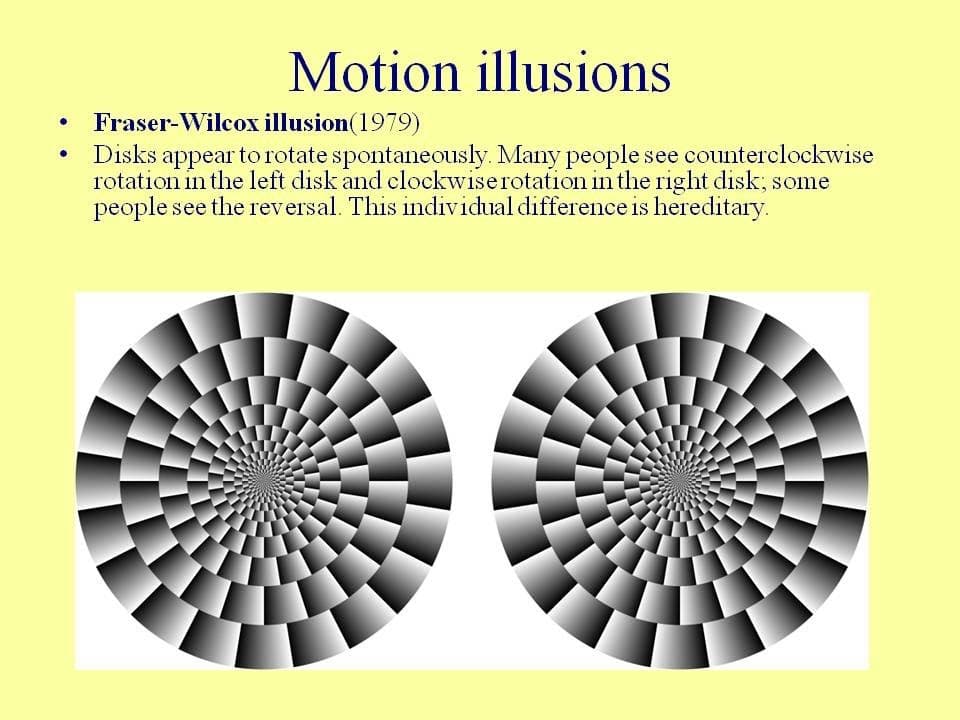
Explore the fascinating realm of visual illusions and how our brain interprets what we see, from distorted shapes to color perception.
Transcript
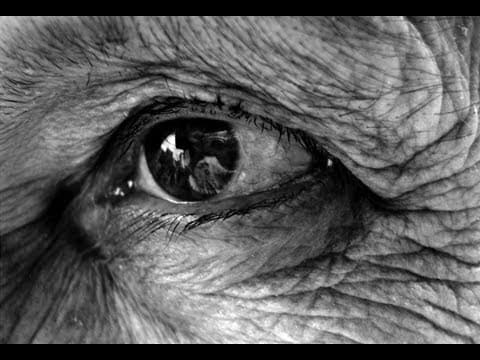
welcome ladies and gentlemen to the second series and beginning this with a tribute to Professor Richard Gregory who died earlier this summer who was a wonderful teacher both in his writings and in his lectures in his webcasts and a very generous and well loved gentleman whom we will miss very much indeed this is an image of his face it's the first... Read More
Key Insights
- 😒 Visual illusions challenge our understanding of what is real, highlighting the complex processes our brain uses to construct vision.
- 🧑🏭 Illusions can be influenced by factors such as culture, past experiences, and environmental cues.
- 🧠 Different types of illusions, including geometric, size, and color illusions, provide insights into specific processes and computations in the brain.
Install to Summarize YouTube Videos and Get Transcripts
Explore YouTube Video Summarizer or Get YouTube Transcript Extractor
Questions & Answers
Q: What is a visual illusion?
A visual illusion is an image or perception that differs from the actual object or reality, challenging our understanding of what we see. These illusions can range from distorted shapes to color and size discrepancies.
Q: What insights do visual illusions provide about our brain?
By studying visual illusions, we gain insights into the processes our brain uses to construct vision. Illusions reveal how our brain uses past experiences, computations, and sensory signals to interpret and predict the world around us.
Q: How do cultural factors influence visual illusions?
Culture can play a role in visual illusions, as certain illusions may be perceived differently across cultures. For example, perception of size and perspective can be influenced by cultural perspectives on depth and space.
Q: How do illusions impact art and design?
Illusions have been used in art and design to create intriguing visual effects and manipulate perception. Artists use illusions to challenge viewers and play with their interpretation of reality, creating unique and thought-provoking pieces.
Summary & Key Takeaways
-
Visual illusions mock our perception of reality, challenging what we see and how we interpret it.
-
Illusions provide insights into how our brain constructs vision and the computations it does to determine the world around us.
-
Different types of illusions, such as geometric, size, and color illusions, arise from complex processes and can be influenced by cultural and environmental factors.
Read in Other Languages (beta)
Share This Summary 📚
Summarize YouTube Videos and Get Video Transcripts with 1-Click
Try YouTube Summary with ChatGPT & Claude or YouTube Transcript Generator
Explore More Summaries from Gresham College 📚

Summarize YouTube Videos and Get Video Transcripts with 1-Click
Try YouTube Summary with ChatGPT & Claude or YouTube Transcript Generator