What Makes Sleep Paralysis So Terrifying?
TL;DR
Sleep paralysis, a common experience, is caused by disrupted sleep cycles and muscle control during REM sleep.
Transcript
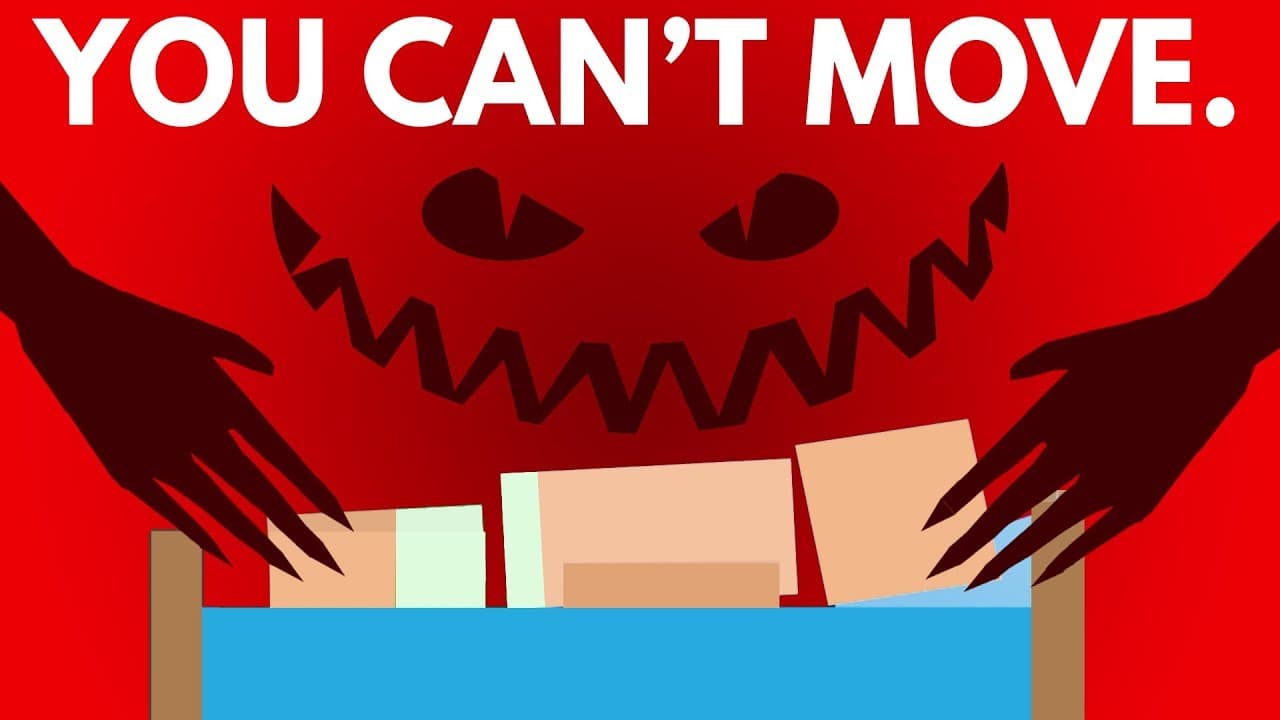
Hey There! Welcome To Life Noggin! Imagine waking up in the middle of the night, being fully conscious, then realizing you can’t move a muscle. Your chest tightens and it gets hard to breathe. You start hallucinating and a dark figure begins moving towards you. You try to scream for help, but you can’t. Are you dying? Are you dreaming? Then, all of... Read More
Key Insights
- 😪 Sleep paralysis is a common but non-dangerous condition affecting around 8% of the population.
- 😪 It is related to disruptions in the REM sleep cycle and neurotransmitter activity in the brain.
- 😪 Factors like sleep deprivation, stress, and certain medications can increase the likelihood of experiencing sleep paralysis.
- 😪 Hallucinations during sleep paralysis are a result of the brain being partially in a dream state.
- 😪 People with mental health conditions like PTSD and anxiety are at higher risk of experiencing sleep paralysis.
- 😪 20% of individuals find sleep paralysis pleasant, as it is not dangerous and usually resolves within minutes.
- 😪 Twin studies suggest a possible genetic link to sleep paralysis.
Install to Summarize YouTube Videos and Get Transcripts
Explore YouTube Video Summarizer or Get YouTube Transcript Extractor
Questions & Answers
Q: What causes sleep paralysis and why do people experience hallucinations during it?
Sleep paralysis is caused by disruptions in REM sleep cycles, where neurotransmitters turn off muscles, leading to temporary paralysis. Hallucinations occur due to the brain being partially in a dream state while awake.
Q: Are there specific risk factors for experiencing sleep paralysis?
Risk factors for sleep paralysis include sleep deprivation, certain medications, sleep disorders, stress, altered sleep patterns, and mental health conditions like PTSD, anxiety, and depression.
Q: How can one manage or prevent sleep paralysis episodes?
To manage sleep paralysis, doctors recommend regulating sleep schedules, avoiding alcohol and drugs before bed, changing sleep positions, and considering antidepressants in severe cases.
Q: Is there a genetic component to sleep paralysis?
Twin studies suggest a genetic link to sleep paralysis, but further research is needed to confirm.
Summary & Key Takeaways
-
Sleep paralysis is a phenomenon where one wakes up unable to move, often experiencing hallucinations due to disrupted REM sleep.
-
This condition, while terrifying, is not dangerous and has a scientific explanation related to neurotransmitters and brain activity.
-
Factors like sleep deprivation, stress, and certain medications can increase the likelihood of experiencing sleep paralysis.
Read in Other Languages (beta)
Share This Summary 📚
Summarize YouTube Videos and Get Video Transcripts with 1-Click
Try YouTube Summary with ChatGPT & Claude or YouTube Transcript Generator
Explore More Summaries from Life Noggin 📚





Summarize YouTube Videos and Get Video Transcripts with 1-Click
Try YouTube Summary with ChatGPT & Claude or YouTube Transcript Generator