Why Do Leaders Often Seem Worse Than Regular People?
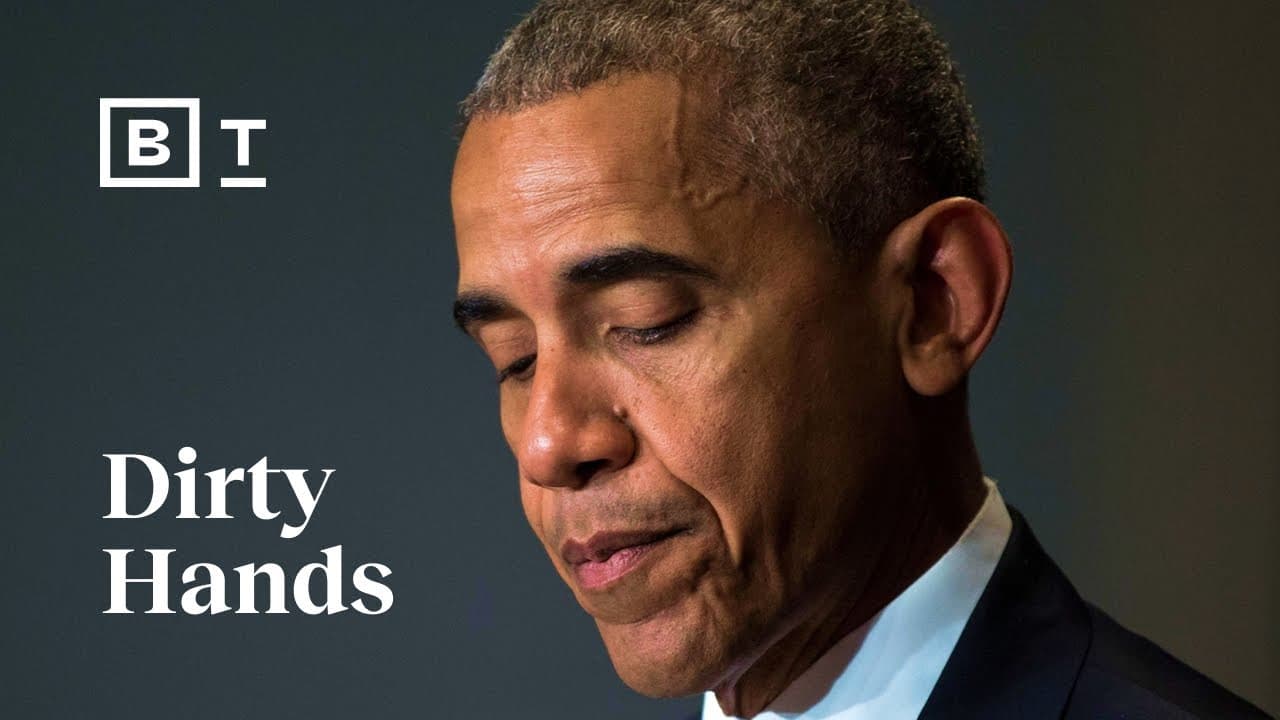
TL;DR
Leaders often appear worse than regular individuals due to four mitigating factors: they face tough 'dirty hands' decisions with no good options, gain experience that allows them to harm more efficiently, have more opportunities to inflict harm, and are subjected to greater scrutiny than those without power. Recognizing these factors is crucial for understanding their actions and holding them accountable.
Transcript
- If you've ever taken any sort of class in philosophy or read a basic philosophy book, you tend to encounter two thought experiments that try to test our moral intuitions- and they're called the "trolley problem" or perhaps also the "screaming baby problem." The trolley problem goes like this: You see a trolley or a train barreling down the tracks... Read More
Key Insights
- 😱 The trolley problem and screaming baby problem test moral intuitions on impossible choices.
- 🛟 Leaders like Winston Churchill face real-life ethical dilemmas where tough decisions are made to save more lives.
- ✊ Power can influence individuals, but mitigating factors like learning, opportunity, and scrutiny shape actions.
Install to Summarize YouTube Videos and Get Transcripts
Explore YouTube Video Summarizer or Get YouTube Transcript Extractor
Questions & Answers
Q: How do the trolley problem and screaming baby problem test our moral intuitions?
The trolley problem and screaming baby problem present ethical dilemmas where individuals must make difficult choices that challenge their moral beliefs and values.
Q: How did Winston Churchill face real-life trolley problems?
Winston Churchill faced ethical dilemmas during WWII, making tough decisions like not warning a ship about to be torpedoed to protect a greater number of lives by keeping the Nazi codes secret.
Q: What are the four mitigating factors that affect how power corrupts?
The problem of dirty hands, learning, opportunity, and scrutiny are four factors that influence how power can appear to corrupt individuals in leadership positions.
Q: Why is it important to understand the influence of power on leaders' actions?
Understanding how power can corrupt individuals in positions of leadership helps in making informed decisions about holding leaders accountable and improving systems to prevent misuse of power.
Summary & Key Takeaways
-
The trolley problem and screaming baby problem are moral dilemmas testing our intuitions about impossible choices.
-
Winston Churchill faced real-life trolley problems during WWII, making tough decisions to save more lives.
-
Power can corrupt leaders, but mitigating factors like dirty hands and scrutiny affect their actions.
Read in Other Languages (beta)
Share This Summary 📚
Summarize YouTube Videos and Get Video Transcripts with 1-Click
Try YouTube Summary with ChatGPT & Claude or YouTube Transcript Generator
Explore More Summaries from Big Think 📚




Summarize YouTube Videos and Get Video Transcripts with 1-Click
Try YouTube Summary with ChatGPT & Claude or YouTube Transcript Generator