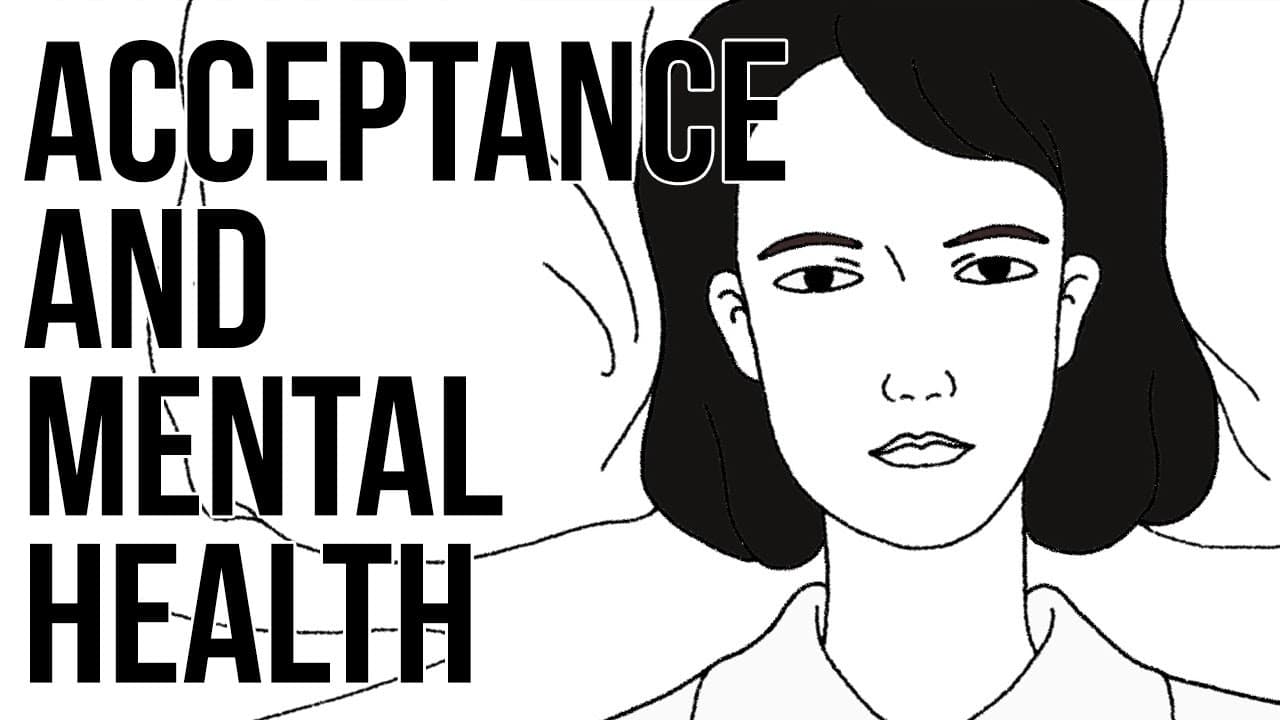
Acceptance and Mental Health
TL;DR
Accepting our mental struggles as normal can facilitate healing.
Transcript
one of the great contributing factors to mental illness is the idea that we should at all costs and at all times be well we suffer far more than we should because of how long it can take many of us until we allow ourselves to fall properly and usefully ill in a crisis our chances of getting better rely to a significant extent on having the right re... Read More
Key Insights
- 🥺 Many people suffer from mental illness due to the pressure of appearing well, leading to increased isolation and distress.
- 👻 Accepting our mental health struggles can significantly impact our ability to recover, allowing for vulnerabilities to be acknowledged and processed.
- 🧑⚕️ Philosophical perspectives that celebrate human flaws foster a health-oriented mindset, emphasizing the normalcy of experiencing difficulties.
- 🫵 Zen Buddhism promotes a view of life that embraces suffering and imperfections, supporting a holistic approach to mental health.
- 🥰 Viewing mental illness through a lens of creativity and art can help challenge societal stigmas and foster understanding.
- ❓ The importance of community and shared experiences is highlighted, as recognizing our collective struggles can alleviate feelings of isolation.
- 😨 Mental recovery is a journey marked by scars that should be valued and understood rather than hidden or dismissed.
Install to Summarize YouTube Videos and Get Transcripts
Explore YouTube Video Summarizer or Get YouTube Transcript Extractor
Questions & Answers
Q: Why is societal pressure to be well a problem for mental health?
Societal expectations to maintain a facade of normalcy create undue stress for individuals struggling with mental health issues. This pressure exacerbates feelings of inadequacy and shame, encouraging people to hide their suffering instead of seeking help. The result is a prolonged struggle with mental illness because individuals fear appearing flawed.
Q: How does the concept of kintsugi relate to mental health?
Kintsugi, the Japanese art of repairing broken pottery with gold, serves as a powerful metaphor for mental health. It teaches that our scars and imperfections are not marks of shame but rather stories of resilience and beauty. Embracing our brokenness can lead to greater self-acceptance and a deeper understanding of our healing journey.
Q: What role does accepting our flaws play in recovery from mental illness?
Accepting our flaws allows individuals to confront their mental health challenges without fear or shame. This acceptance creates a compassionate environment for healing, where one can recognize their struggles as part of the collective human experience. By acknowledging imperfections, we can seek help and attempt to recover more openly.
Q: How can the arts contribute to our understanding of mental illness?
The arts provide a medium through which individuals can express and process their mental states. By reflecting on the works of artists who have navigated mental illness, we can find comfort and connection in shared experiences. This understanding can reduce stigma and promote empathy towards those grappling with similar challenges.
Summary & Key Takeaways
-
The content emphasizes that societal pressure to be consistently well exacerbates mental suffering, suggesting that acceptance of one's illness is vital for recovery.
-
It advocates for a philosophical perspective that views human flaws as intrinsic, encouraging individuals to embrace their imperfections rather than striving for unattainable perfection.
-
Zen Buddhism's principles, particularly the concept of kintsugi, illustrate how acknowledging and celebrating our scars can foster self-acceptance and promote healing.
Read in Other Languages (beta)
Share This Summary 📚
Summarize YouTube Videos and Get Video Transcripts with 1-Click
Try YouTube Summary with ChatGPT & Claude or YouTube Transcript Generator