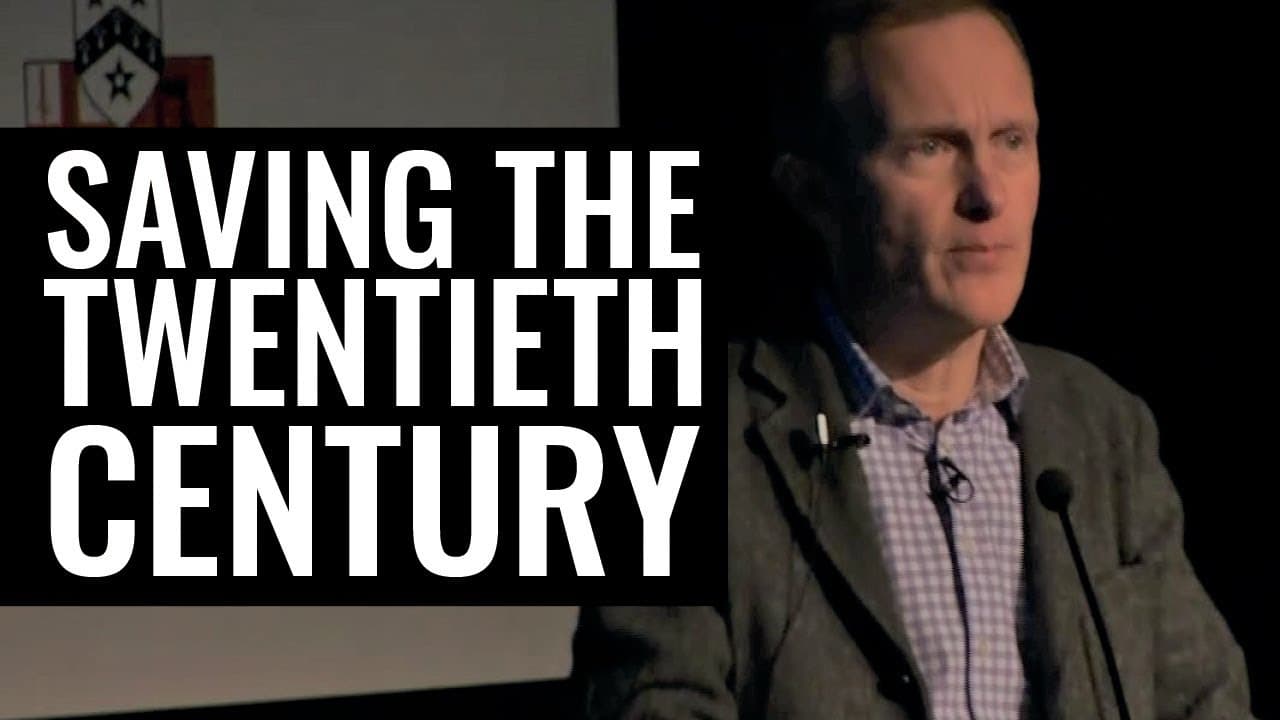
Saving the Twentieth Century - Professor Simon Thurley
TL;DR
Preserving 20th century architecture, particularly modernist and brutalist buildings, poses unique challenges due to their controversial design, lack of adaptability, and inherent flaws.
Transcript
well good evening ladies and gentlemen very nice to see you this is the first of my lectures this year and I decided to take a little bit of a break from my great historical sweeps that I've been doing for the last two or three years and actually as far as I'm concerned anyway look backwards a little bit over the last 13 years of my career when I w... Read More
Key Insights
- 🖤 Preserving 20th century architecture, especially modernist and brutalist buildings, is controversial due to their unconventional design and lack of popular support.
- 🦮 The values of a place, including its evidential, historical, aesthetic, and communal significance, should guide conservation efforts.
- 🏛️ Consideration of a building's performance and functionality is crucial in determining its preservation value.
Install to Summarize YouTube Videos and Get Transcripts
Explore YouTube Video Summarizer or Get YouTube Transcript Extractor
Questions & Answers
Q: Why is preserving 20th century architecture, especially modernist and brutalist buildings, so controversial?
Preserving 20th century architecture is controversial due to its unique design elements that have been widely disliked by the public. Modernist and brutalist buildings deviated from traditional architectural styles, resulting in a lack of popular support.
Q: How do the values of a place influence the conservation approach?
The speaker argues that considering the evidential, historical, aesthetic, and communal values of a place is essential to make informed decisions about preservation. These values help determine a place's significance to society and guide the conservation process.
Q: Why should the performance and functionality of a building be considered in conservation efforts?
Buildings that no longer perform well structurally or functionally are deemed to have lower significance and may not meet the criteria for preservation. Using these factors can prevent the listing of poor-quality buildings while still allowing for necessary adaptations and modifications.
Q: What are some challenges faced in preserving late 20th century architecture?
Late 20th century buildings, especially those designed for specific functions or temporary use, often have design flaws or lack adaptability. These challenges make it difficult to maintain their original state and require a reevaluation of traditional conservation approaches.
Summary & Key Takeaways
-
In his lecture, the speaker reflects on his 13-year tenure as the chief executive of English Heritage and the challenges faced in preserving historic buildings in England.
-
He highlights the contentious nature of preserving 20th century architectural styles, particularly modernist and brutalist buildings.
-
The speaker explores the reasons behind the public's dislike for modernist architecture and the difficulties in listing and conserving these structures.
-
He argues for the need to question traditional conservation approaches and develop a new philosophy that considers the values of a place, including its evidential, historical, aesthetic, and communal significance.
-
The speaker shares examples of buildings that were either demolished or adapted based on their performance, design flaws, and conservation value.
Read in Other Languages (beta)
Share This Summary 📚
Summarize YouTube Videos and Get Video Transcripts with 1-Click
Try YouTube Summary with ChatGPT & Claude or YouTube Transcript Generator
Explore More Summaries from Gresham College 📚


Summarize YouTube Videos and Get Video Transcripts with 1-Click
Try YouTube Summary with ChatGPT & Claude or YouTube Transcript Generator