The Himalayan Stand-Off
TL;DR
A deep dive into the geopolitical dynamics amid the Himalayan standoff, highlighting economic and territorial clashes.
Transcript
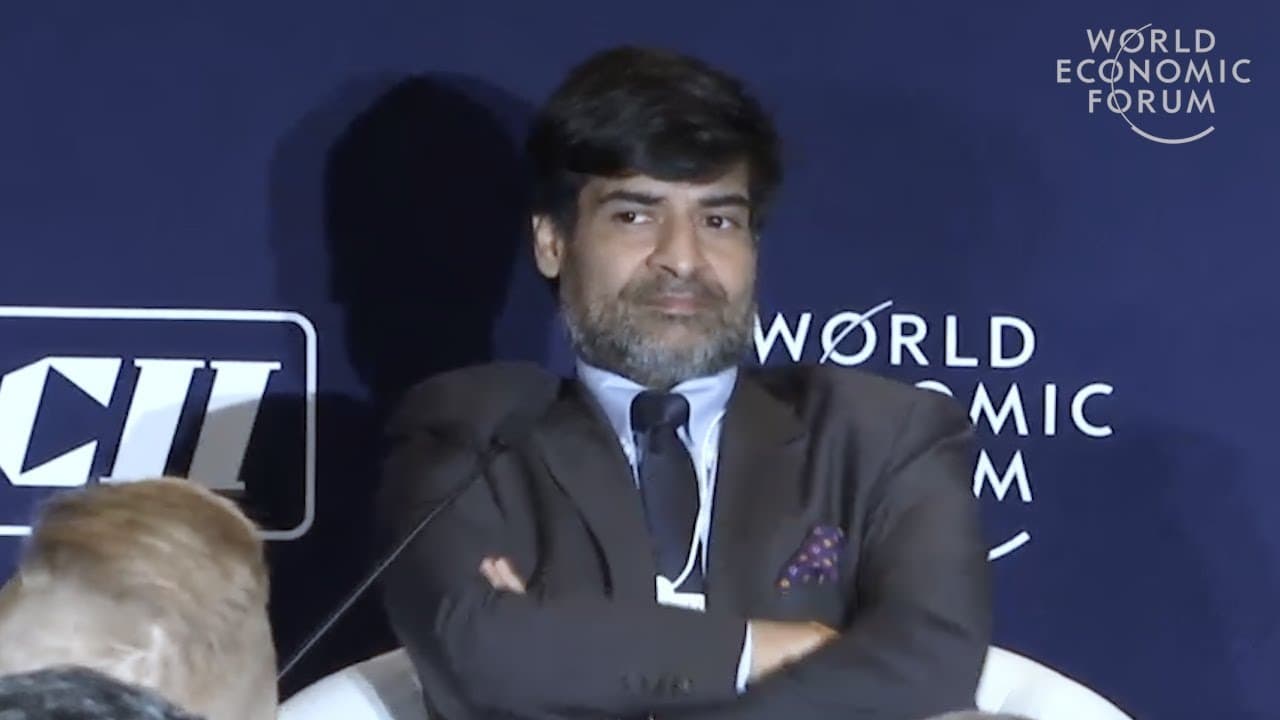
okay well everyone thank you for coming I'm Daniel Moss global economics writer for Bloomberg View the commentary and opinion pages of Bloomberg News we're talking about the Himalayan standoff now shortly before we started in our conversation I was asked not to call it a disengagement but to call it a diffusion you know that's just a promise of the... Read More
Key Insights
- 🇨🇳 The Himalayan standoff is a confluence of territorial, economic, and geopolitical strains between India and China.
- 🚱 The shift from non-alignment to strategic alliances reflects India's quest for regional influence and economic growth.
- 🇮🇳 India's response to the Tibet issue and its handling of the Dalai Lama's legacy impacts its strategic positioning in the Himalayan region.
- 🧑🏭 The Himalayan standoff acts as a litmus test for India's resilience, diplomacy, and capacity to navigate complex geopolitical landscapes.
- ⚖️ Balancing deterrence, negotiation, and economic growth is crucial for India’s approach towards resolving the Himalayan standoff.
- ✊ Historical precedents, like the Japan-China dynamics, provide insights into managing conflicting interests and power struggles.
- 🎖️ The significance of economic strength, military deterrence, and diplomatic finesse in shaping the Himalayan standoff's resolution.
Install to Summarize YouTube Videos and Get Transcripts
Explore YouTube Video Summarizer or Get YouTube Transcript Extractor
Questions & Answers
Q: What are the factors contributing to the ongoing Himalayan standoff between India and China?
The standoff stems from unresolved territorial disputes, economic competition, and differing perceptions of the border length, escalating tensions.
Q: How do historical tectonic shifts shape the current dynamics in the Himalayan region?
Historical power transitions, rising Chinese influence, and shifting economic paradigms drive the complexities of the modern Himalayan standoff.
Q: How has India’s evolving foreign policy approach impacted its engagement with China and other regional players?
India’s foreign policy underlines strategic partnerships, economic axes, and balancing regional dynamics amidst the Himalayan standoff's challenges.
Q: What role does domestic politics play in influencing India’s stance on the Himalayan standoff with China?
Domestic political factors influence India’s strategic decisions, partnerships, and regional engagements amid escalating tensions with China.
Summary & Key Takeaways
-
The Himalayan standoff encompasses both territorial disputes and economic challenges between India and China.
-
The inability to construct a mutual relationship and discrepancies on border length accentuate the disputes.
-
The standoff reflects broader shifts in Asia, including unseen invasions and strategic naval frontiers.
Read in Other Languages (beta)
Share This Summary 📚
Summarize YouTube Videos and Get Video Transcripts with 1-Click
Try YouTube Summary with ChatGPT & Claude or YouTube Transcript Generator
Explore More Summaries from World Economic Forum 📚

Summarize YouTube Videos and Get Video Transcripts with 1-Click
Try YouTube Summary with ChatGPT & Claude or YouTube Transcript Generator